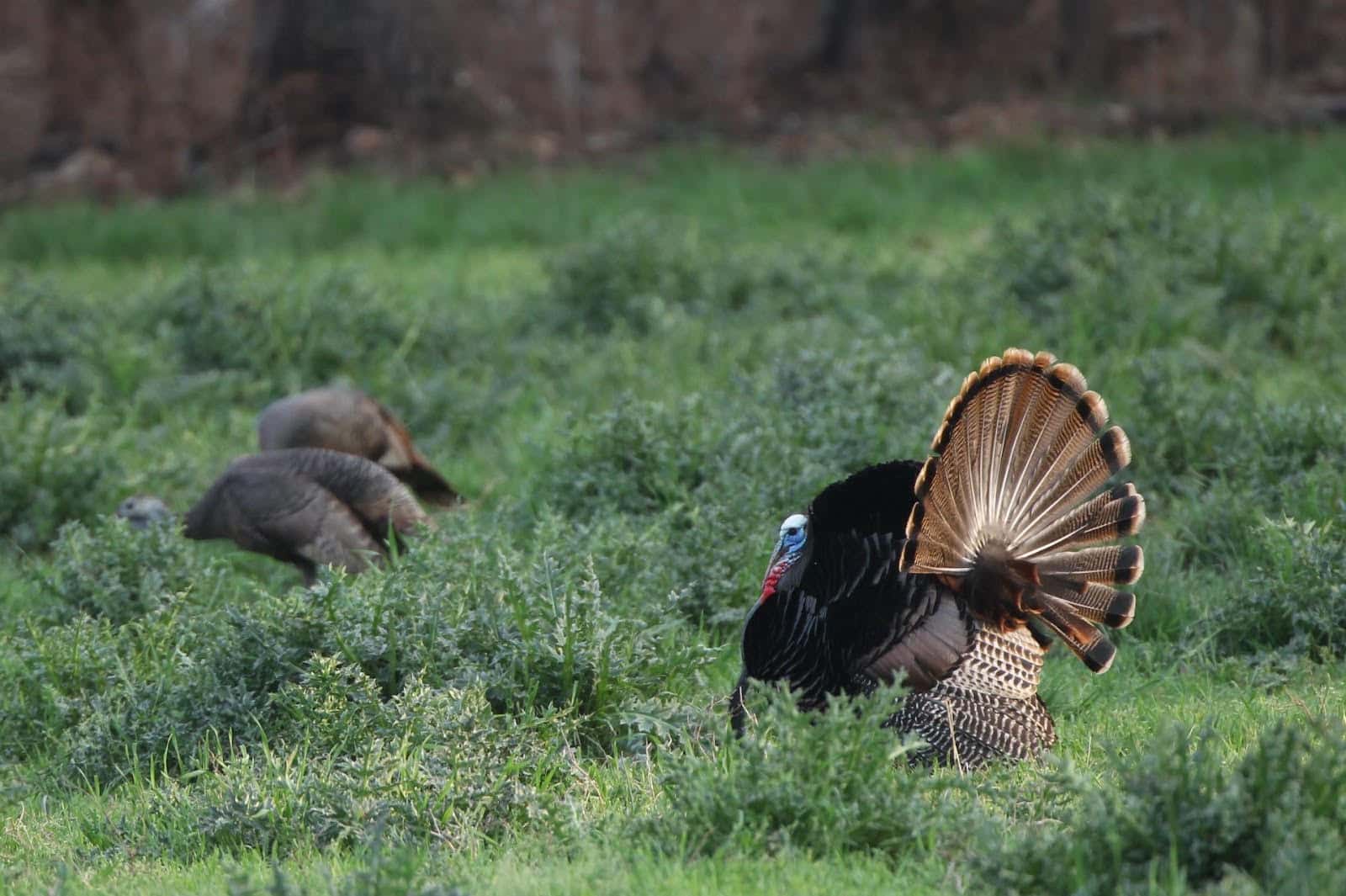
Hunters in Arkansas may soon find themselves in the woods a week earlier, as the Arkansas Game and Fish Commission (AGFC) has officially proposed a shift in the state’s turkey hunting season. The proposal, which would take effect in 2027, suggests moving the start dates forward across most of the state’s hunting zones. The commission took the first reading of the proposal last Thursday during the Generation Conservation Summit in Hot Springs, according to reporting from myarklamiss.com.
Proposed Shifts for the 2027 Season
The adjustment is designed to provide hunters with more time to pursue gobbling turkeys during the spring. Under the proposed schedule, the 2027 turkey season would run from April 12 through May 2 in Zone 1, while hunters in Zones 2 and 3 would see a season running from April 5 through April 25. Additionally, the youth turkey hunt is slated for April 3-4.
Former commissioners Jim Hinkle and Ken Reeves, who presented the proposal to the board, emphasized that the change is intended to be a modest one. Addressing concerns about potential impacts on bird populations, Hinkle noted the commission’s commitment to prioritizing the health of the species above all else. I think this is a minimal change that we are asking for,
Hinkle said. And certainly, if you came to us a year from now and said, ‘This didn’t work; it hurt our population; Ken and I are going to be for going back. We’re for the birds.
Reeves echoed this sentiment, pointing to the unique appeal of the sport. The thrill of turkey hunting is getting to call at a gobbling turkey; there’s nothing like it,
Reeves remarked. When you hit that call and one gobbles right on top of it, that’s what we live for.
Habitat Challenges and Conservation Efforts
While the turkey season proposal took center stage for hunting enthusiasts, the meeting also served as a venue for a broader discussion on the state’s ecological health. Clint Johnson, the AGFC Quail Program coordinator, delivered a presentation on the status of the northern bobwhite in Arkansas. Johnson stressed that the decline of these birds is tied directly to the loss of native grasslands—roughly 99 percent of which have disappeared from the state.
Johnson explained that the northern bobwhite is a brush obligate grassland bird,
requiring a specific trifecta of conditions: grass, weeds, and brush. He noted that while many properties might feature one or two of these elements, finding all three in the necessary abundance is rare. The AGFC is currently working on both public and private lands, utilizing herbicides, prescribed fire, and forest thinning to restore the patchy, old field and prairie habitats that have been lost to forest encroachment over the last 20 years. Further details on these restoration efforts can be viewed in the official AGFC presentation.
Additional Commission Business
Beyond the discussion of hunting seasons and habitat management, the Commission took action on several administrative and infrastructure items. Members approved a $3.5 million budget increase to accelerate the renovation of the Charlie “C.B.” Craig State Fish Hatchery in Centerton. Agency officials noted that the project is currently ahead of schedule, aided by dry weather and the performance of the contractor, and the additional funding will allow work to continue throughout the remainder of the fiscal year.

The commission also authorized a 0.5-acre utility easement for the Yell County Water Association to install underground transmission pipes through a portion of the Petit Jean River Wildlife Management Area. In a matter concerning internal operations, the commission approved a minute order providing for the legal defense and outside counsel for AGFC staff in a federal lawsuit initiated by two former agency employees.
As the turkey season proposal moves forward, the AGFC has opened a 30-day public comment period. The commission plans to accept feedback via an online survey before making a final decision on the regulation change.

North Kansas City vs. Rockhurst Live: High School Football Updates & Highlights
Rockhurst and North Kansas City Face Off in High-Stakes Friday Night Matchup The Rockhurst varsity football team travels...

No. 1 Maryland Defeats No. 10 Iowa 4-1 in Big Ten Tournament Semifinals
The No. 1 Maryland field hockey team defeated No. 10 Iowa 4-1 in the Big Ten Tournament semifinals...

Art Institute of Chicago Launches First Children’s Alphabet Book in Decades
The Art Institute of Chicago releases its first children's book in two decades “We wanted to include icons...

Uncounted Seminole County Ballots Flip Georgia House District Race
A Memory Card Discovery Shifts the Balance in Georgia House District 154 The math behind the error is...