Artificial intelligence tracks retail theft in Chicago-area stores as automated push alerts change loss prevention
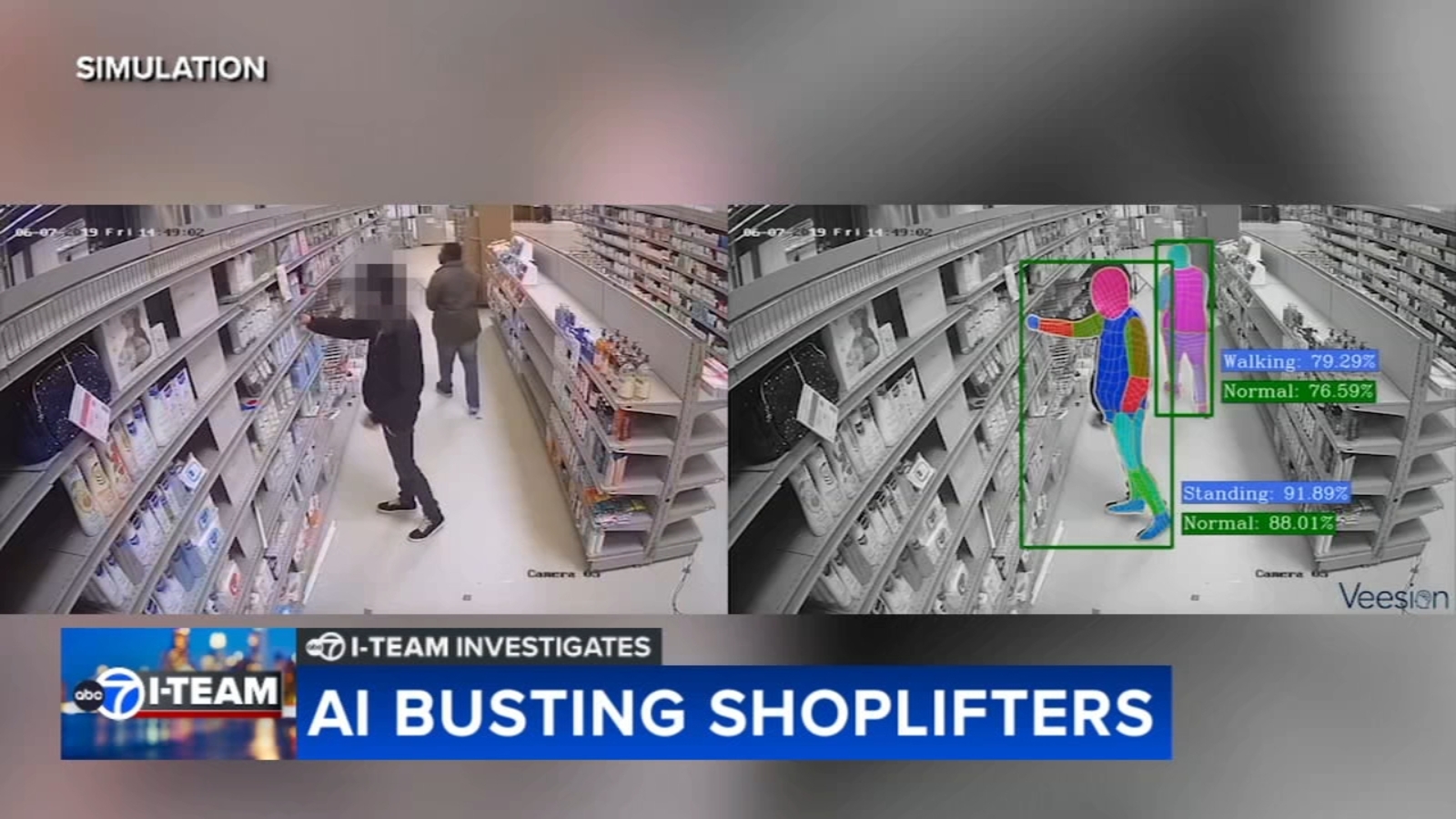
Artificial intelligence software is actively monitoring shoppers across approximately two dozen stores in the Chicago area to identify suspected shoplifting in real time, according to abc7chicago.com. The technology, developed by a company called Veesion, integrates directly into existing security camera setups to analyze customer behavior continuously and dispatch push notifications to store employees when suspicious actions occur.
Traditional surveillance systems have historically functioned in a passive capacity. Retailers typically reviewed footage after an incident occurred or relied on staff to watch monitors continuously.
“Up until now, retailors have leveraged camera systems in more of a passive manor. Identifying shoplifting if and when it’s happening, and then trying to control the problem, right,” said Hiren Mowji of Veesion. “With AI you have basically an algorithm that’s watching 24/7, right. It’s more consistent, it’s more efficient, it doesn’t get tired for example, and it’s able to alert you if and when there is suspicious activity.”
How real-time AI security works on the sales floor
At International Fresh Market in Naperville, store manager Daniel Valle demonstrated the system’s mechanics by reviewing recorded footage. When the software detects specific physical movements associated with concealment, a highlighted boundary appears around the individual on the screen, triggering an immediate notification.
When asked how fast the notification arrives after a red box appears around a shopper, Valle responded, “Right away. Right away, yes in seconds.”
Store personnel then utilize standard internal protocols to track the individual and intervene after merchandise leaves the premises. Valle stated that the Naperville location now intercepts roughly two suspected shoplifters daily, a notable increase from the few suspects caught weekly when employees relied solely on manual video reviews. Visible signage notifying customers of the active AI monitoring also appears to act as a deterrent.
Consumer reactions balance retail savings against surveillance concerns
Shoppers express mixed opinions regarding the expansion of automated theft detection. Some welcome the potential economic relief.
“Prices will go down because the store owners and manufacturers are not going to lose any money to be passed along to shoppers,” said Barbara Stewart.
Conversely, privacy advocates and local shoppers raise concerns regarding the retention and oversight of recorded visual data. Franki Flameno voiced apprehension about long-term data storage, noting that it is a slippery slope because footage cannot be deleted forever and could potentially surveil regular shoppers.
In response to privacy concerns, Veesion maintains that the software does not utilize facial recognition or biometric data collection. The company also states that the technology does not target individuals based on race or gender.
Additional questions center on demographic equity and employment impacts. Laurence Merritt expressed support for crime prevention while acknowledging potential risks.

“If its stopping people from committing crimes I have no problem with that,” Merritt said, before adding, “JK you do wonder if the AI can be used to target someone if they are black? Absolutely not saying that wit will be, but it could. I don’t want it to be used to discriminate against people of color.”
Employment effects and deployment scale
Regarding concerns that automated algorithms might displace security personnel, Mowji countered that the technology addresses existing labor shortages rather than replacing human workers.
“You know, I believe it’s a misconception, just like every other revolution we have had in history it has always created more jobs,” Mowji said. When pressed on camera-monitoring roles, he added, “You could think that but in reality, most retailers are short staffed these days.”
Veesion reports that its theft-detection software is currently active in 7,000 locations worldwide, operating alongside competing tools offered by other tech providers in the retail sector. Valle noted that the software carries a reasonable cost structure, stating that it effectively funds itself through recovered inventory losses.

Trump cancels Iowa, Kansas midterm events, opts for ‘tele-rallies’ – Al Jazeera
With just days left until the November 3 midterm elections, President Donald Trump has scrapped his physical campaign...

A Busy Halloween Weekend in Leelanau County | The Ticker
Leelanau County Prepares for a Rare Weekend Halloween Lineup When Halloween lands squarely on a Friday and Saturday,...

Zac Brown Band, Lady A To Headline New Moon Crush Weekend In Orlando
Zac Brown Band and Lady A to Headline Inaugural Moon Crush Sunshine Live in Orlando When the Moon...

Indianapolis Colts Injury Report: Week 8 Thursday – Stampede Blue
Colts Week 8 Injury Report: Roster Shuffles and Practice Statuses Ahead of Jacksonville As the Indianapolis Colts prepare...