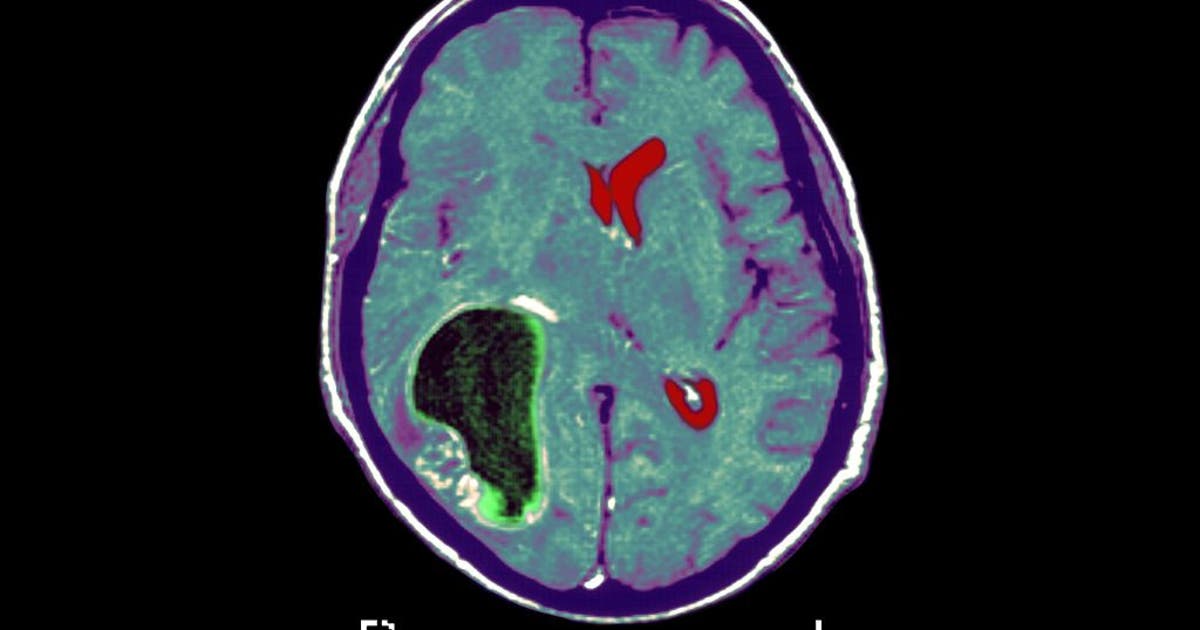
Scientists have discovered a surprising pattern in glioblastoma, one of the most aggressive forms of brain cancer, that could reshape how researchers approach treatment. The finding suggests the cancer may not be the chaotic mass long believed, but instead follows a more organized, three-stage growth pattern that could be its undoing. LiveNOW from FOX reported that the international research team, using artificial intelligence and advanced cellular analysis on samples from 12 patients at Cambridge University Hospitals, uncovered this biological roadmap.
A New Map for a Territory of Chaos
For decades, glioblastoma has been notoriously difficult to treat. Its tumors are a jumble of different cell types, each with its own set of tricks to evade surgery, chemotherapy, and radiation.
The study found that glioblastoma cells progress through distinct phases. In the first stage, some cells mimic brain stem cells, gathering at the tumor’s outer edge where they can produce other cancer cells. As the tumor grows, these cells shift, acting like those that repair an injury, allowing the tumor to expand and create a new layer of cells. In the final stage, the core of the tumor becomes starved of oxygen, forcing cells into a resilient survival mode that makes them highly resistant to treatment.
“For too long, we’ve approached glioblastoma treatment knowing that each patient’s tumour contains a complex mixture of cancer cells, but without a clear understanding of how best to target them all,” said Dr. Richard Mair, a brain surgeon and researcher at the Cancer Research UK Cambridge Institute. “This research gives us an opportunity to think differently. If we can anticipate the different biological states a tumour is likely to adopt, we can begin to develop treatments that target multiple aspects of the disease from the very beginning.”

The Genetic Signals and a Tactic for Treatment
Perhaps the most encouraging part of the discovery is that the researchers also identified the genetic signals that appear to drive the cancer from one stage to the next. Another potential strategy could focus on the resilient cells at the tumor’s periphery, which are often left behind after surgery and are responsible for the cancer’s inevitable return.
Dr. Omer Bayraktar, co-senior author of the study at the Wellcome Sanger Institute, said that glioblastoma has evaded understanding for years, despite being one of the most studied types of cancer tumour. The team has made its findings available through the GBM-Space atlas, a free online tool that allows scientists around the world to study glioblastoma.
The research didn’t stop at human samples. To validate their findings, the team also used lab-grown mini-brains, known as brain organoids, to watch the cancer’s progression in a controlled environment. This multi-layered approach, combining AI, patient data, and lab models, provides a strong foundation for future studies. But it’s important to remember, this is still early research. The path from a lab discovery to a new, effective treatment for patients is a long one, filled with years of further testing and clinical trials.
A Parallel Strategy to Weaken the Cancer’s Defenses
This discovery comes as other researchers are attacking glioblastoma from a different angle. A separate study, highlighted by ScienceDaily, from The Ohio State University Comprehensive Cancer Center, has identified a protein called SET as a potential weak spot. Rather than creating a new treatment from scratch, this strategy aims to make current therapies—specifically radiation and chemotherapy—work better.
The OSUCCC-James team found that glioblastoma cells interfere with a natural tumor-suppressing enzyme called PP2A using several proteins, including SET. By blocking these proteins in laboratory and animal models, the cancer cells became less able to survive and more vulnerable to radiation. “Glioblastoma is hard to treat because it can adapt and survive,” said Arnab Chakravarti, MD, chair of radiation oncology at the OSUCCC-James. “Our findings suggest that restoring PP2A activity may make glioblastoma cells less able to survive treatment. That gives us a clear path to test whether this approach can make radiation and chemotherapy more effective for patients with GBM.”
While promising, this research is also in its preliminary stages. The team is now investigating whether targeting SET or related proteins can be done safely in humans. They’ve even examined an FDA-approved antipsychotic drug that can increase PP2A activity, though it is far from ready to be used as a glioblastoma treatment outside of a clinical trial.
Who Bears the Brunt of This News?
Of course, the scientific method demands a healthy dose of skepticism.

Enfortumab Vedotin Plus Pembrolizumab Achieves High pCR Rates in MIBC
Enfortumab vedotin plus pembrolizumab has doubled the pathologic complete response rate in muscle-invasive bladder cancer (MIBC), reshaping bladder...

DRDO Successfully Flight-Tests Indigenous Pralay Quasi-Ballistic Missile Off Odisha Coast
DRDO successfully conducted the flight test of the indigenously developed Pralay Missile off the coast of Odisha today...

Fourth Suspect Named in Alleged Illegal Wiretapping of President Prabowo
Indonesian Police Name Fourth Suspect in Alleged Presidential Wiretapping Scheme On Tuesday, the National Police's Criminal Investigation Department...

Ohio State Researchers Achieve About 73% Accuracy With Scentronic AI E-Nose
Researchers at The Ohio State University have developed an AI-powered electronic nose and wearable scent delivery system that...