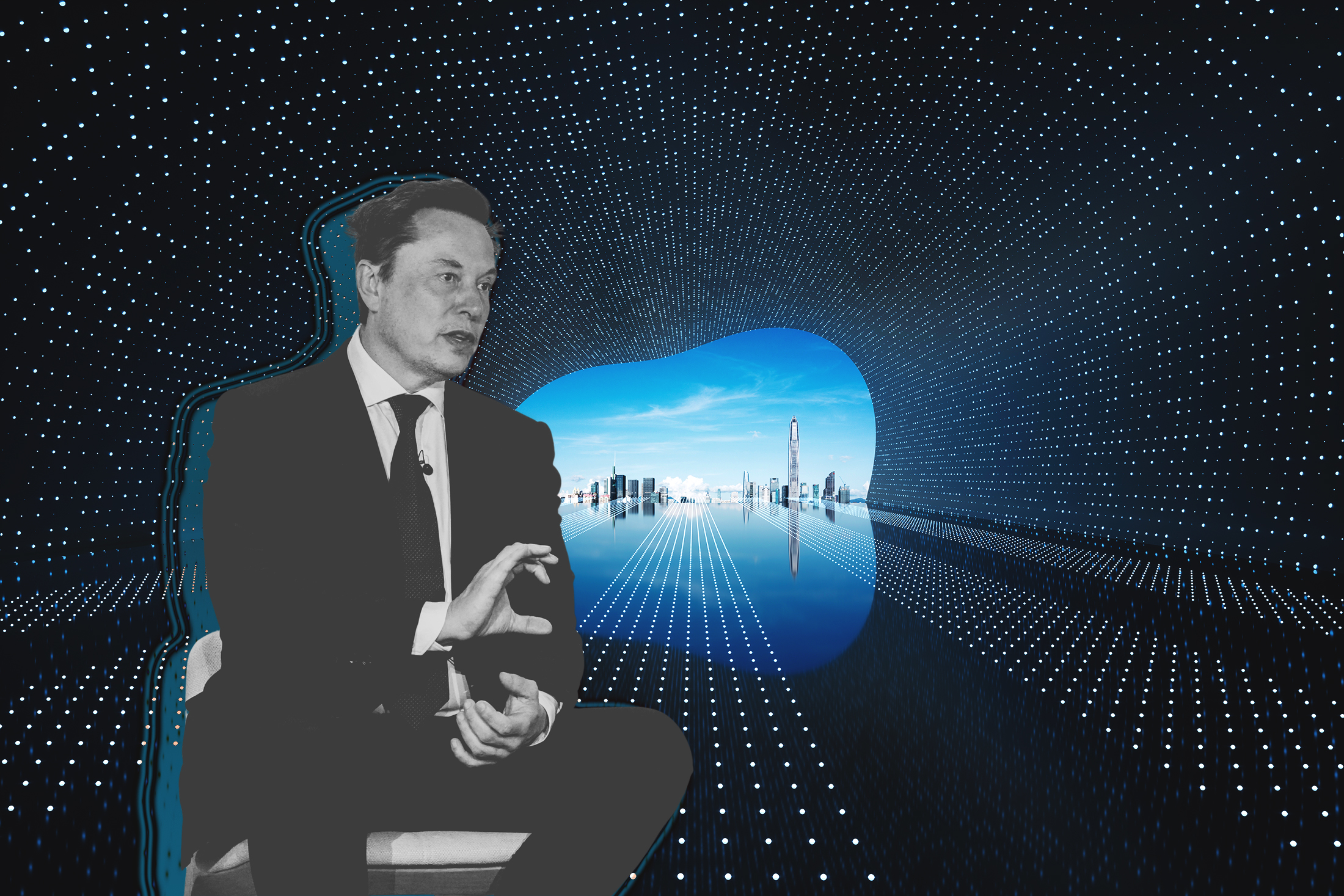
AI tools are handing powerful capabilities to individuals, shifting the competitive edge toward imagination rather than technical execution, according to an opinion column published by Entrepreneur.
The piece argues that as engineering becomes cheaper and more accessible, the advantage belongs to those who can envision what is worth building next — a skill set found in filmmakers, architects and musicians as much as programmers.
Elon Musk’s ventures are turning mid‑century screen visions into hardware. The column traces a line from The Jetsons in the 1960s to Tesla’s Optimus humanoid robot unveiled two decades after the 2004 film I, Robot depicted similar machines. Director Alex Proyas joked, “Can I have my designs back, please?” when Optimus appeared, Entrepreneur reported.
Star Trek similarly anticipated mobile‑phone‑like communicators, voice‑operated computers and medical scanners long before they reached consumers. These were creative provocations, not engineering specifications, the column notes.
The World Economic Forum’s Future of Jobs Report 2025 lists creative thinking among the most critical skills for the workforce ahead. The column warns that education systems still train students for existing career paths while the public conversation fixates on what AI might eliminate rather than what it could enable.
“A fool with a tool is still a fool,” the piece observes, arguing that widespread access to AI and, eventually, quantum computing makes directional vision the scarce resource. The next generation of world‑changing entrepreneurs may emerge from storytelling, design or architecture — fields that imagine experiences no one has yet thought to request.
The author frames creativity as a fundamental expression of humanity, suggesting that if people are made in the image of a Creator, the capacity to create is among the greatest gifts.
Source 2 reports that education systems continue training students for existing career paths while public discussion around artificial intelligence fixates on potential job losses. The Entrepreneur column argues this focus overlooks what the technology could enable for individuals and new industries.
The piece contends that mastering an established discipline differs fundamentally from imagining an entirely new one, suggesting the next breakthroughs may come from storytellers, designers or architects rather than traditional technical specialists.
“We weren’t simply created to consume what previous generations made.”
The piece argues that while machines can analyze millions of films and generate technically impressive productions, the human experience that gives a story meaning comes from living, loving, losing, believing and questioning the world.
The Entrepreneur column draws a direct line from director Alex Proyas’s 2004 film I, Robot, which depicted humanoid robots integrated into daily life, to Tesla’s Optimus humanoid unveiled two decades later, noting Proyas joked, “Can I have my designs back, please?” when Optimus appeared.
The piece frames this as evidence that creative provocations from cinema become engineering targets, with Proyas’s vision of near-future robotics preceding and arguably shaping the public imagination that guides real-world development.
Current discourse dwells on disappearing jobs and collapsing industries. The column acknowledges safety concerns but insists fear cannot drive progress. The next breakthroughs — medical, transport, or platform‑scale — may be imagined by a filmmaker, an architect or someone who has never studied computer science, with engineers and entrepreneurs assembling the talent to realize those visions.
Related reading

Trump to Speak at TSMC Arizona Groundbreaking Dec. 4
President Donald Trump will travel to Arizona on Dec. 4, slated to deliver remarks at the groundbreaking ceremony...

Nebraska Sweeps Wisconsin to Win Inaugural Big Ten Volleyball Tournament
Nebraska swept Wisconsin 25-21, 25-10, 25-21 on Wednesday to win the inaugural Big Ten Volleyball Tournament at the...

Columbia Beats Saint Peter’s 65-44 for Sixth Straight Win
On Wednesday afternoon, Columbia men's basketball captured its sixth straight win, beating Saint Peter's 65-44 at Schiller Court...
Hartford Core Bond ETF (HCRB) Files Prospectus: 0.29% Fee, Wellington-Managed, Cboe BZX Listing
Hartford Funds has filed a summary prospectus for the Hartford Core Bond ETF, which will trade under the...