
Kansas City is officially earning a new reputation that stretches well beyond its storied barbecue pits.
On Wednesday, Eater included Akoya Omakase, an intimate dining room tucked inside the Hotel Phillips, on its prestigious list of the 15 best new restaurants in the United States for 2026.
The recognition changes the identity of a city long defined by its smoked meat legacy, showing an appetite for high-end, specialized culinary experiences. Chef Peter Hoang, who returned to his hometown last year to launch the project, has turned the restaurant into a destination by focusing on a level of precision rarely seen in the Midwest.
Maintaining a world-class sushi bar in the middle of the country presents logistical hurdles that often deter even the most ambitious restaurateurs. According to reporting from KCTV 5, Hoang bypasses standard distribution channels to ensure the quality of his inventory. He is known to personally drive to the airport to collect fresh fish shipments arriving directly from Japan.
This hands-on approach is the cornerstone of the restaurant’s operations. By controlling the supply chain from the tarmac to the kitchen, Hoang maintains the integrity of his ingredients, a necessity for the $165 omakase menu that defines the Akoya experience.
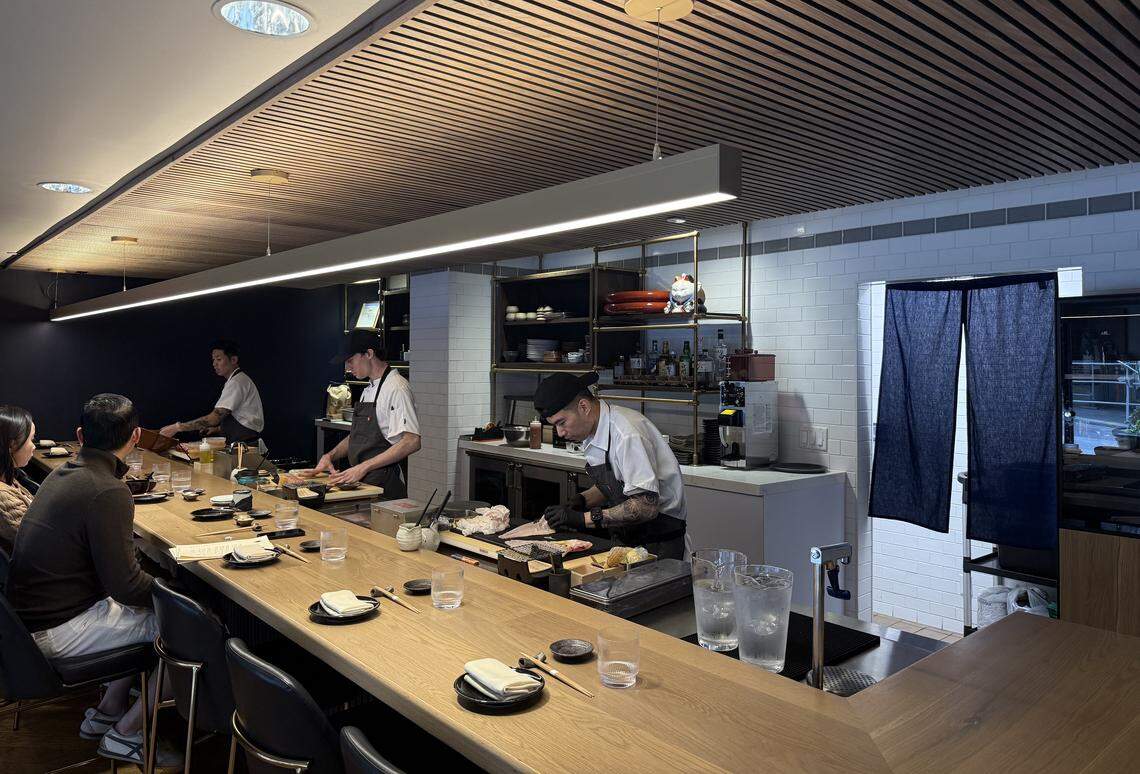
For those unfamiliar with the establishment, Akoya is intentionally understated. The restaurant is marked only by a small sign on its door at street level, though guests can also access the dining room through a secondary entrance located inside the Hotel Phillips. This “out-of-the-way” aesthetic contributes to the exclusive, club-like atmosphere that the national food media has taken notice of this year.
While the full omakase experience requires a large financial commitment, the restaurant has structured its menu to accommodate more diners. Hoang offers a la carte sashimi and nigiri options, alongside lunch specials designed to be more digestible for those not looking for the full multi-course tasting menu.
The inclusion of a Kansas City sushi spot on a national "best of" list reflects a trend in American dining: the decentralization of elite culinary talent. As chefs move away from the traditional coastal hubs of New York and San Francisco, cities like Kansas City are seeing an influx of high-concept dining that challenges local market expectations.
The economic stakes for these small-scale luxury ventures are high. Operating a business that relies on international logistics and premium imported goods requires a consistent flow of patrons willing to pay for scarcity and quality.
While the recognition from a publication like Eater provides a marketing boost, the long-term viability of such a model depends on whether the local community continues to support high-price-point dining in a city historically known for more casual fare.
For now, Hoang’s success suggests that the local market is ready to move beyond its traditional borders. Akoya Omakase remains open for service, continuing its rotation of seasonal fish and traditional techniques in the heart of downtown Kansas City.

Thiago Martins and Keaton Parks Depart New York City FC
New York City FC announced on Thursday that team captain Thiago Martins and veteran midfielder Keaton Parks will...

AIA Updates How Architecture Billings Track Construction Spending
The American Institute of Architects (AIA) has updated how it tracks the relationship between architecture billings and construction...

The Mac Weekly Reviewer Calls ‘You Can See Everything’ a Masterpiece
A new documentary titled “You Can See Everything” explores the psychological complexities of former Theranos founder Elizabeth Holmes,...

Two Luxury Residences in a Historic Baltimore Church for $3,300
A mid-19th-century landmark in Baltimore has been repurposed into high-end living spaces, according to a report from Baltimore...