
Four safety positions at Horizon Air were eliminated last month as Alaska Air Group reshuffles staff under a shared-services model, a move the unions say leaves the regional carrier uniquely exposed even as contract talks drag into a fourth year.
The cuts, confirmed in a letter the Association of Flight Attendants sent to members this month, shifted Horizon’s dedicated safety roles to Alaska Airlines. The union told The Seattle Times the airline conducted a safety risk assessment before the layoffs but kept the results confidential. “We have seen decisions made through shared-services structures that do not always account for the unique operational environment at Horizon Air,” the letter read.
Henry Simkins, president of the Horizon pilots’ union, Teamsters Local 1224, shared the frustration in a recent interview with The Seattle Times. “We don’t want to watch Horizon become a smaller and smaller piece of Air Group,” he said.
The reductions land atop a federal lawsuit filed in October alleging Horizon violated a 2022 fatigue-protection agreement by forcing tired pilots to deadhead — travel as passengers — to their next assignment instead of resting immediately.
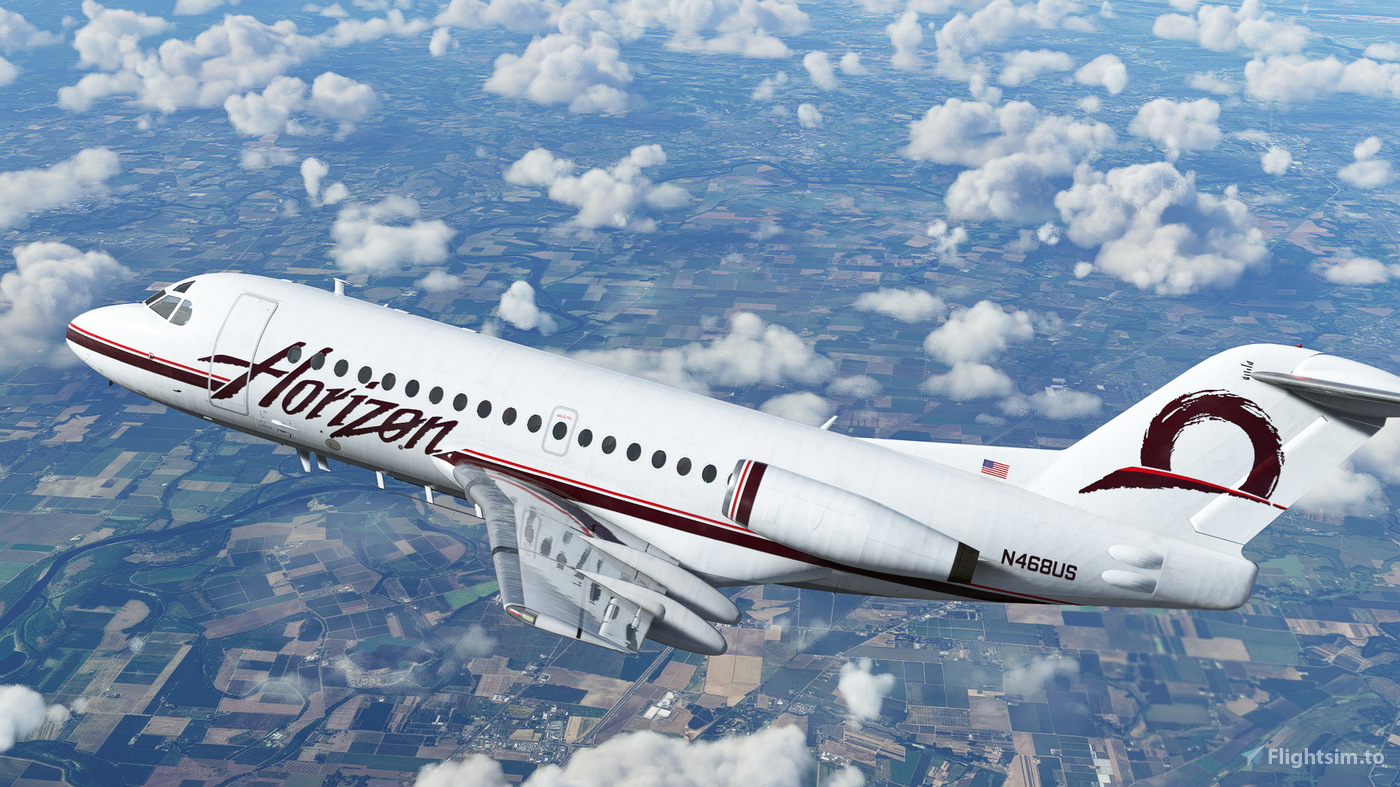
Pay gap widens as staffing stalls
First-year first officers at Horizon earn roughly $93 an hour. Six other regional carriers pay between $94 and $106 for the same job, according to company websites cited by The Seattle Times. Alaska Airlines pays $130; Hawaiian Airlines offers $90. The gap has persisted through nearly four years of negotiations that began in early 2023.
Horizon’s pilot ranks have grown from about 560 in 2023 to 660 in 2025, per the most recent public company data, but remain well below the 800 pilots on the roster in 2021.
Simkins, a six-year Horizon veteran who has led the union’s executive council for four years, said open positions go unfilled and reserve pilots are stretched thin, forcing line pilots to work days off. He suspects the deadheading spike is a symptom of the same understaffing that grounded hundreds of flights in 2017.
Flight attendants authorize strike
Horizon flight attendants, represented by AFA-CWA, voted overwhelmingly in June to authorize a strike after the company offered a single-digit pay increase while the union seeks double digits. The National Mediation Board must first declare an impasse, triggering a 30-day cooling-off period before any walkout. The union is scheduled to meet with management and the board in December.
Alaska said in a statement it takes employees’ concerns seriously and continuously evaluates staffing needs. “The recent changes were designed to strengthen alignment between Horizon and Alaska, ensuring our teams are working from the same safety information and have a shared understanding of risk, while maintaining appropriate safety leadership and resources for Horizon,” a spokesperson said.
The company declined to comment on the litigation but added, “We value our pilots and look forward to resolving this matter.”
Contrast at the mainline
While Horizon talks stall, pilots at Alaska and Hawaiian are nearing a new joint contract. Their bargaining teams unanimously endorsed a tentative agreement in November, with a membership vote set for next month.
Simkins argues Alaska’s global ambitions depend on Horizon feeding passengers from cities like Spokane and Boise into Seattle, yet the board “doesn’t have a clearly defined plan” for the regional carrier. “It’s frustrating for the pilots who want to make a career here.”
Horizon Air began flying on September 1, 1981, with three Fairchild F-27s linking Yakima and the Tri-Cities to Seattle. Founded by Milt Kuolt, Joe Clark and Bruce McCaw, the carrier was acquired by Alaska Air Group in November 1986 and operated as a separately branded airline until 2011, when it switched to a capacity purchase agreement under which Alaska Airlines schedules and markets all flights while Horizon staffs, operates and maintains the aircraft.
Horizon pilots took a no-confidence vote in senior vice president of operations Carlos Zendejas in October, calling for his removal after five years in the role. The lawsuit followed roughly a week later.

Kansas Needs Win Over No. 10 BYU to Keep Bowl Hopes Alive
Kansas needs a win Saturday against No. 10 BYU to keep its bowl hopes alive, The University Daily...
Eventbrite: Philadelphia Trading Card Con Set for July 23-25 With Treasure Chest Drawing, Live Breaks, Trade Night
Registration is live for the 2027 Philadelphia Trading Card Con, a three-day event scheduled for July 23 through...
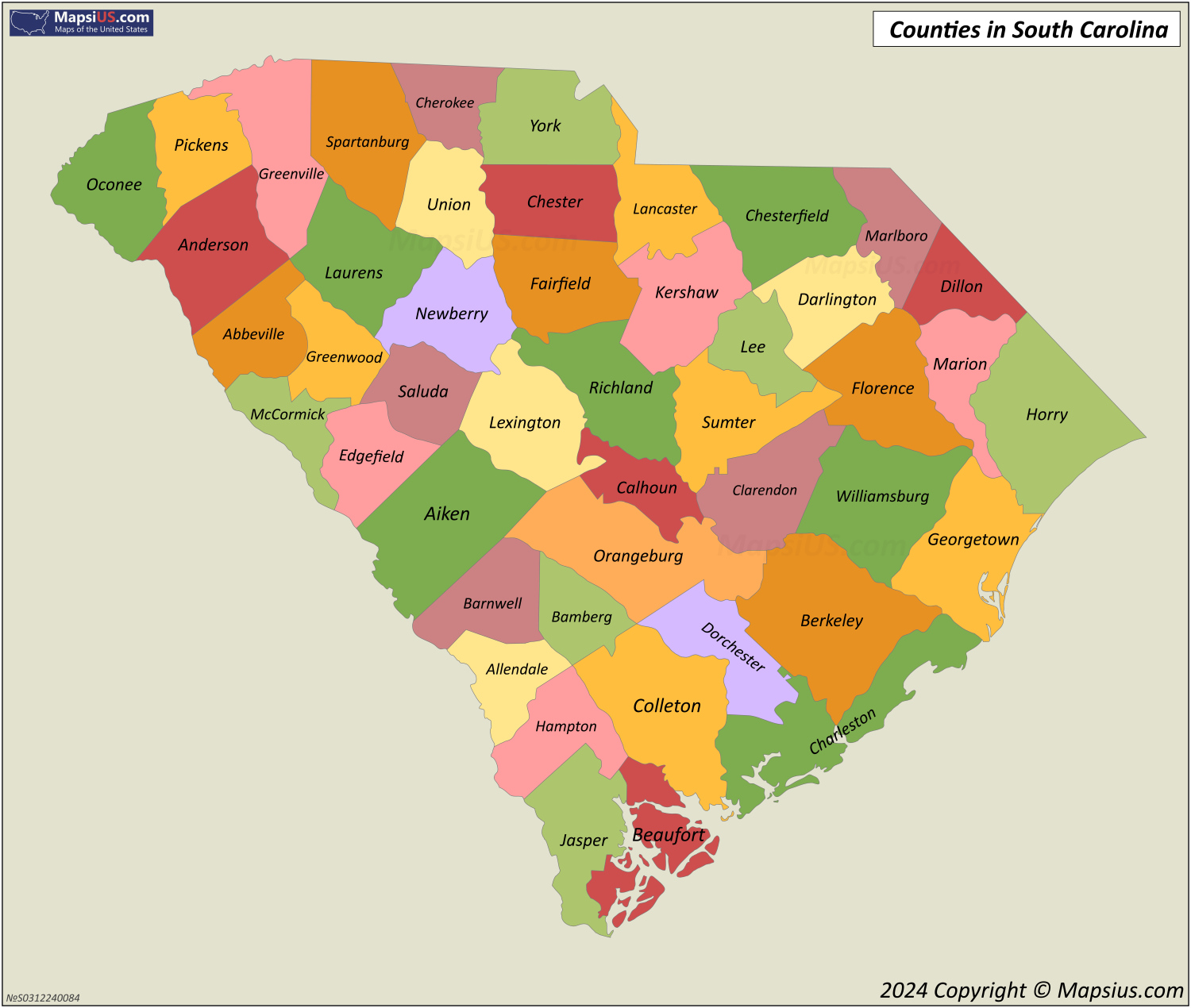
South Carolina Department of Revenue Publishes 2027 County Tiers; Six Counties Shift
South Carolina's Department of Revenue published the 2027 county tier designations on Friday reshuffling the incentive map for...
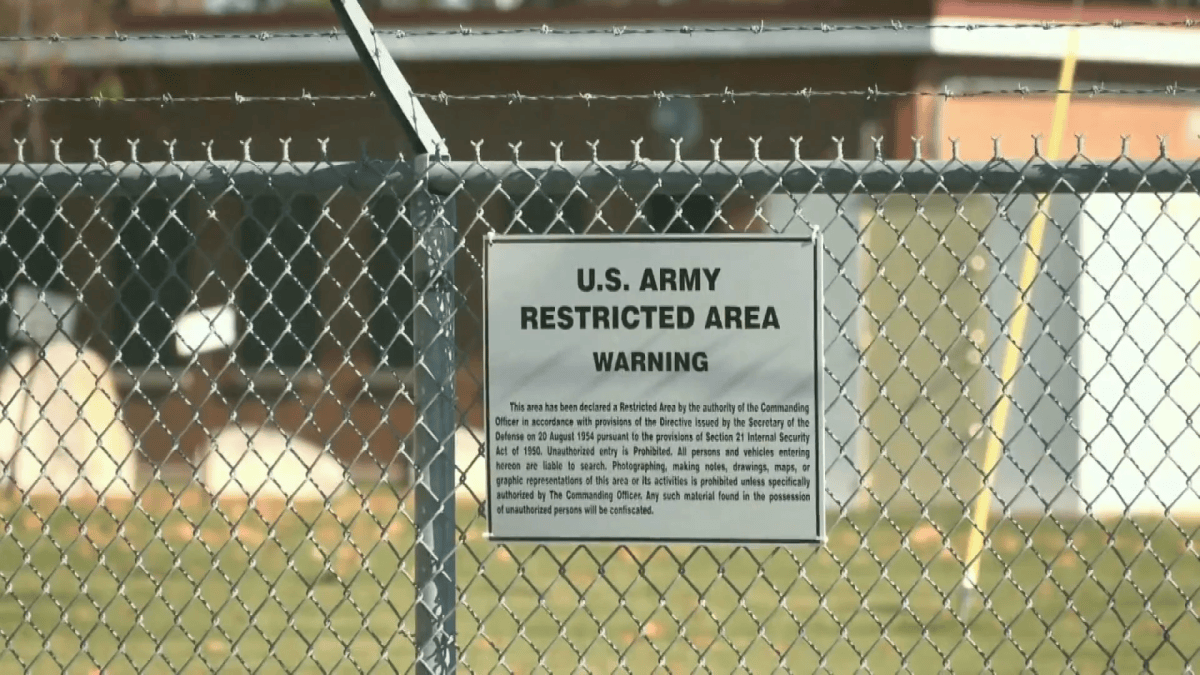
Court Halts Army Plan to Detonate Five Tons of Bomb-Making Material in Iowa
A federal appeals court halted the U.S. Army’s plan to blow up five tons of unstable bomb-making material...