
In a new episode of BrightPath recorded inside Bryant-Denny Stadium, Dr. Andrew C. Billings argues that sports fandom functions as one of the few remaining real-time communal rituals in American life.
The Ronald Reagan Chair of Broadcasting at the University of Alabama joined hosts Lisa Jones and Johnnie Aycock to break down the psychology behind why strangers high-five after touchdowns and why a loss can feel like a personal failure.
Billings, who also serves as co-director of the Beyond Sports Initiative and Editor-in-Chief of Communication & Sport, frames the phenomenon through a concept called BIRGing — Basking in Reflected Glory. “Basically, it’s that assumption that you had a choice which team you wanted to be a fan of,” Billings told BrightPath. “So when you say, ‘We won,’ it is confirmation that, yes, I chose the right team.”
The inverse, he explained, is CORFing — Cutting Off Reflected Failure — where fans distance themselves after a loss. He also cited COFFing, Cutting Off Future Failure, when a supporter walks away entirely, and GORFing, Glory Out of Rivals’ Failure, the distinct pleasure of watching a hated opponent lose. “There is a lot of joy you can get as an Alabama fan watching Auburn lose,” Billings said.
“I was talking to someone recently and mentioned the TV show Breaking Bad, and they’re like, ‘Don’t tell me, I haven’t watched it yet.’ And I’m like, ‘It finished 12 or 13 years ago.’ But if the game happens tonight, it’s still fully okay to discuss it the next morning, and no one can say, ‘Don’t tell me.’ So it’s very much in the moment, and people want something in the moment. They want community.”
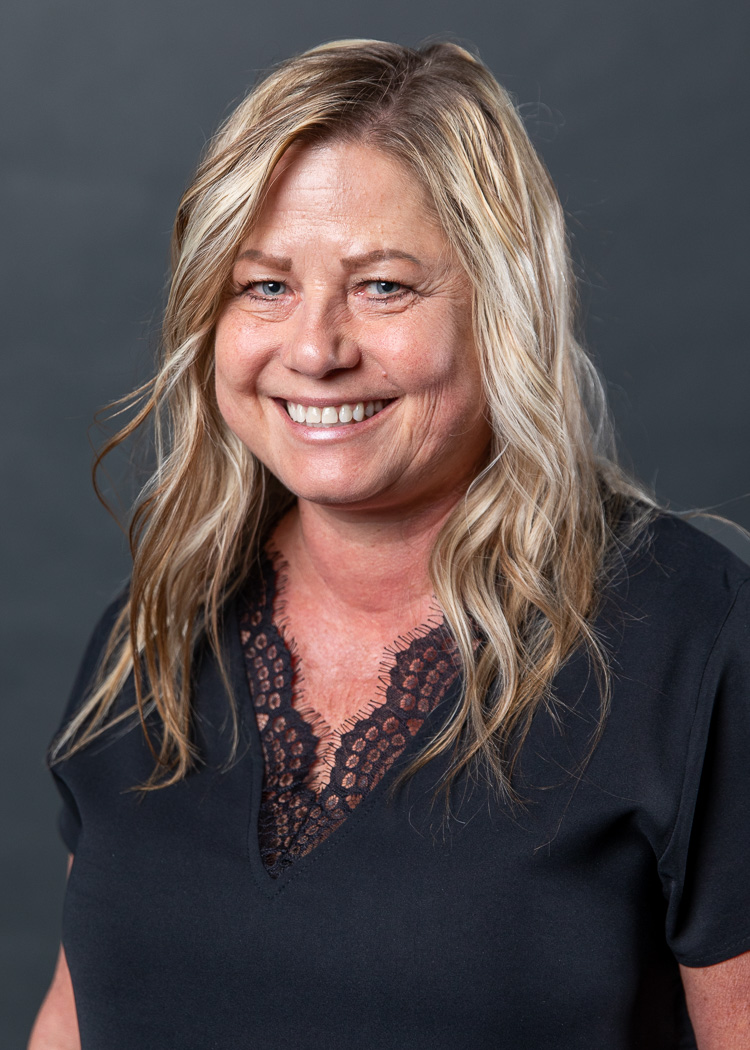
Dr. Andrew C. Billings, Ronald Reagan Chair of Broadcasting, University of Alabama
Billings traced Alabama football’s cultural dominance to historical circumstance and a lack of professional competition. He referenced a statistic from colleague Lars Anderson noting there are fewer people in the state without an opinion on the Alabama-Auburn rivalry than there are atheists. “Unless you want to travel a few hours, this is the main game in town, and so people will flock to it,” Billings said.
Generational transmission cements that loyalty. Billings described explaining to his children that the NBA Finals once aired on tape delay after the 10 o’clock news — a foreign concept to them. “Being able to kind of interpret the differences … gives people who might not have that much to talk about sometimes a means for doing that,” Billings said.
The conversation turned to fantasy sports as a modern engine of connection. Billings cited research showing one in three American males participates in fantasy football. “It’s a common language, and it gives people something that they can bond over,” he said. He noted his own league has run continuously since 1995, spanning over 30 years and life events including a member’s battle with cancer.
Yet the stadium experience itself is stratifying. “The experience, even at Bryant-Denny, can be very different from up at the top of the top deck in the heat, as opposed to some of the luxury suites that they have now,” Billings acknowledged. General admission once seated millionaires beside fans with very little cash; today, the shared space is more segmented.
Billings warned the dynamic extends beyond the stadium. He linked the psychology to youth sports, where parents bask in reflected glory through their children’s achievements, creating intense pressure. “You didn’t do it, but the child did, and so that leads to a lot of pressure,” he said.
Dr. Andrew C. Billings earned his PhD in Communication & Culture from Indiana University Bloomington in 1999 after graduating from Lakeland High School in Lagrange, Indiana. He was the founding chair of both the Communication and Sport Division of the National Communication Association and the Sport Communication Interest Group of the International Communication Association.
A former Visiting Chair of Olympism at the Autonomous University of Barcelona, he is a Fellow of the International Communication Association and received the Broadcast Education Association’s Lifetime Achievement in Scholarship Award in 2025.
With over 13,000 citations, Billings is the most published sports communication scholar in the world, having authored 27 books and approximately 310 journal articles and book chapters.
His research examines the intersection of sport, mass media, and identity, including gender, race, and nationality in Olympic broadcasts, Native American representations in sports, and media coverage of gay athlete coming-out stories. His most recent book, Head Game: Mental Health in Sports Media (2023), focuses on athlete mental health disclosures.
The Cubs fan who quit in 2015, one year before Chicago broke its 108-year championship drought, remains Billings’ favorite case study in COFFing. “He’s like, ‘Look, I’m out. I’m not doing this anymore.’ And sure enough, as soon as he said, ‘I’m out,’ the Cubs said, ‘Okay, we’re here to play.'”
Related reading
Omaha Employers Are Hunting for Workers
Omaha employers are hunting for workers who can put artificial intelligence to work on real decisions, not just...

Seahawks Restructure Darnold, Love, Jones to Create Nearly $10M in 2026 Cap Space
The Seahawks created nearly $10 million in 2026 cap space Friday by restructuring Sam Darnold, Julian Love and...

DC Judge Postpones 1993 Murder Trial Over Defense Attorney Change, DNA Witness Unavailable
A murder trial three decades in the making has been pushed off the calendar, DC Witness reported Friday....
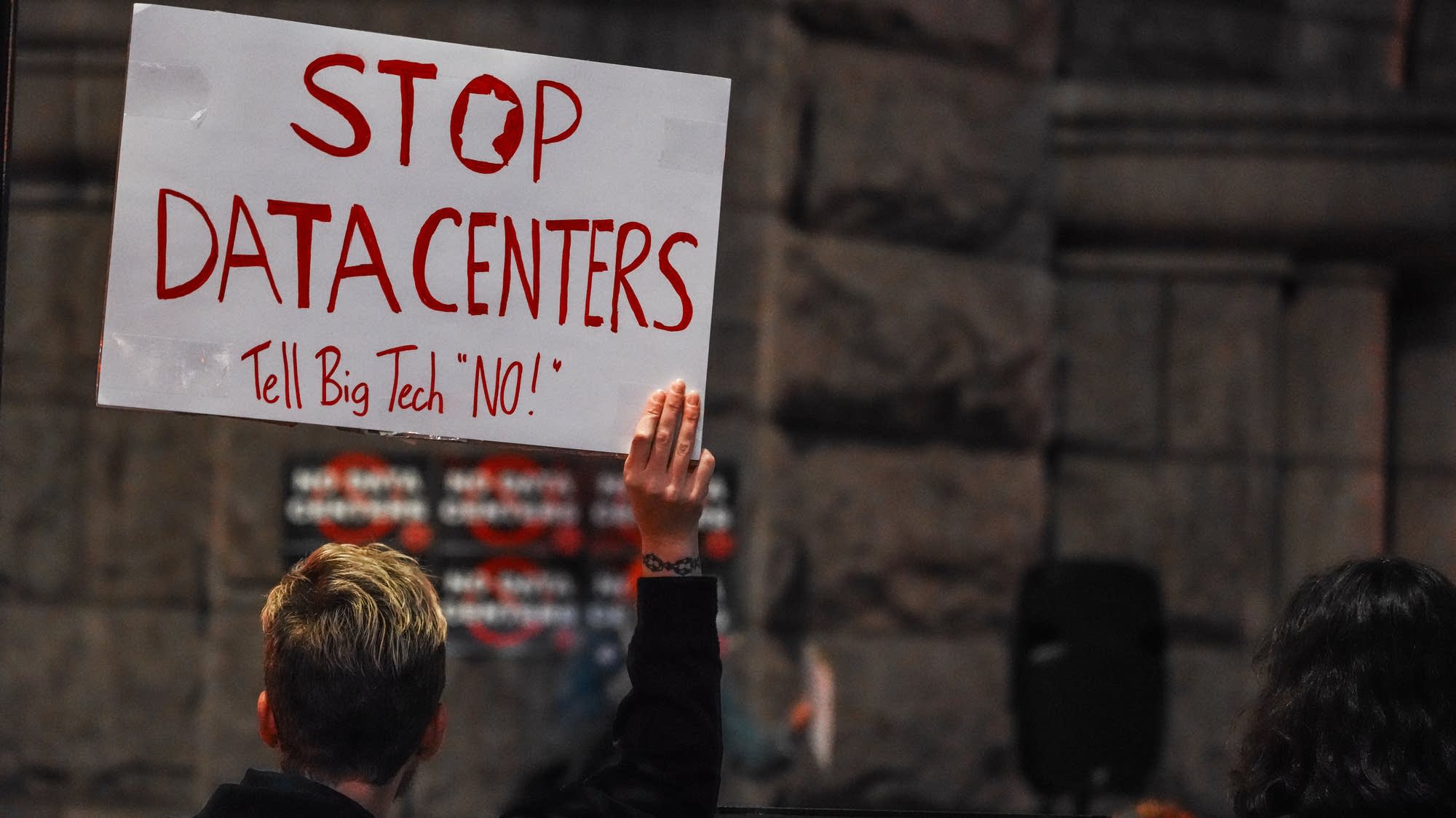
Minneapolis Mayor Vetoes Data Center Ordinance Before Moratorium Expires
Minneapolis Mayor Jacob Frey vetoed a data-center ordinance Thursday, leaving the city without permanent rules when a six-month...