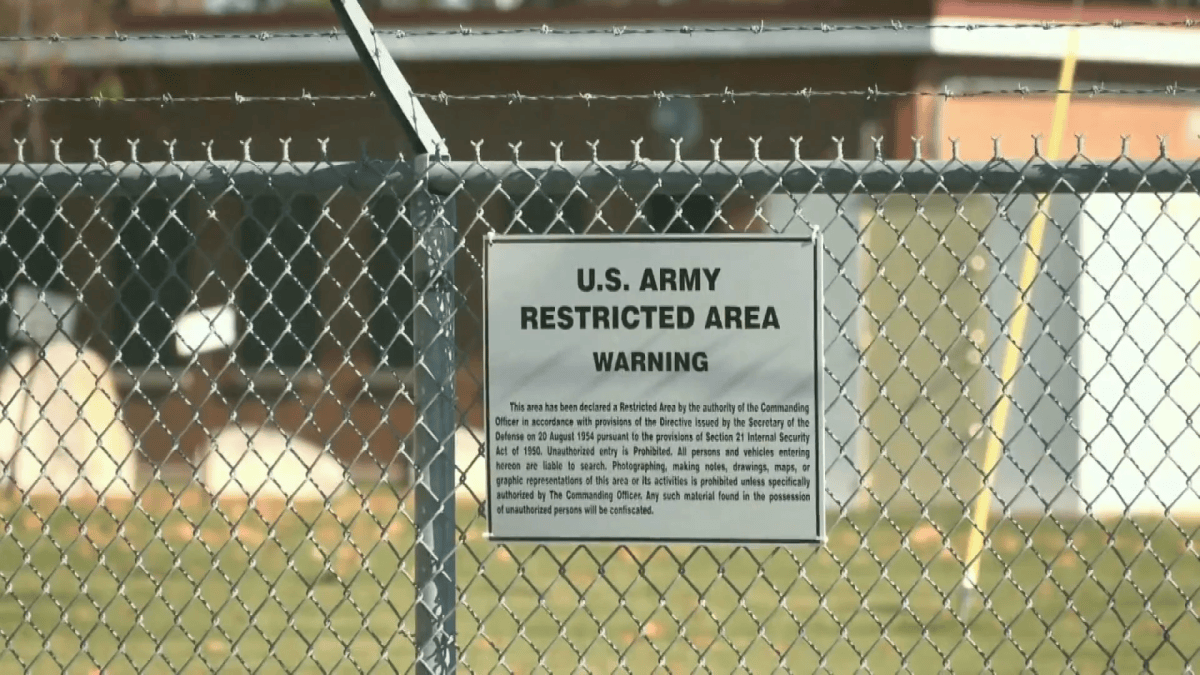
A federal appeals court halted the U.S. Army’s plan to blow up five tons of unstable bomb-making material in Iowa on Friday, turning a scheduled detonation into an open-ended legal fight.
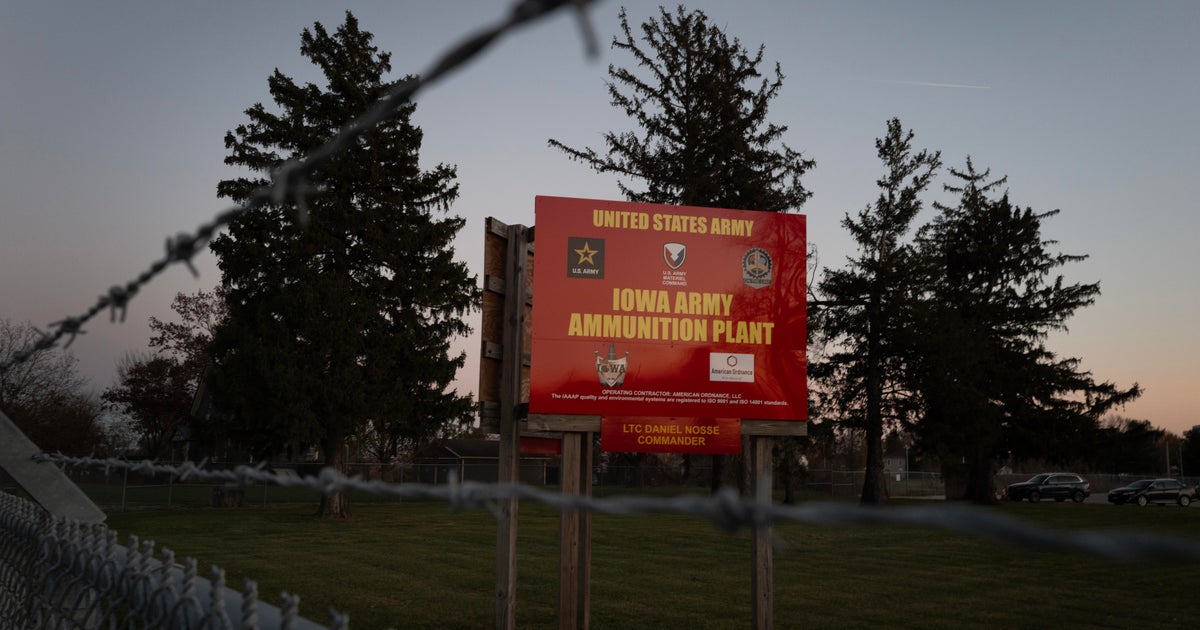
The U.S. Eighth Circuit Court of Appeals granted an emergency stay late Thursday, freezing the EPA permit that authorized the blast at the Iowa Army Ammunition Plant near Middletown. The order is effective until the court rules on the environmental groups’ motion to block the detonation entirely, CBS News reported.
The move came after the Iowa Environmental Council and the Sierra Club Iowa Chapter sued, arguing the emergency permit was issued without public access to the underlying safety data and with almost no time for nearby residents to prepare.
“An administrative stay of the emergency permit issued by the Environmental Protection Agency is granted until the emergency motion for stay is ruled upon by this court,” the court’s one-sentence order stated, according to NBC Chicago.
The unstable stockpile
The material at issue is lead azide, a primary explosive used in detonators since World War I. The Army has stored 68 barrels — roughly five tons — in earth-covered bunkers at the Middletown plant for more than 20 years, submerged in a bath of ethanol and water to keep it stable, CBS News reported.
A routine inspection this spring found water had evaporated from some barrels. The lead azide had recrystallized, making it acutely sensitive to shock, friction, and heat. Moving it now risks an accidental explosion, the Army says, leaving controlled detonation as the only viable disposal method.
A plume across state lines
Preliminary modeling based on Friday’s weather showed the toxic dust plume stretching north across eastern Iowa, the Mississippi River, and into northwestern Illinois. Thousands of people live along that projected path, alongside farms, groundwater sources, and the river itself, CBS News noted.
Public safety is the Army’s top priority, and I have directed Army Materiel Command to postpone tomorrow’s controlled detonation at the Iowa Army Ammunition Plant in Middletown, Iowa until Monday, November 23. This will delay the detonation until the latest possible moment prior…
A bipartisan group of Illinois lawmakers wrote to Acting Army Secretary Adam Telle and EPA Administrator Lee Zeldin that lead dust is particularly harmful to children and pregnant women and can contaminate soil and critical farmland indefinitely. “We call on you to consider delaying this detonation until there is an opportunity to explore safer alternatives,” the lawmakers said.
Illinois officials urged residents in the potential fallout zone to stay indoors with windows closed for 24 to 48 hours after any blast, wash hands before eating, and hose down outdoor surfaces. “We will continue to work with the Illinois EPA and local health departments to protect the safety of Illinois from the health risks associated from toxic lead,” IDPH Director Dr. Sameer Vohra said in a statement carried by NBC Chicago.
The Army’s case for urgency
Acting Army Secretary Adam Telle said the service discovered the degrading stockpile in March and immediately began coordinating with the EPA and stakeholders. After months of analysis, officials concluded a controlled detonation “posed the lowest risk to the public in the immediate and surrounding area,” because the material’s degraded state made relocation more dangerous than blowing it in place, CNN reported.
Cold weather adds pressure: freezing temperatures could make the recrystallized explosive even more unstable. The Army planned to saturate the ground with water and run misters during the blast to suppress airborne particles. Residents of Middletown — population 360 — were told to evacuate from 8 a.m. to 2 p.m. on the original Friday date, CBS News said.
Unanswered questions
“Maybe the most concerning thing is 2-year-olds that just have this habit of right of touching everything and then everything goes right into their mouth,” University of Iowa public health professor Patrick O’Shaughnessy told CNN. He and colleagues plan independent air and soil monitoring to measure actual fallout.
The court has not set a date for its ruling on the stay motion. Until then, the 68 barrels remain in their bunkers, submerged, waiting — and the legal battle over whether the Army’s emergency fix creates a longer-lasting hazard is just beginning.
Keep reading
Omaha Employers Are Hunting for Workers
Omaha employers are hunting for workers who can put artificial intelligence to work on real decisions, not just...

Seahawks Restructure Darnold, Love, Jones to Create Nearly $10M in 2026 Cap Space
The Seahawks created nearly $10 million in 2026 cap space Friday by restructuring Sam Darnold, Julian Love and...

DC Judge Postpones 1993 Murder Trial Over Defense Attorney Change, DNA Witness Unavailable
A murder trial three decades in the making has been pushed off the calendar, DC Witness reported Friday....

Minneapolis Mayor Vetoes Data Center Ordinance Before Moratorium Expires
Minneapolis Mayor Jacob Frey vetoed a data-center ordinance Thursday, leaving the city without permanent rules when a six-month...