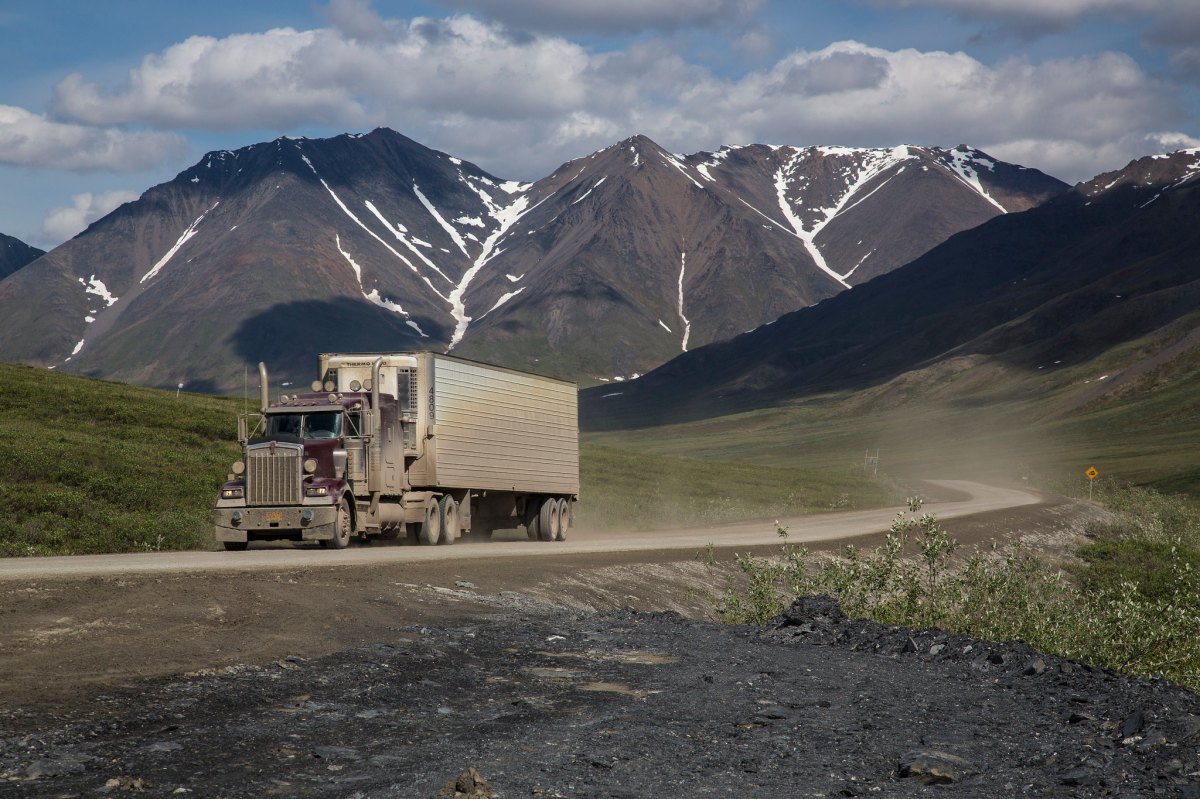
The state of Alaska is moving toward a decision that could lock off more than 400 square miles of public land to hunters and trappers, a proposal that critics argue sets a dangerous precedent for how the state manages its wilderness.
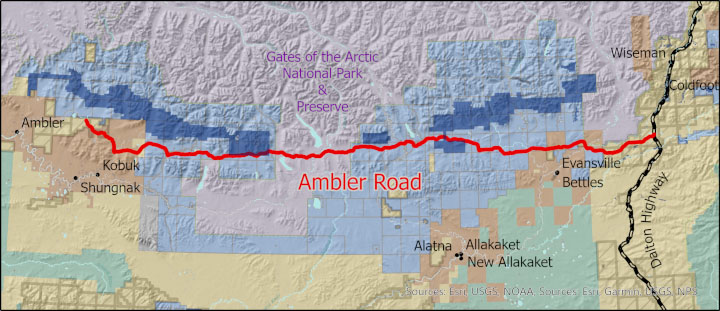
The potential closure, which would create a 1-mile buffer on either side of the 211-mile proposed Ambler Road, is being framed by supporters as a “subsistence safeguard” in anticipation of a mining district focused on copper and zinc deposits.
The Alaska Board of Game is scheduled to hold a special meeting on November 20 to discuss the initiative, which has sparked intense debate over the balance between industrial access and traditional land use.
The proposed restrictions would take effect on July 1, 2029, and are slated to remain in place through at least January 1, 2036. This timeline is particularly contentious because the closure would persist regardless of whether the Ambler Road is ever actually constructed.
“It’s unprecedented,” said Mary Glaves, Alaska program manager for Backcountry Hunters and Anglers. “We’re supposed to allow for balanced use of all of our resources. This would show preference to one resource over another.”
When the Board of Game considered formalizing the memorandum of understanding between the state and several Alaskan native corporations during a July meeting, opposition was fierce. Because that meeting occurred during the height of the fishing season, many organizations were unable to prepare effective testimony. The board tabled the discussion, but the subsequent announcement of a November 20 meeting has further frustrated public engagement efforts.
The upcoming session will allow only written public comment, effectively barring oral testimony. While Glaves acknowledged that this format is not technically illegal, she said that it falls short of the transparency expected in such a significant public land decision. The Alaska Wilderness League, which has been vocal in its opposition to the road project, estimates that total costs for construction, maintenance, and financing could exceed $2 billion.
In a written statement dated November 4, the organization argued against the necessity of the restrictions: “There is no compelling reason to establish these restrictions years before the project is constructed or in the absence of demonstrated need. Doing so would also set a troubling precedent of using the Board’s time and public resources to evaluate hypothetical impacts of projects that may never materialize, rather than addressing actual wildlife management and public access concerns as they arise.”
Jonathan Kreiss-Tomkins, the Democratic governor-elect, has not yet staked out a firm position on the Ambler Road. While he has signaled an intent to scrutinize the state’s financial commitments to the project, the Alaska Industrial Development and Export Authority continues to move forward with the planning process.
The road corridor is designed to cut through some of the largest remaining caribou habitats in the region, creating concerns about long-term herd fragmentation and fish habitat disruption.
While the proposal includes provisions for subsistence hunters to cross the road corridor, the prohibition on all other hunting and trapping activities fundamentally changes the character of the land.
As the November 20 meeting approaches, the debate centers on the role of the Board of Game in mediating this conflict.
Worth a look

Loose Screw Beer Co. to Open New Downtown Boise Taproom and Kitchen
Loose Screw Beer Co. is expanding into downtown Boise with a new taproom and its first standalone kitchen,...

Jim Gaffigan Tallahassee Tickets on Sale at Civic Center
Comedian Jim Gaffigan is bringing his "Still Fighting It" Tour to the Donald L. Tucker Civic Center in...

Amazon-owned Zoox Launches Robotaxi Testing in Atlanta
A new robotaxi is hitting the road in Atlanta, though rides are currently restricted to employees, their families,...
4-Bedroom Contemporary Home in Lakeshore Village for $425,000
A four-year-old contemporary single-family home located at 172 Carlton Ln in Dover, Delaware, is listed for $425,000 with...