
Travelers exploring the Alaskan interior encounter a vast, shifting landscape marked by 3 million lakes and more than 40 active volcanoes. Visitors should prepare for sudden climate shifts, as sunny skies often give way to wind and rain within the same day.
Sable Pass at Mile 39 remains a primary location for viewing grizzlies from a distance. Beyond hiking, the region offers opportunities for river rafting, horseback riding, and fishing, with backcountry permits available for those seeking deeper access to the wilderness.
Travelers can navigate the interior via the Alaska Railroad, which has operated its 470-mile main line between Seward and Fairbanks since 1923. While the train provides a comfortable, year-round connection between communities, its slow pace may contrast with the experience of modern bullet trains found in Japan or Europe.
“There is much to like about this railway, including its spaciousness and comfort, but it’s so slow-moving at times and the distances so great, that you may find yourself yearning for the bullet trains of Europe and Japan,” the report said.
A separate route travels 127 miles south from Anchorage to the coastal town of Seward along Alaska Route 1 and State Highway 9. This shoreline drive passes Potter Marsh, where boardwalks provide views of migratory birds such as trumpeter swans and pintails.
The route follows the Cook Inlet and the Turnagain Arm before reaching Portage Glacier at Mile Marker 78. Travelers can continue on Route 9 to reach Resurrection Bay, which serves as a hub for regional outdoor activities. Those traversing the state should remain aware of seismic activity, as Alaska sits on a fault line nearly twice the size of California’s San Andreas and experiences 11 percent of global earthquakes.
Related reading
- Milwaukee Organizations Provide Free Gun Lock Boxes at Fire Station 13 November 21, 2026
- UBS Predicts Economics Will Outweigh Geopolitics in 2027 Investing Outlook
- Kimono veteran reveals the hidden downsides of traditional Japanese wear (newsarchyuk.com)
- Two Juneau writers win Alaska Literary Awards (archyde.com)

Milwaukee Organizations Provide Free Gun Lock Boxes at Fire Station 13 November 21, 2026
Milwaukee gun lock boxes distributed November 21, 2026 As reported by yahoo.com, three Milwaukee community groups assembled at...

UBS Predicts Economics Will Outweigh Geopolitics in 2027 Investing Outlook
Economic fundamentals like growth, corporate earnings, and interest rates will remain the primary drivers of financial markets in...
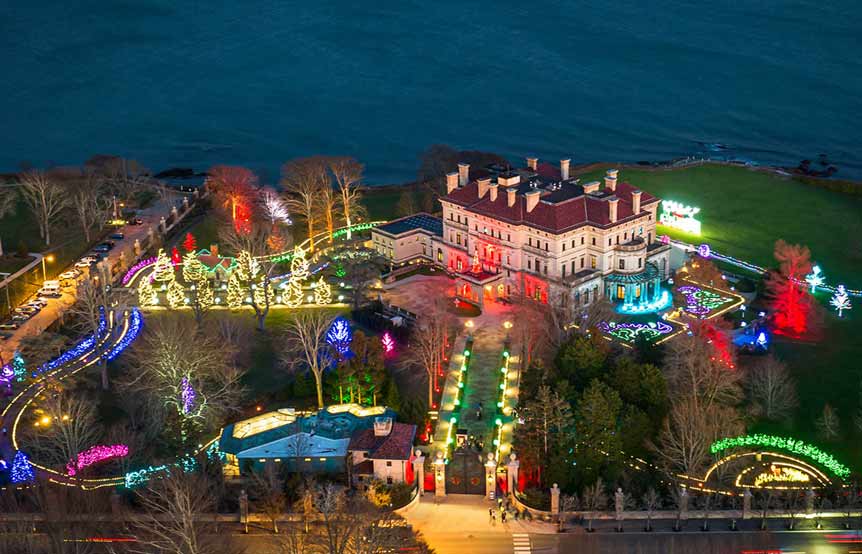
Rhode Island Holiday Light Show at Confreda Farms Returns for Seventh Year
The Rhode Island Holiday Light Show at Confreda Farms in Hope returns for its seventh year, with event...

Media and Community React to Michigan Upset of No. 4 UCLA in OT
Michigan football secured bowl eligibility on Saturday by upsetting No. 4 UCLA 18-16 in a triple-overtime victory at...