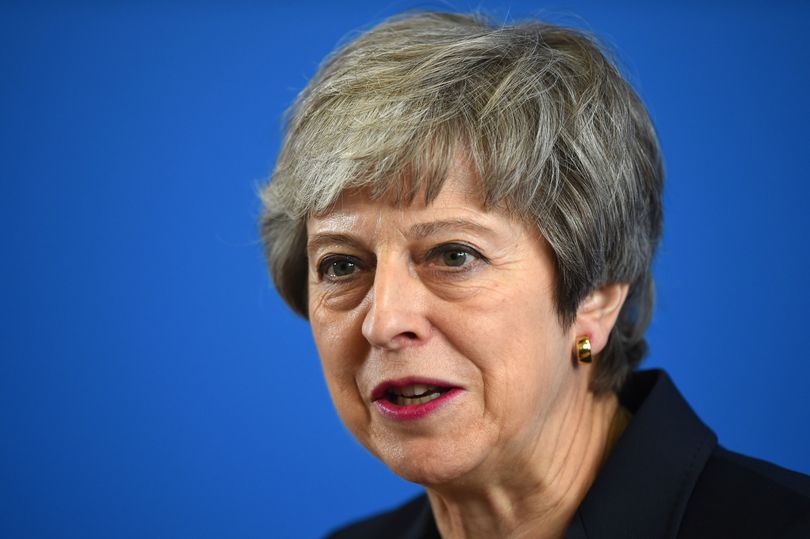
Prime Minister Andy Burnham has pledged to launch a “brainstorming” process to bring the UK closer to the European Union, following a series of diplomatic engagements in Brussels. The move, which Burnham has said he wants to see result in rejoining the bloc in his lifetime, has drawn warnings from former Prime Minister Theresa May.
Burnham’s Brussels Brainstorm
The Prime Minister confirmed his intention to explore deeper ties with the EU after concluding a summit that saw agreements reached on energy, emissions, and a youth mobility scheme. While No 10 officials maintain that the government is not currently fixed on a single outcome, they acknowledge that Burnham holds a personal desire to reverse the 2016 decision to leave the bloc.
Burnham has framed the initiative as a “national discussion” that will form part of a 10-year plan for the country. However, he has explicitly said that he is not proposing any immediate changes during the current Parliament, aiming to avoid a direct legislative clash.
According to Bloomberg, the Prime Minister told ITV that he intends to lead a discussion on improving the current relationship, noting, “I don’t think things have worked out as people said they would.”

Theresa May and the Administrative Burden
The prospect of renewed negotiations has faced immediate pushback from Theresa May. The former Prime Minister, whose own tenure was defined by the Brexit divorce process, argued that the government should accept the 2016 referendum result rather than attempting to revisit it.
The hours that have to be put in, it’s across the whole of government. It’s not just prime ministerial time, [it’s] cabinet ministers’ time, officials’ time, to-ing and fro-ing on those negotiations.
Theresa May, former Prime Minister
May, who spoke in an interview with the BBC, warned against any attempt to “pat them on their head” as if the public had provided an incorrect answer in the initial vote.
She cautioned that reopening the debate would consume significant administrative resources, distracting from other pressing national priorities. She told an editor that Burnham ought to move on from the 2016 referendum result, warning that the process of negotiating with the EU is a long and difficult task.
Former Leaders and Political Risks
Other former leaders have echoed these concerns, albeit with different focuses. David Cameron has weighed in on Burnham’s plans regarding the EU, according to BBC News.
The problem if we go back and join Europe is that; I can’t say that the technology revolution is the single biggest thing, and then if Europe moves in the wrong direction on technology innovation, which they might do and presently probably are doing, that it’s a good idea for Britain to rejoin. That’s what’s changed in this last ten years.
Tony Blair, former Prime Minister
Additional Perspectives on EU Ties
Alan Johnson, who previously led the Labour Party’s campaign to remain in the EU during the 2016 referendum, has also offered his views on the current political climate. While Johnson advocates for strengthening ties with European partners, he explicitly said that he does not want to see a second referendum.
He said that Europe remains the largest commercial market globally, surpassing both China and America in size. Johnson warned that the Prime Minister must avoid allowing his premiership to become entirely consumed by this single issue, suggesting that the deal negotiated by his predecessors was flawed but that the path forward requires careful management.
Labour’s Internal Strategy
Within the government, the approach remains calibrated. While some figures in the Labour party are eager to pursue closer alignment, officials emphasize that the current strategy is focused on building incrementally upon the recent summits.
A senior Whitehall source cautioned that British leaders often underestimate the “ideological inertia” present in Brussels, noting that while European leaders may be friendly, they are not the sole decision-makers within the bloc’s machinery. Labour has confirmed that specific “red lines”—including no return to a customs union, the single market, or freedom of movement—will remain in place for the duration of this Parliament.
The Prime Minister is expected to provide further clarity on the next steps of his 10-year plan next month. Until then, the government continues to navigate the dual challenge of managing domestic political expectations and the complex, time-intensive reality of negotiating with European counterparts.
Related reading

Lens Risser Attracts Juventus And Inter Interest
Manchester City are monitoring RC Lens goalkeeper Robin Risser as Gianluigi Donnarumma has struggled in net of late.

Cricket Australia Rejects Suggestions Pat Cummins’ Integrity Was Compromised
Cricket Australia has unequivocally rejected suggestions that captain Pat Cummins’ integrity was compromised following fresh testimony regarding the...
Twins trade Royce Lewis to Dodgers for Bobby Miller, Espinoza
The Minnesota Twins traded former No.

Wales Players Gain Confident Mindset, Tomos Williams Says
Wales head coach Steve Tandy has picked nine England-based players for Saturday's Test against Australia at Principality Stadium.