
Anthony Albanese faces mounting questions about his leadership as Labor enters election mode halfway through the parliamentary term, with the economy deteriorating and One Nation threatening both major parties.
The party’s national campaign committee held its first meeting on Monday, signalling a shift to campaign footing 18 months before the election due by May 2028. The move comes after a 2026 budget that shifted the tax burden toward assets disappointed the government by proving more unpopular than anticipated, ABC News reported.
Labor’s primary vote is in the doldrums and Albanese is deeply unpopular, leaving the party needing to rebuild political capital in a far harsher climate than 2025. Three economic scenarios loom for 2027–28: recession, which a growing number of economists fear though Treasury and the Reserve Bank do not predict; a continuation of current stagnation with voters financially squeezed and real wages flat; or a “sweet spot” with inflation controlled, rates lower and real wages rising.
“The prime minister has undoubtedly earned the right to choose when he will move from his position. But the point at which he does will matter,” former minister Ed Husic said at a Labor function in Goulburn last week. “It should be done at a time that allows a wider group of people to decide who should take up the mantle of leadership. That wider group should be you.”
Husic warned the choice “should not be the stuff of a backroom deal” because “as much as we are choosing a leader, we are choosing a direction: signalling a way forward.” His says, made under party rules giving rank-and-file members a 50 per cent say in a contested ballot, fuelled speculation about a potential succession plan involving Minister for Climate Change and Energy Mark Butler.
Albanese dismissed the speculation at a news conference this week. Asked whether he had given any thought to his retirement, he said: “No.”
Climate Change and Energy Minister Chris Bowen and Education Minister Jason Clare also declared firmly they intend to run again after being named in retirement rumours.
Labor’s national executive meets next week to canvass the economic outlook and state branch preselection timetables. An early election next year is considered unlikely. “Barring something extraordinary, there is no credible argument for an election next year. That would be poking a very grumpy electorate in the eye — a pretty foolish thing to do,” ABC News reported.
One Nation loomed large at the campaign committee meeting.
The party’s trajectory will be tested at the Victorian election on Saturday and the NSW poll in March. South Australian Liberal senator Leah Blyth defected to One Nation on Thursday, a year after Barnaby Joyce left the Nationals for the same party. Coalition leaders Angus Taylor and Matt Canavan are anxiously watching for further defections.
Labor fears One Nation could lure its voters amid economic pain.
Polls show the party is already doing so. The government ended the parliamentary year shaken by an interest rate rise early this month, rising unemployment last week and higher inflation this week, though it passed legislation including a digital duty of care regime, a tax crackdown on trusts, a gas reservation scheme and partial health insurance rebate savings.
- Anthropic Lets Claude Users Turn Artifacts Into Desktop Apps
- Woman, 49, Temporarily Paralysed After Drinking Eight Cups of Tea, Tells the Sun
- Iran Faces Energy Crisis and Austerity Amid US Pressure and War Damage (world-today-news.com)
- London Underground faces widespread disruption as RMT Tube drivers strike (newsarchyuk.com)

Anthropic Lets Claude Users Turn Artifacts Into Desktop Apps
Anthropic rolled out a beta feature on November 24 that lets Claude users turn AI-generated artifacts into installable...
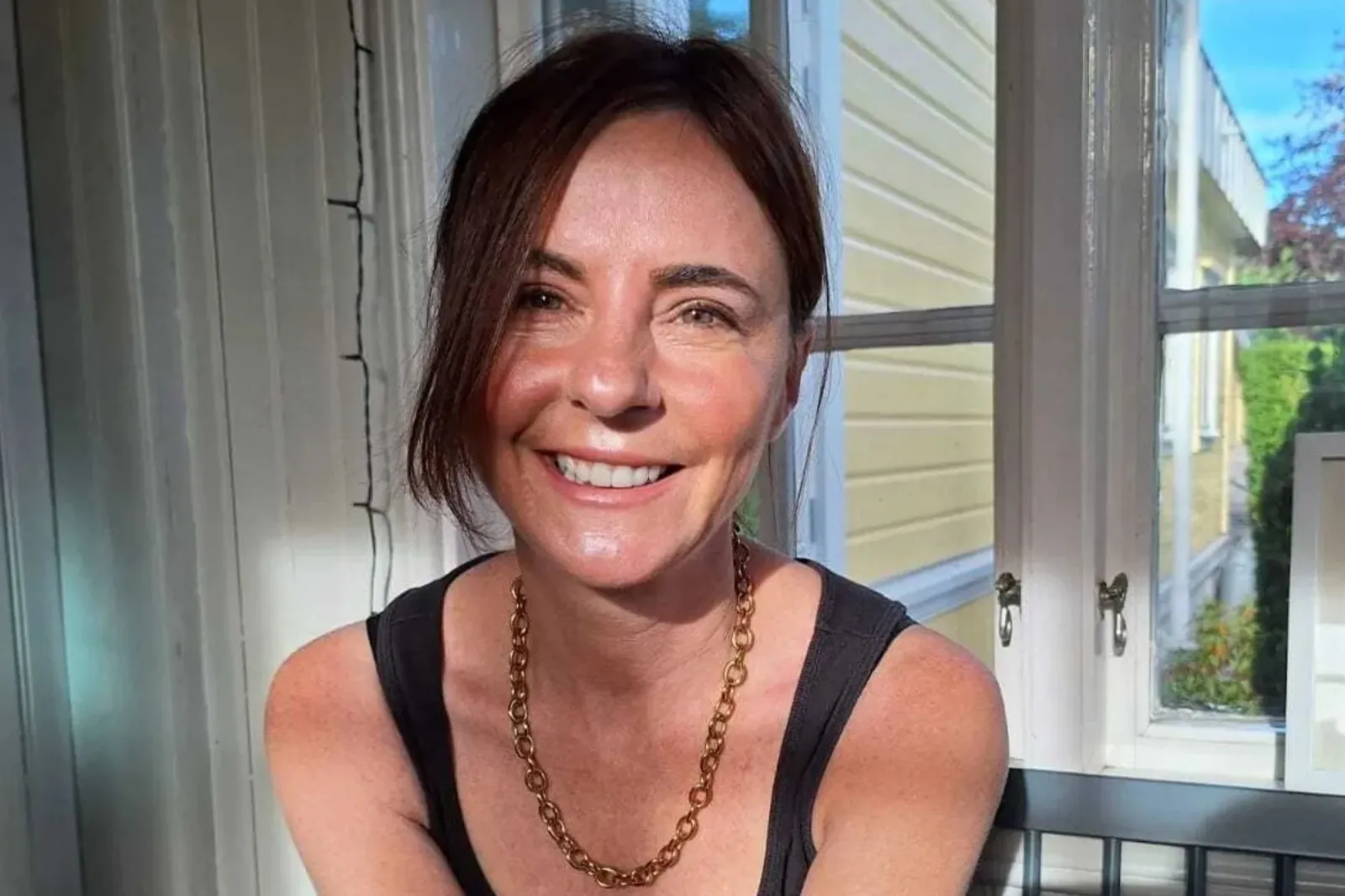
Woman, 49, Temporarily Paralysed After Drinking Eight Cups of Tea, Tells the Sun
In a column for The Sun, Heidi Ellert-McDermott describes how a July weekend with her family in Gloucestershire...

Fireball Meteor Streaks Across Michigan Sky, Seen in Multiple States
It was so bright and beautiful, one witness said of the celestial visitor that lit up the Midwestern...

Nintendo Switch 2 Mario Kart Bundle Returns to $499 Launch Price for Black Friday
Nintendo Switch 2 bundles are dropping to pre-hike prices for Black Friday, with the Mario Kart World bundle...