In a column for The Sun, Heidi Ellert-McDermott describes how a July weekend with her family in Gloucestershire ended with temporary paralysis and an inability to recall her children’s names, which doctors attributed to a hemiplegic migraine triggered by excessive caffeine consumption.
Ellert-McDermott, 49, who runs the wedding-speech business Speechy, told The Sun she had consumed about eight cups of tea and barely eaten on a hot day while visiting friends. Within minutes she was vomiting, staggering and unable to move one leg.
Her husband called 111, which immediately dispatched a 999 ambulance. After a four-hour wait, paramedics arrived, but Ellert-McDermott refused to enter the ambulance, prompting a second crew to assist. She says she has a five-hour memory blank from that period.
“One minute I was having a normal weekend. Then I couldn’t move one leg, started feeling sick and, within about five minutes, couldn’t remember my own children’s names,” she told The Sun. “I was completely terrified. It just felt so dramatic.”
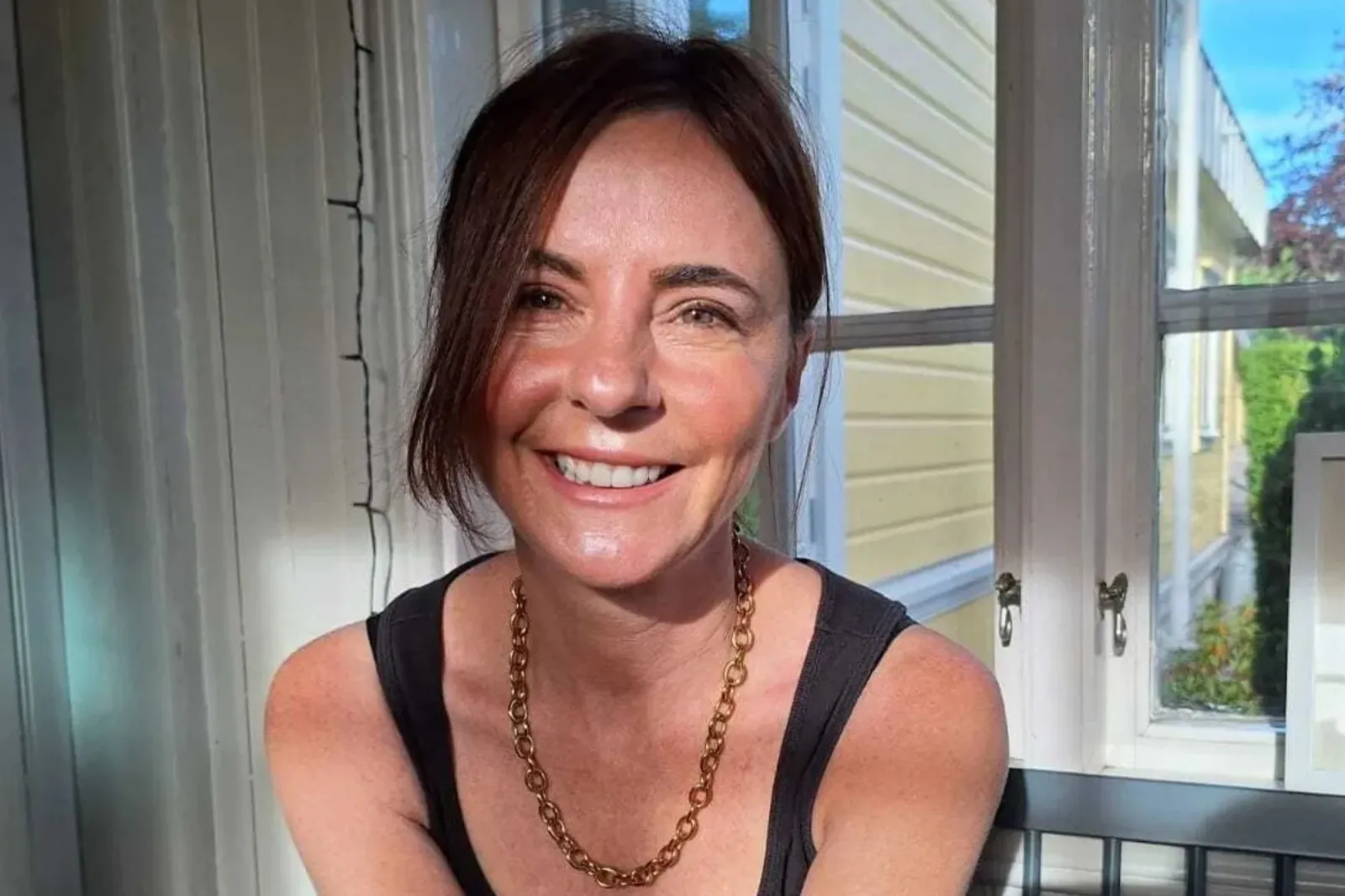
CT and MRI scans at the hospital came back clear. She spent two nights on a magnesium drip and was diagnosed with hemiplegic migraine, a rare neurological condition affecting roughly one in 10,000 people, according to Dr Suzanne Wylie, a GP and medical adviser for IQdoctor, quoted in The Sun.
“Hemiplegic migraine is a potentially quite frightening form of migraine which can cause temporary weakness or paralysis down one side of the body,” Dr Wylie told The Sun. “It is important to recognise that hemiplegic migraine is not simply an ordinary migraine with a particularly severe headache, as it is a distinct neurological condition in which the symptoms can closely resemble those of a stroke.”
Doctors told Ellert-McDermott that caffeine, combined with summer heat and a slight magnesium reduction from medication for a skin condition, likely triggered the attack. Since the episode she has switched to decaffeinated tea and eliminated chocolate. She was warned that any recurrence of the symptoms should be treated as a potential stroke.
“If you suffer the symptoms, it may actually be a stroke – make sure you treat it seriously,” she told The Sun.
Dr Wylie told The Sun: “Anyone experiencing these symptoms for the first time, or experiencing a new or different episode, should seek emergency medical assessment by calling 999.”

Anthropic Lets Claude Users Turn Artifacts Into Desktop Apps
Anthropic rolled out a beta feature on November 24 that lets Claude users turn AI-generated artifacts into installable...

Albanese Leadership Faces Questions as Labor Enters Election Mode
Anthony Albanese faces mounting questions about his leadership as Labor enters election mode halfway through the parliamentary term,...

Fireball Meteor Streaks Across Michigan Sky, Seen in Multiple States
It was so bright and beautiful, one witness said of the celestial visitor that lit up the Midwestern...

Nintendo Switch 2 Mario Kart Bundle Returns to $499 Launch Price for Black Friday
Nintendo Switch 2 bundles are dropping to pre-hike prices for Black Friday, with the Mario Kart World bundle...