
Spanish-born producer Alexis Piqueras has turned a 19th-century caviar factory in Tribeca into a 2,500-square-foot loft defined by original brick, timber columns and a collection of queer art.
Piqueras, founder of AP Studio and a creative director for brands including Louis Vuitton, Celine and Loewe, returned to New York after three years in Los Angeles seeking the grit of the city’s post-industrial waterfront. He found it in a building that once processed sturgeon roe, where wood-framed windows still frame slices of the Hudson River.
A previous renovation had already carved the raw space into a primary suite, guest bedroom, office, powder room, pantry and open living area. Piqueras and Brazilian-born designer Pali Xisto Cornelsen stripped away later interventions to recover the factory’s bones.
“The moment you take away everything, you have all you need,” Piqueras told Architectural Digest.
Cornelsen replaced high-gloss cabinetry with white-painted fronts and chunky solid-cherry pulls, added stainless-steel countertops and a wood-trimmed island, and coated the walls in Benjamin Moore’s Simply White. The floorboards were refinished, linen roman shades dressed the windows, and every recessed light was removed. “I was conscious of creating a neutral canvas,” Cornelsen told Architectural Digest. “You’re gonna feel a certain calm.”

Furniture anchors the restraint: Charlotte Perriand dining chairs, a custom sofa, an Alvar Aalto prototype cocktail table, an Isamu Noguchi floor lamp and a circa-1960 Knoll console. A Harold Ancart painting hangs in the entry; a David Wojnarowicz work sits above the console. The den holds a built-in daybed, David Hockney etchings and a Nan Goldin photograph.
Piqueras built the collection with advisor Joe Sheftel, focusing on queer artists of recent memory. Photographs by Wolfgang Tillmans, Peter Hujar and Alvin Baltrop — who documented pre-AIDS gay revelry on the nearby Hudson River piers — hang alongside portraits by Larry Stanton and Hockney. A Phoebe Helander still life of a burning candle and a Doron Langberg landscape of Fire Island Pines add what Sheftel called a romantic spirit.

“It’s a lot about community,” Sheftel told Architectural Digest. “The apartment also functions that way, as a fun space for friends and play.”
Sheftel pointed to Wojnarowicz’s work as evidence of a deeper narrative: “There’s also a narrative of activism — of power and creativity through crisis.”
Some guests have blushed at the nudity, Piqueras admitted to Architectural Digest, but the intention was never shock. The space is designed for gathering, a refuge from the digital noise that Piqueras escapes by simply misplacing his phone on a Friday afternoon. “I’ll find it eventually,” he said, unperturbed.
Related reading

New Hampshire Fisher Cats’ “Space Potatoes” Identity Merges First Potato Crop With 1961 Hill Alien Abduction
The New Hampshire Fisher Cats, the Double-A affiliate of the Toronto Blue Jays, have adopted the "Space Potatoes"...

Marsha Geier, 71, Sioux Falls, Dies at University of Nebraska Medical Center
Marsha Geier, a nurse who spent 34 years at Mercy Medical Center in Sioux City and a grandmother...
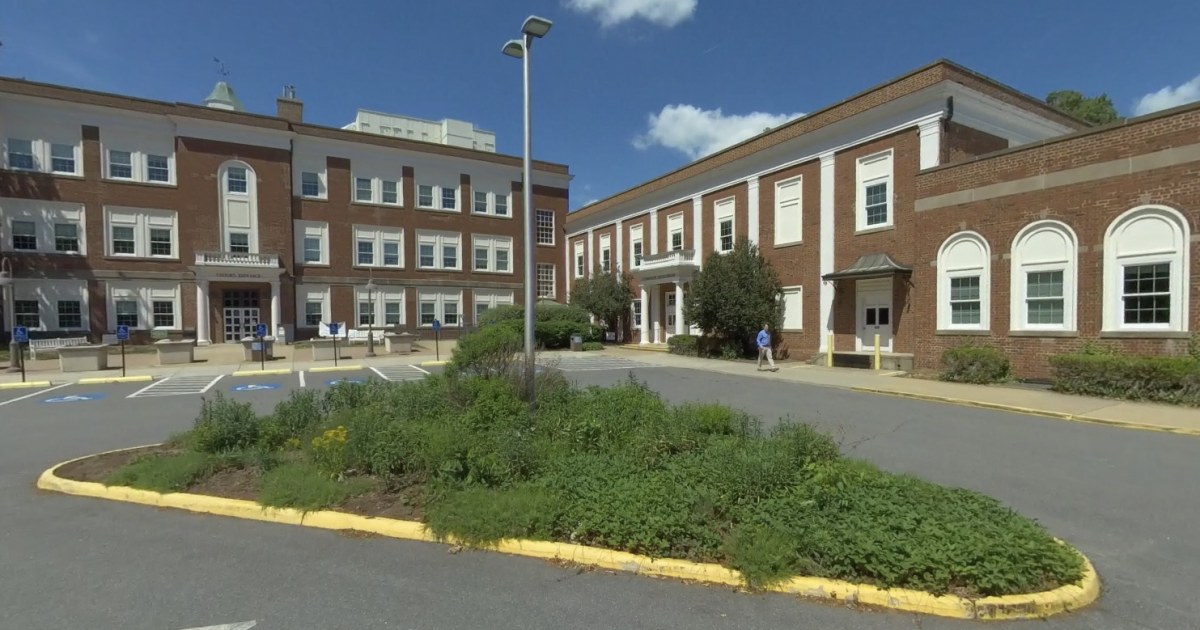
Va. Schools Close Through Thanksgiving Break After 500 Staff Missed Child Abuse Registry Review, Acting Superintendent Says
Albemarle County Public Schools announced Wednesday it would close all 29 schools through Thanksgiving break after discovering more...

Las Vegas Thanksgiving Restaurant Guide: Menus & Prices From $26 to $150
Thanksgiving dinner at a Las Vegas restaurant will cost anywhere from $26 to $150 per person this year,...