Aliya Rahman sues the U.S. government for January arrest
Aliya Rahman, a Minneapolis resident, filed a lawsuit against the federal government on Tuesday following a violent encounter with immigration agents earlier this year, according to reports from the MacArthur Justice Center, HuffPost, and CBS News.
JUST IN: Aliya Rahman, the Minneapolis woman whose image went viral after ICE agents dragged her out of her car on her way to a doc appointment, just hit DHS with a federal complaint alleging its officers violated disability and human rights laws. https://t.co/I5Hr7NKqDT
The lawsuit, filed in the United States District Court for the District of Minnesota, alleges that Rahman was assaulted and wrongfully detained by Department of Homeland Security (DHS) agents on January 13, 2026. Rahman, a Bangladeshi American software engineer who lives with autism and physical disabilities, was traveling to a medical appointment when the incident occurred, the MacArthur Justice Center reported.
The legal action follows months of administrative attempts to seek accountability. Rahman filed a claim under the Federal Tort Claims Act in April 2026, but her legal team stated that the government failed to respond within the required six-month period, which allowed the lawsuit to proceed, CBS News reported.
Allegations of excessive force and medical neglect
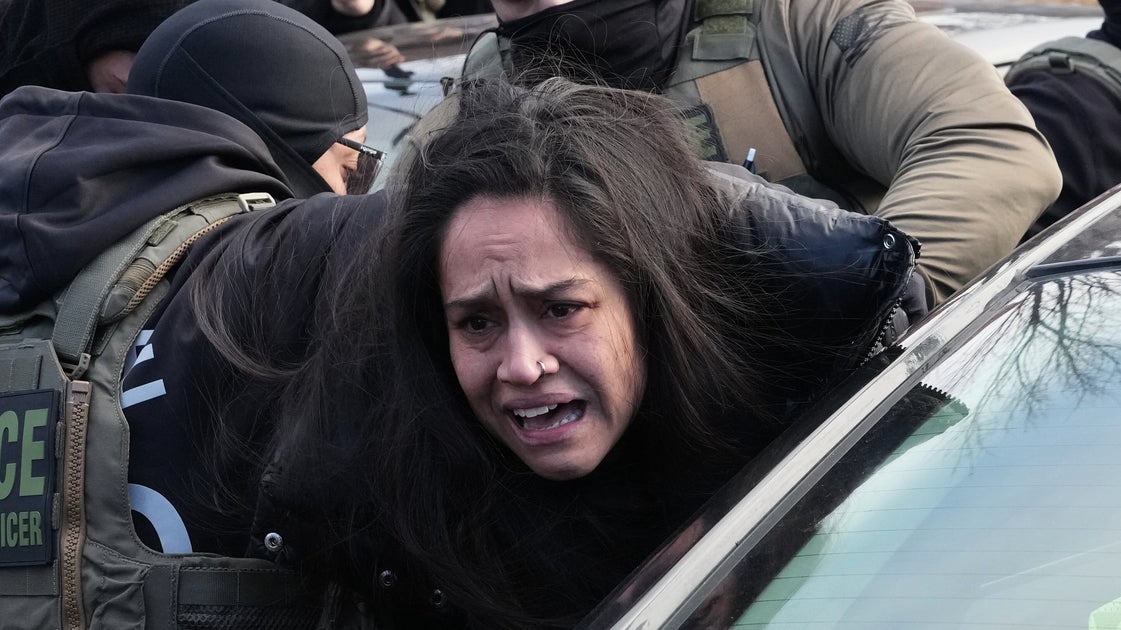
The lawsuit includes eight counts against the U.S. government, including assault, battery, false arrest, false imprisonment, negligent supervision, and negligence. Footage of the initial encounter, which went viral, shows agents smashing Rahman’s car window and dragging her from the vehicle, according to HuffPost.
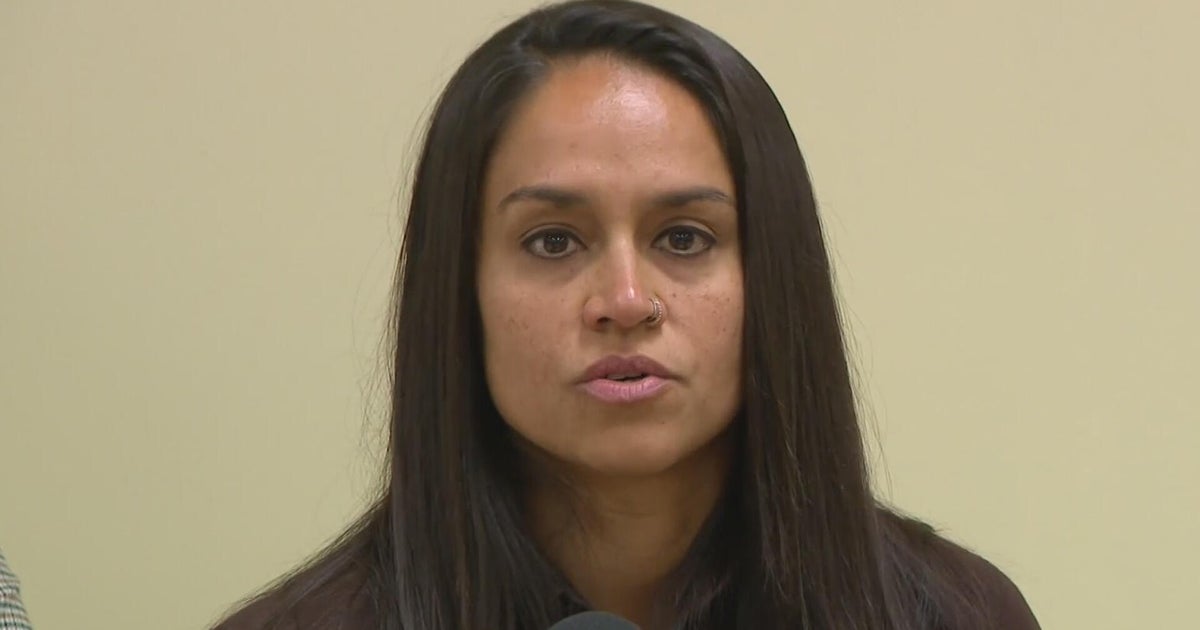
Rahman alleges that while she was held at the Bishop Henry Whipple Federal Building at Fort Snelling, officers ignored her requests for medical assistance and accommodations related to her disabilities. CBS News reported that Rahman eventually lost consciousness during her detention. The lawsuit further claims that federal agents did not call 911 for 30 minutes while a cellmate begged for help.
“I am one of many who have been impacted by this government’s vile abuse of power,” Rahman said in a Tuesday statement. “And while this lawsuit stems from what happened in January, the terror did not start there and has not stopped.”
While Rahman has testified before Congress regarding the violence she endured, she still does not know the names of the ICE agents involved in her arrest, HuffPost reported.
The context of Operation Metro Surge
The incident took place during a period of heightened enforcement known as Operation Metro Surge. HuffPost reported that during this operation, thousands of ICE agents were deployed to Minnesota with the goal of targeting undocumented immigrants, though the campaign resulted in many Black and brown individuals being targeted regardless of their citizenship status.
The operation also had fatal consequences for others. According to HuffPost, the enforcement surge led to the fatal shootings of two American citizens, Renee Good and Alex Pretti.
The Department of Homeland Security has responded to the legal action. In a statement obtained by CBS News, the agency said, “We are aware of the lawsuit and look forward to vigorously defending ourselves in court.” While DHS previously claimed that allegations of Rahman being denied medical care were false and stated she was arrested for obstructing federal officers, CBS News noted that Rahman was never criminally charged.
Legal battles over immunity and accountability
A central point of contention in the upcoming litigation involves whether federal agents can claim immunity for their actions. Jessica Gingold, senior counsel at the MacArthur Justice Center, challenged the notion that agents possess absolute immunity for their conduct in Minnesota, telling reporters that the lawsuit aims to identify the specific individuals responsible.
“The idea that they have absolute immunity is just patently false,” Gingold said, as reported by HuffPost.
Rahman expressed that the trauma of the event has fundamentally changed her life. She told CBS News that she expects to deal with lasting injuries from the encounter for the rest of her life.
The federal government has 60 days to respond to the lawsuit filed in the District of Minnesota.

North Dakota 2026 Deer Season Begins With Record-low License Counts
North Dakota deer season begins with record-low license counts North Dakota’s 2026 deer season officially opened at noon...

International Western Music Association Convention Begins in Albuquerque
The International Western Music Association begins a five-day convention in Albuquerque this week, bringing a global community of...

Trenton Officials Await Legal Decision on Early Voting for Mayoral Runoff
The Mercer County Board of Elections is waiting on a decision from state attorneys regarding whether residents can...

Manchester United Face Napoli Competition for Monza Striker Gustavo Varela
Manchester United faces a new obstacle in its search for offensive reinforcement as Napoli enters the race for...