Driven to Serve: One of Three Women Among 72 Army Corps Emergency Operators
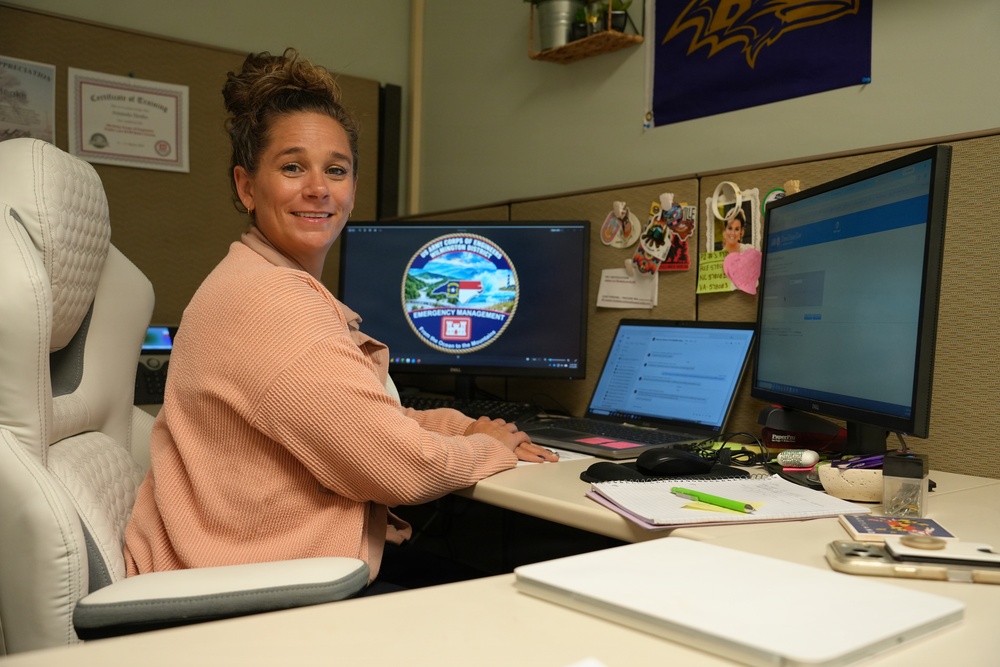
“I wanted to be a part of something bigger and be able to assist and help where I was needed,” Amanda Henke said. The emergency management specialist with the U.S. Army Corps of Engineers’ Wilmington District has earned her qualification as a Deployable Tactical Operations System (DTOS) operator, a specialized role that places her among just 72 trained personnel across the entire USACE enterprise, only three of whom are women, DVIDS reported.
Henke’s addition matters because DTOS vehicles serve as mobile command centers when disaster strikes and local infrastructure fails. These units provide mobile office space and operational capabilities that support USACE emergency response missions when existing facilities are damaged, inaccessible or otherwise unavailable. The vehicles can be deployed throughout the United States and overseas, giving personnel the resources necessary to establish and sustain field operations in the critical early hours of a crisis.
Her path to the qualification began with an existing skill set: Henke already held a commercial driver’s license from her work coaching lacrosse at North Brunswick High School and driving activity buses for Brunswick County Schools. “I figured why not put my qualifications as a bus driver towards my career and expand my capabilities,” she said. Her interest in the DTOS program developed through her experience supporting emergency response operations, including Hurricane Helene, where she observed firsthand the role DTOS teams play in establishing operational facilities when communities need them most.
From School Bus to Storm Front
Earning the DTOS qualification required far more than holding a CDL. Operators must complete Civil Level I and DTOS Level II training while maintaining a Class B CDL with an air brake endorsement. Depending on class size, the specialized DTOS course usually spans two to four days and introduces participants to the vehicle’s mechanical, electrical and communications systems. Trainees are required to show they can inspect, maintain, troubleshoot and operate the equipment in coordination with the DTOS management team.
For Henke, the mechanical components presented the greatest learning curve. “I know how to change my own oil and tire, but knowing what the actual parts are under the front of a diesel vehicle is something completely different,” she said. “It’s all about getting a method that works for you and following it.” Her training involved realistic deployment exercises featuring vehicle inspections, equipment preparation for deployment and a 200-mile round-trip drive to demonstrate operational readiness.
Terrell Bosarge of the USACE DTOS program noted that Henke tackled the training with meticulous attention and an eagerness to learn. “She did very well,” Bosarge said. “She was very attentive and thorough through the training.”
The enterprise-wide DTOS program relies on primary and backup two-person teams to support emergency response missions. Having enough qualified personnel on hand offers flexibility when operators cannot be present and enables the program to maintain prolonged deployments via 30-day team rotations. Henke’s qualification adds another trained operator to this rotation pool, strengthening the Corps’ ability to keep mobile command centers running during lengthy recovery operations.

Jeff Harilson, an emergency management specialist who supports the DTOS program, stated that the USACE enterprise currently counts 72 qualified DTOS operators, with just three being women. By earning her qualification, Henke joins that select group and enlarges the roster of trained personnel who can aid emergency response missions.
Beyond transporting and operating the DTOS vehicle, Henke’s background in emergency management provides an additional layer of capability. Her knowledge of emergency response procedures and Planning and Response Team operations could enable her to help with additional mission needs after her main DTOS duties are fulfilled. “Not only can I assist by getting the office space there for others to work out of, but I can also support using my knowledge through EM when I get there,” she said.

While Henke has not yet been deployed in her qualified DTOS operator capacity, she has already come back for further maintenance and familiarization tasks. To keep her qualification current, she must maintain ongoing proficiency with the vehicle and its systems, plus fulfill periodic maintenance and driving obligations to stay prepared for the next deployment.
For Henke, the accomplishment represents another step in an ongoing commitment to professional development and service. “I don’t think you should ever get comfortable enough to stop learning,” she said. “The more tools you have the better member of a team you can be.” Looking forward to her first deployment as a DTOS operator, she hopes her experience encourages others to explore opportunities beyond their everyday responsibilities. “Learn as much as you can and never stop learning,” she said. “If you have a goal outside of your line of work pursue it even if that means giving up your own personal time. Nothing is too big or out of reach.”
Worth a look

First Presbyterian Church in Frankfort Worships elsewhere as tower is unsafe
"We also knew it was time to do something about it when pieces of brick would kind of...

New Orleans Mother Slams KIPP Morial After Viral Bus Bullying Video
Dionne Conerly is weighing whether to take her son's beating to the New Orleans Police Department after a...

Kansas Triggers Close-Race Audits for Six Statewide and Local Contests
Kansas will hand-recount ballots in 10 percent of precincts across six races decided by less than 1 percent...

Rockford IceHogs Look to even season series with Iowa Wild
Rockford IceHogs Look to Even Season Series with Thursday Morning Clash in Des Moines The Rockford IceHogs head...