
Minotaur, the latest film from acclaimed director Andrey Zvyagintsev, confronts the realities of modern Russia following a grueling personal and political upheaval.
The Guardian reported that the 62-year-old auteur nearly died during the Covid-19 pandemic, spending 40 days in an induced coma before choosing exile rather than returning to a country at war.
Zvyagintsev lives out of a suitcase in a central London hotel, grappling with precarious health stemming from his 2021 illness. According to The Guardian, the director suffered 92% lung damage and spent 11 months in hospitals across Wiesbaden and Hanover.
Yahoo reported that Zvyagintsev contracted Covid in 2021, losing more than 90% of his lung capacity alongside other severe complications. Andrey Zvyagintsev said that upon waking from his medically induced coma in Germany, he discovered that Russia had invaded Ukraine.
“My first thought was that it was no longer my country. That I must now live in a different country,” Zvyagintsev told The Guardian.
Adapting Chabrol Against a Wartime Backdrop
Loosely adapted from Claude Chabrol’s 1969 thriller La Femme Infidèle, Minotaur follows a businessman named Gleb, played by Dmitriy Mazurov, who suspects his wife of having an affair while facing pressure to sacrifice fourteen employees to fight on the frontline. Slant Magazine reported that the story is set in 2022 and depicts Russian sociopolitical conditions through an uncompromising lens.

Zvyagintsev originally attempted to produce the adaptation in 2018 but failed to secure the necessary rights. Looking back on the delay, the director said that the project would have lacked its vital historical context without the subsequent outbreak of war.
“The film would have been completely different if we made it back in 2018,” Zvyagintsev told Yahoo Entertainment.
Shot in Latvia with French funding, Minotaur premiered at the Cannes Film Festival, where it was awarded the Grand Prix. Aurora Sentinel said that Zvyagintsev took the stage at Cannes to call on Vladimir Putin to stop the war, stating that millions on both sides share a single dream for the killings to end.
Life as Foreign Agents
In September, Russia’s Justice Ministry designated Zvyagintsev as a “foreign agent” for allegedly spreading disinformation. The Guardian reported that the director now faces potential arrest and imprisonment if he returns home.
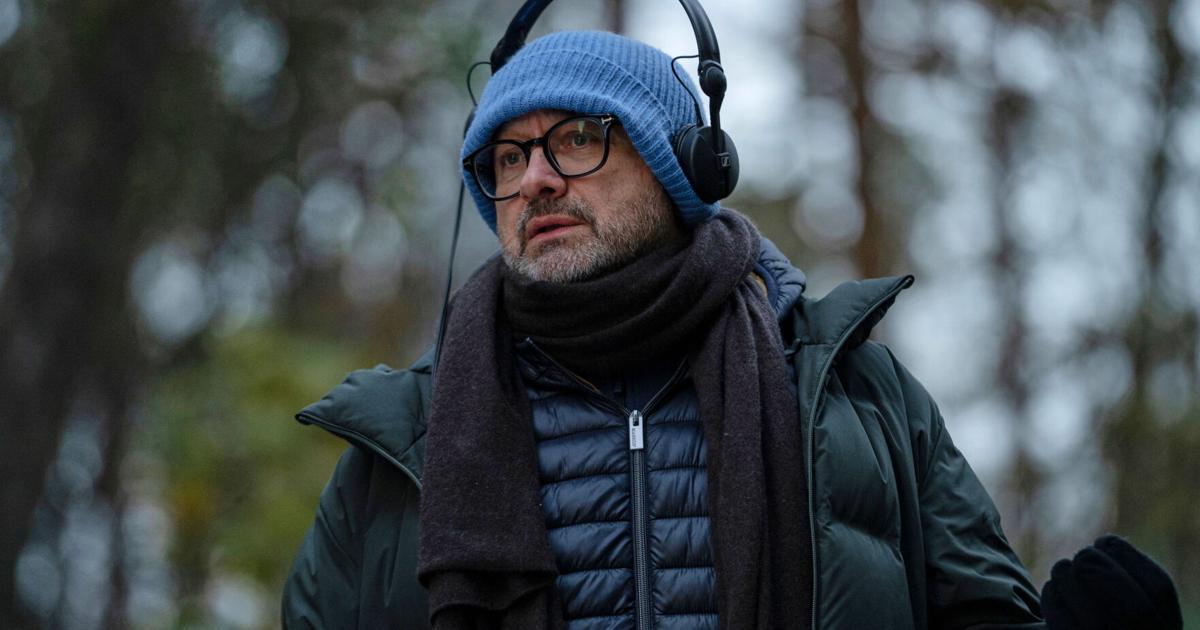
Despite these pressures, the film has been selected as France’s official submission for the Academy Awards. Zvyagintsev relocated to Paris with his wife, Anna, and teenage son, Pyotr, choosing France because its laws protect directorial final cut.
“Returning to life taught me: I want to be faster now. Postponing is no longer for me. One after another,” Zvyagintsev said, according to Associated Press reporting published by Union-Bulletin.
Minotaur is scheduled for release in the United Kingdom on November 27.
Andrey Zvyagintsev was born in Novosibirsk, Siberia, in 1964 and trained as an actor, graduating from the local theater school in 1984. He worked on stage and screen for nearly a decade before turning to directing, first for television and then for feature films.
His debut, The Return (2003), won the Golden Lion at Venice, and subsequent works — Leviathan (2014) and Loveless (2017) — earned Best Screenplay and the Jury Prize at Cannes, with both representing Russia at the Academy Awards. Minotaur, shot in Latvia in late 2025, is his first film produced entirely in exile.
Disclaimer: The cultural analyses and financial data presented in this article are based on available public records and industry metrics at the time of publication.

Jennifer Lawrence Ranks Chris Pratt Worst Onscreen Kiss on WWHL After Host Corrects Order
Jennifer Lawrence ranked Chris Pratt as her worst onscreen kiss during a Thursday appearance on Watch What Happens...

Gilligan Recoils at Bedsheet Habits, Housing Precarity; Cooper Interviews Martin
Newstalk’s Andrea Gilligan recoiled at the microbiology of unwashed guest sheets on Monday, then steadied herself for a...
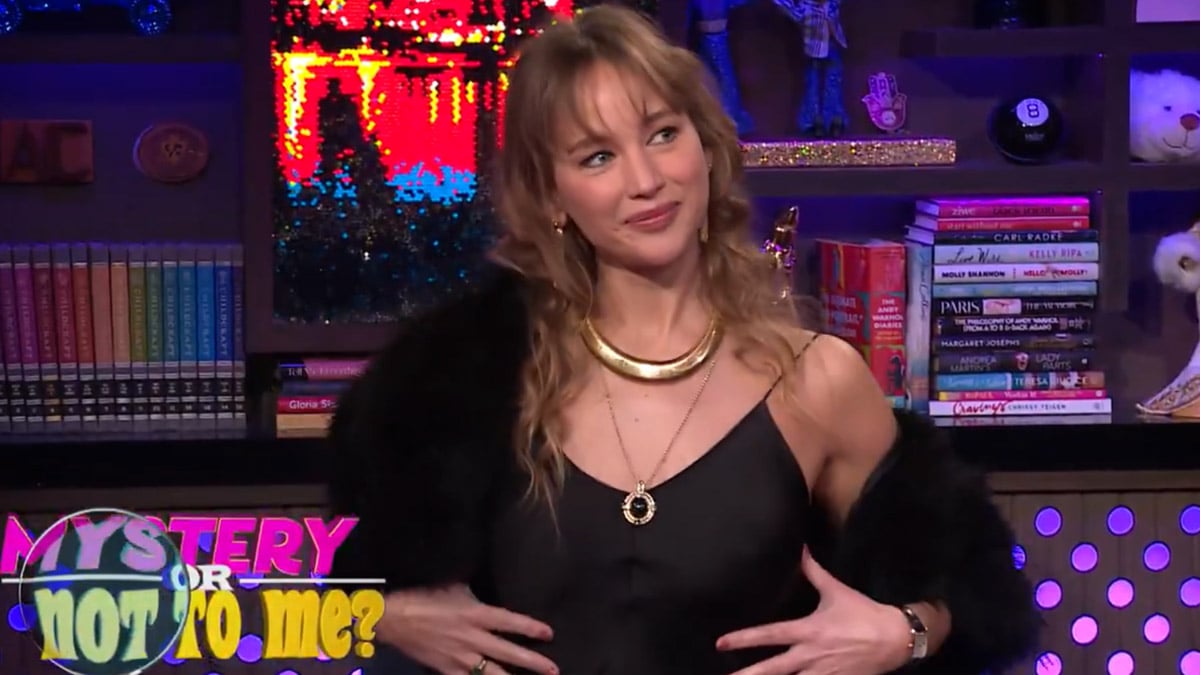
Jennifer Lawrence Reveals Breast Implants, Names Surgeon Dr. Steven Teitelbaum on Watch What Happens Live
Jennifer Lawrence confirmed she has breast implants during a Thursday appearance on Watch What Happens Live, pulling down...

Diversity Art Exhibition by Four Offaly Artists Opens at Esker Arts
Four Offaly artists opened a joint show at Esker Arts in Tullamore on Saturday to a packed room,...