
El Niño Conditions and Yield Projections Shape South American Grain Markets
Global grain markets are reacting to a revised forecast out of Buenos Aires, where the Foreign Agricultural Service (FAS) of the US Department of Agriculture projects strong corn and wheat production for the 2026-27 marketing year, pointing toward potentially the second-largest export season on record for both commodities. Argentine corn production is now forecast at 62 million tonnes, marking a 1.5 million tonnes upward revision from the FAS mid-July projection. This anticipated harvest sits just 1 million tonnes shy of the record set last year.
Favorable soil moisture levels across most growing regions and incoming El Niño forecasts are actively shifting planting habits. Farmers are increasing the share of early-planted corn relative to late-planted corn. With corn planting roughly 35% complete, traders are eyeing strong export numbers. Argentina’s corn exports are projected to hit 43 million tonnes in 2026-27, an increase of 500,000 tonnes from 2025-26. While the United States and Brazil remain the top two global exporters, Argentina holds the third-position ranking.
Traditional Markets Seek Argentine Corn and Wheat
Traditional buyers will continue to anchor demand. Key destinations for Argentine corn include Vietnam, Malaysia, and the Philippines, alongside secondary purchasing markets in Algeria, Egypt, Morocco, Peru, and Chile.
The FAS reported that market contacts currently anticipate strong demand for Argentine corn in the coming marketing year, particularly if Russia’s war in Ukraine war continues to disrupt competing supplies, and that buyers in traditional markets are expected to continue valuing the quality of its corn.
Wheat is following a similarly resilient trajectory. The FAS has pegged the 2026-27 wheat production forecast at 23 million tonnes, which is 1.4 million tonnes above the mid-July estimate. Favorable rainfall for the majority of the growing season drove these above-normal yields, though the harvest remains below last year’s record level of 28 million tonnes.
The main wheat harvest typically runs from mid-November in central Argentina to late December or early January in southern Buenos Aires Province. However, industry contacts warn that an unusually strong El Niño event could bring disruptive weather, potentially raising quality concerns during harvest operations. Wheat exports are consequently forecast lower year-on-year at 17 million tonnes, which includes wheat flour converted to grain equivalent.

Brazil and Asian Markets Import Argentine Wheat
International buyers continue to seek out South American alternatives as regional shortfalls develop. Alongside ongoing supply pressures originating from the Black Sea conflict, neighboring Brazil is expected to pull in higher-than-normal shipments of Argentine wheat due to its own production shortfalls.
Other major export destinations for Argentine wheat span Southeast Asian markets—particularly Indonesia, Vietnam, and Bangladesh—as well as African importers such as Algeria, Morocco, and Angola.
Barley paints a different picture for the 2026-27 cycle. Production has been revised downward to 4.8 million tonnes, with average yields tracking about 20% below the unusually high 5.6 million tonnes harvested last year. Excessive rainfall and heavy soil moisture between May and July complicated early crop establishment. Total barley exports are forecast at 3.3 million tonnes, with Brazil stepping in to import significant volumes of malting barley to offset its own rain-damaged domestic crop.
Worth a look

Netanyahu bloc on track for 53 seats in Israeli election
Benjamin Netanyahu has secured the support of an unexpectedly clear majority of Israeli Jews in an election that...

Viable Explosive Device Discovered at Derry Hotel During Halloween Celebrations
Derry Hotel Evacuated After Viable Postal Device Triggers Controlled Explosion A suspicious postal package delivered to a hotel...
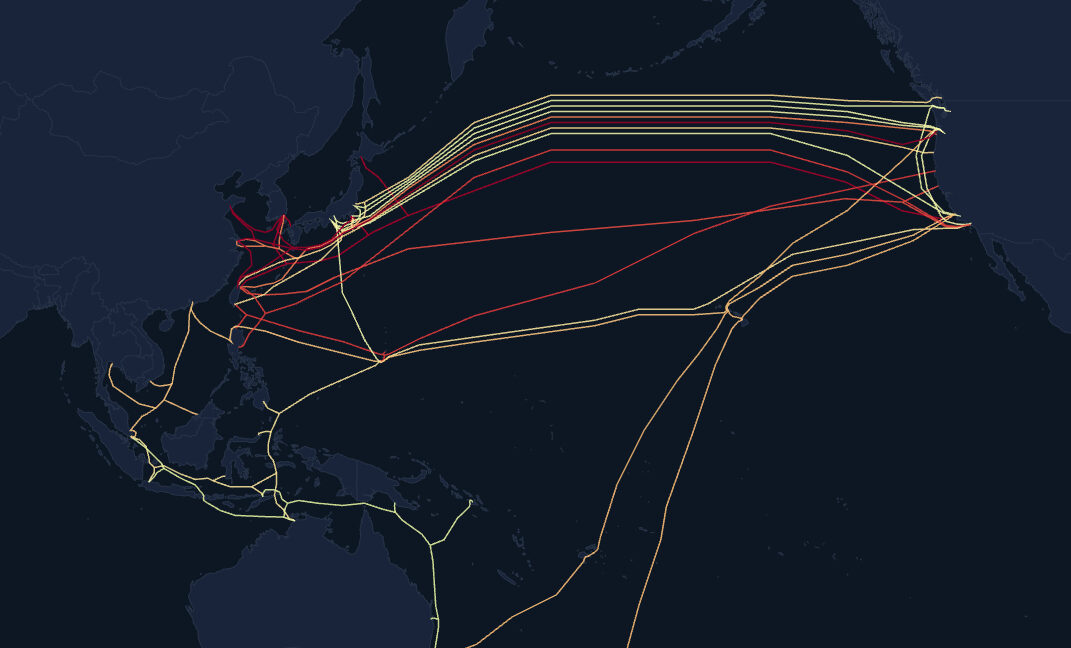
Ars Technica: Trans-Pacific Cables Face High Sabotage Risks
Trans-Pacific Internet Infrastructure Faces Severe Sabotage Threats Trans-Pacific subsea internet cables linking the United States to Taiwan, Japan,...

Spain Train Crash: At Least 10 Dead After High-Speed Collision in Toledo
Tragedy Strikes Madrid-Seville High-Speed Line as Rear-End Collision Kills Ten Ten people are confirmed dead and 176 injured...