
Benjamin Netanyahu has secured the support of an unexpectedly clear majority of Israeli Jews in an election that serves as a referendum on his leadership during a multi-front war, ensuring he remains prime minister at least in a caretaker capacity. With nearly 86% of votes counted as of Wednesday morning, Netanyahu’s bloc of right-wing, far-right, and ultra-Orthodox parties is on track to win 53 seats in the 120-seat parliament, according to reports from three main broadcasters.
This result leaves the opposition bloc, led by Gadi Eisenkot, with 48 seats. While Netanyahu has lost his majority, the path to unseating him is steep; the opposition would likely require the backing of Arab parties—a deal many Jewish leaders reject—to form a government. This outcome involves a leader who has hinted at a third bombing campaign against Iran alongside his close ally, U.S. President Donald Trump, who had called on Israeli voters to keep Netanyahu in power to “finish the job” in Iran.
Netanyahu and Trump Signal Escalation Against Iran
Addressing supporters in Jerusalem after 3 a.m. local time, Netanyahu called for a “strong government of the right” and explicitly linked his survival to a shared mission with the United States. He stated that Israel faces a “singular historical opportunity” to remove the existential threat of Iran “once and for all” alongside President Trump. RTÉ reported that Netanyahu hinted he is prepared for a third bombing campaign against Iran.
President Trump endorsed the result, claiming his support “helped him a lot.” Trump suggested that “It might be winning or tie.”
The Deadlock in the Knesset
Despite the lead, the math for a stable government is precarious. The election saw a high participation from Israelis of Arab descent, who are on course to win 17 or 18 seats. This high turnout was driven by what candidates like Faten Gattas of the Joint List describe as a refusal to accept “occupation and racism.”

The current seat distribution creates a volatile stalemate:
- Netanyahu Bloc: 53 seats (Right-wing, far-right, ultra-Orthodox)
- Eisenkot Bloc: 48 seats
- Arab Parties: 17 or 18 seats (Joint List and others)
If the opposition breaks pre-election vows to avoid working with Arab parties, they could potentially remove Netanyahu. Conversely, analysts suggest the possibility of a unity government between the pro-Netanyahu and opposition blocs that excludes both Arab parties and the ultra-Orthodox.
Gadi Eisenkot Urges Netanyahu to Retire
Gadi Eisenkot, who lost a son and two nephews in the Gaza war, urged Netanyahu to retire, claiming the prime minister has lost the public’s trust.
A Permanent Shift Toward Jewish Nationalism
This election marks the first since the October 7, 2023, Hamas attacks, which killed around 1,200 people and saw over 250 abducted. The subsequent war in Gaza has resulted in the deaths of more than 74,500 Palestinians, according to the Palestinian Ministry of Health. Netanyahu himself faces corruption charges in Israel and is wanted by the International Criminal Court for war crimes—charges he dismisses as an “establishment plot.”
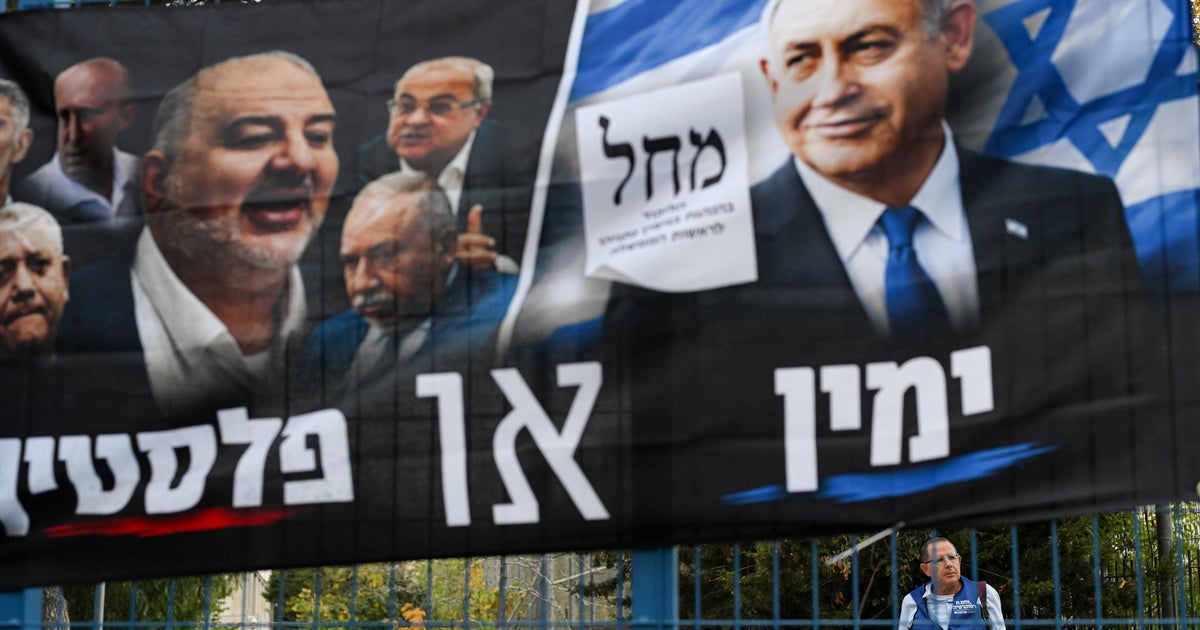
However, the results suggest that Netanyahu’s brand of unapologetic Jewish nationalism is now the Israeli mainstream. A clear majority of the voters supported ideologically right-wing parties, who hold perhaps 74 seats at present.
The Security Consensus Despite Political Divide
While the domestic battle is fierce, the gap between Netanyahu and Eisenkot on foreign security is narrower than their political rhetoric suggests. RTÉ reports that Eisenkot, despite his desire to rein in extremist settlers in the West Bank, remains hawkish; he opposes Palestinian statehood and insists that Hamas’ military wing must be destroyed. CNBC adds that both main blocs maintain comparable policies regarding the confrontation with Hezbollah in Lebanon and Iran, though an anti-Netanyahu government might review the specific strategy toward Tehran before escalating.
The divide is more social than strategic. Naftali Bennett, a leading opposition figure, highlighted a rift over military service, claiming the “alliance of those who served” had won against a government that shielded ultra-Orthodox Jews from service during Israel’s longest and bloodiest war.
Coalition Negotiations and the Risk of New Elections
Israel now enters a period of “dizzying twists” in coalition math. If neither side can build a majority, the country faces the prospect of another election—a scenario with significant precedent, as Israel held five elections between 2019 and 2022 due to deadlock.
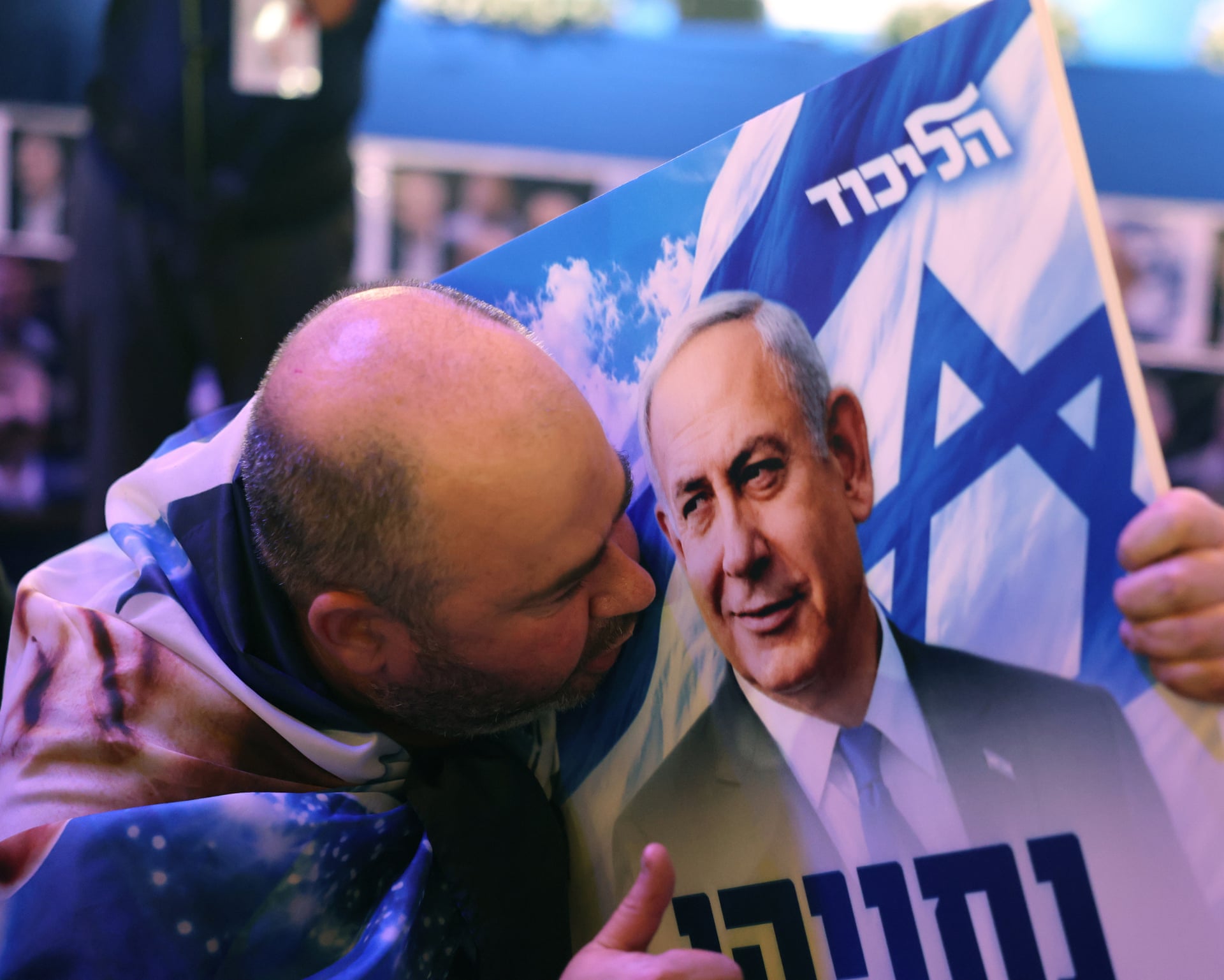
One possible path involves Arab leader Mansour Abbas, who RTÉ reports is open to working with Eisenkot. Arab politicians could potentially support a minority government through abstention or specific parliamentary votes without formally joining a coalition. However, Netanyahu allies, including Foreign Minister Gideon Saar, have called opposition victory claims “premature.”
The immediate next step is the finalization of the vote count and the start of formal negotiations to determine if a caretaker government can transition into a permanent coalition or if the nation will return to the polls.
Related reading

Pinglu Canal Projected to Cut China-ASEAN Logistics Costs by Up to 30%
The Pinglu Canal is projected to slash logistics costs for goods traveling between Southwest China and ASEAN nations...

Argentina Forecasts Strong Corn and Wheat Production for 2026-27
El Niño Conditions and Yield Projections Shape South American Grain Markets Global grain markets are reacting to a...

Viable Explosive Device Discovered at Derry Hotel During Halloween Celebrations
Derry Hotel Evacuated After Viable Postal Device Triggers Controlled Explosion A suspicious postal package delivered to a hotel...
Ars Technica: Trans-Pacific Cables Face High Sabotage Risks
Trans-Pacific Internet Infrastructure Faces Severe Sabotage Threats Trans-Pacific subsea internet cables linking the United States to Taiwan, Japan,...