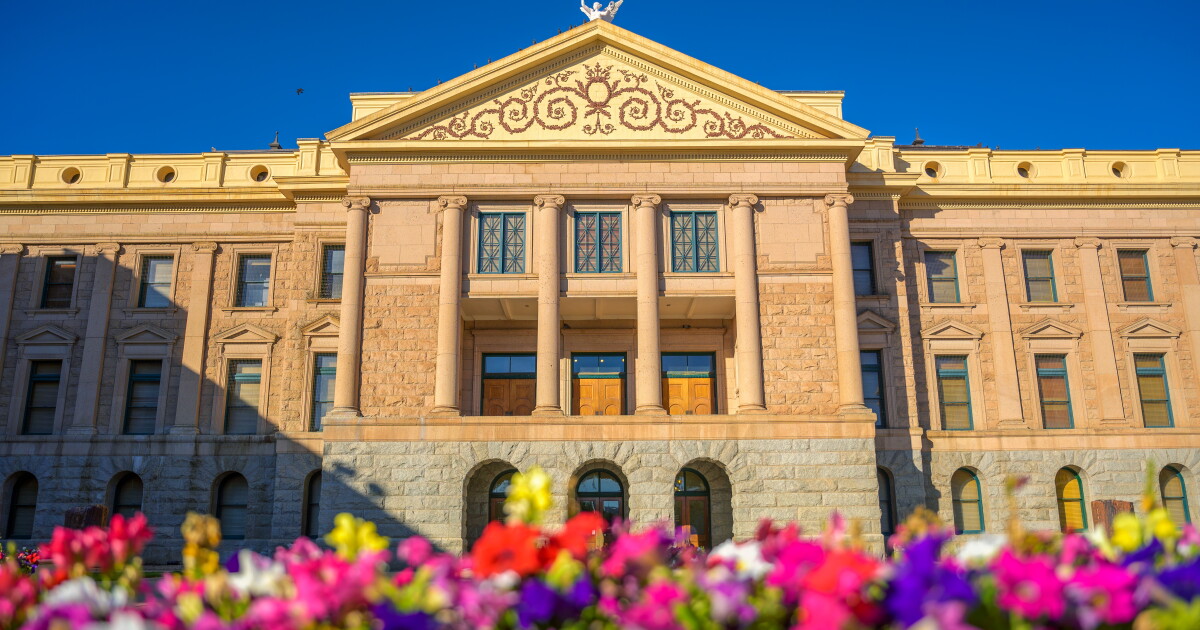
A New Era at the Arizona Capitol
For the first time since 1966, the political landscape in Arizona has shifted decisively. Democrats have secured control of the Governor’s Office and both chambers of the state Legislature, a transition that effectively ends decades of Republican dominance at the Capitol. As reported by KJZZ, Governor Katie Hobbs and her party now hold every primary lever of power, an outcome they are framing as a clear mandate from voters to reshape the state’s policy direction.
During her victory speech on November 4, 2026, Governor Hobbs emphasized a platform of affordability and stability, highlighting goals like lower living costs, improved school funding, and secure borders. Yet, the transition from campaign rhetoric to legislative reality presents a complex challenge. With the state government now fully under Democratic control, the focus shifts to how quickly, and in what manner, they intend to implement an agenda that was, until recently, largely blocked by a Republican-led Legislature.
Revisiting the School Voucher Debate
High on the list of priorities is the Empowerment Scholarship Account (ESA) program. Since 2023, Governor Hobbs has sought to reform the initiative, which saw a massive expansion in eligibility under the previous Republican administration. Enrollment in the program has surged to approximately 110,000 students, with costs exceeding $1 billion annually. While the governor previously pushed for a full rollback, her current position focuses on curbing what she describes as waste and abuse within the system, alongside a push to redirect significant funding toward public schools.
The economic stakes are significant. Supporters argue that the current trajectory of the ESA program is fiscally unsustainable, while proponents of the vouchers maintain that the program provides essential educational choice for families. The challenge for the new majority will be balancing these competing visions without alienating the broader electorate.
The Financial Hurdles to Reform
Translating policy into practice requires more than just legislative control; it requires a budget. Arizona has faced recent fiscal shortfalls, and any effort to expand services—such as universal childcare or housing assistance—will face immediate, practical barriers. Currently, the state’s Department of Economic Security reports that over 15,000 children are on a waiting list for childcare assistance, a figure that underscores the scale of the demand.
However, funding these initiatives is not as simple as increasing tax revenue. Arizona law requires a supermajority vote for tax increases, a threshold that Democrats are unlikely to meet. This reality forces the party to navigate a narrow path: they must find ways to fund their priorities within existing revenue streams or risk the same legislative gridlock that defined the previous four years.
“Those dollars have to come from someplace, so the Legislature is going to have to get creative in figuring out how to actually get that revenue,” said former state lawmaker Reginald Bolding.
The Risk of Political Whiplash
Republican lawmakers are watching this transition closely, questioning whether the new majority will pursue a moderate path or attempt a rapid transformation of state law. Rep. Justin Wilmeth, who is on track for re-election, suggested that an aggressive, immediate overhaul could lead to political blowback. He warned of the potential for a “sticker shock” that might alienate voters who, while dissatisfied with the status quo, may not be prepared for a total reversal of Republican-led policies like the flat income tax.

Adding to the tension is the push from labor unions to reinstate a prevailing wage in Arizona, a move that would require navigating a 1984 ballot measure that currently bans such enforcement. Whether the new leadership will attempt to put this question back to the voters remains an open, and likely contentious, question.
As January approaches, the Democrats face the burden of proof. They have successfully argued for a change in vision, but the legislative session will test whether that vision can survive the realities of a state where, despite this election’s results, Republicans remain a significant force. The electorate will be watching to see if the new power structure leads to substantive change or if the friction of governance proves as difficult to overcome as the political obstacles of the past.
Related reading

Pepsi-Cola Drivers in Atlanta and Lithonia Authorize Strike via Teamsters Local 528
Pepsi-Cola Drivers in Georgia Vote to Authorize Strike More than 100 Pepsi-Cola drivers across facilities in Atlanta and...
Turning Awareness Into Action: How the No More Campaign Challenges Alabama’s Prison System
The Cost of Secrecy in Alabama’s Prisons More than 1,500 people have died in Alabama’s state prisons since...

TV Crew Followed Cheyenne Wreckers During Record 100-MPH Windstorm
When 100-MPH Winds Meet Reality Television Cameras “There’s more bodies, there’s more equipment, there’s more lives at risk...

The Allure of Scary Stories: Why We Need the Supernatural to Talk About Life and Death
The Unlikely Utility of a Good Scare As the nights grow longer and the decorations of the season—witches,...