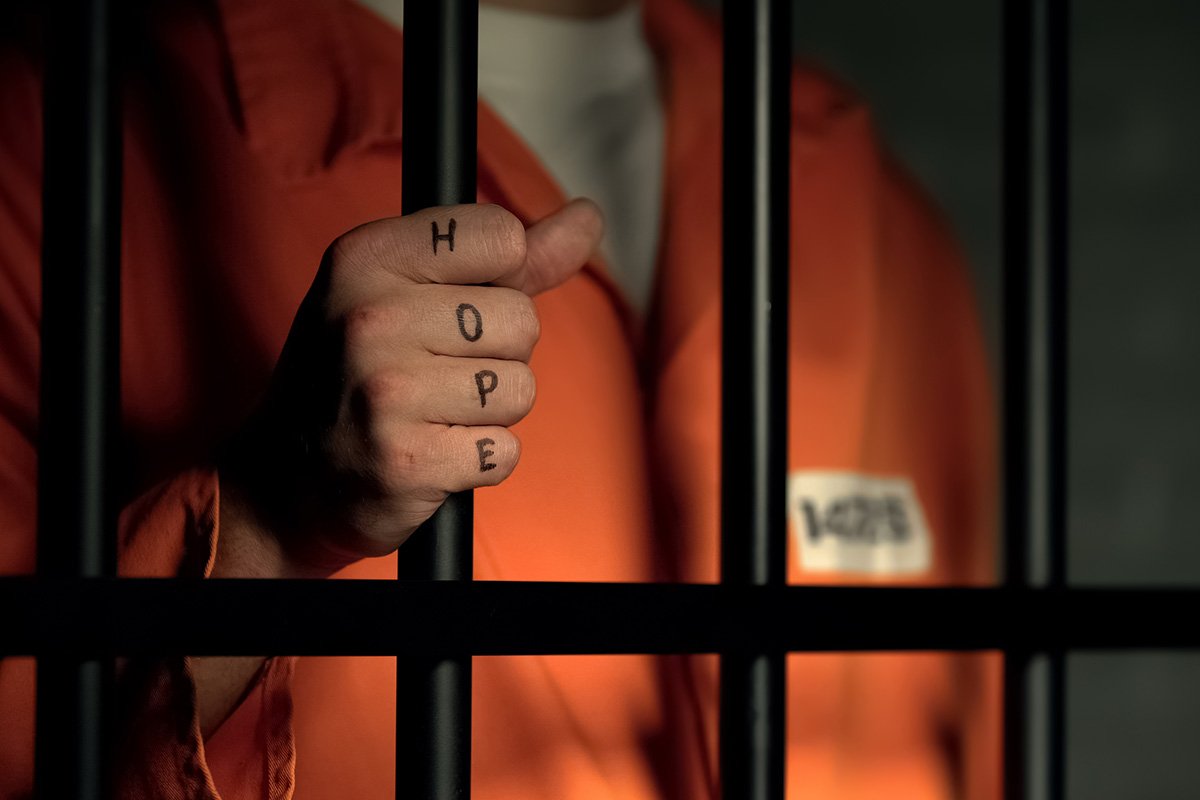
The Cost of Secrecy in Alabama’s Prisons
More than 1,500 people have died in Alabama’s state prisons since the Department of Justice first declared the system unconstitutional in 2019. In the years that followed that federal assessment, the state’s prison mortality rates have remained staggering: homicides inside Alabama facilities are more than seven times the national average, while overdose deaths occur at a rate 13 times higher than the statewide average for the general population. These figures are not mere statistics; they are the documented reality of a system that has long operated under a veil of limited public oversight.
As Nonprofit Quarterly reported, this crisis persists even as Alabama directs massive financial resources toward the construction of new infrastructure. The state has budgeted over a billion dollars for a single new mega-prison, a move that critics argue prioritizes physical expansion over the fundamental reform of a system that already consumes nearly a quarter of the state’s general fund—a budget allocation that exceeds what Alabama spends on public health and mental health services combined.
The Fiscal Case for Reform
For years, advocates and families of the incarcerated have pushed for transparency, often facing significant institutional resistance. Recognizing that a moral appeal alone might not sway every stakeholder in a conservative-leaning state, organizers launched a campaign centered on a simple, adaptive phrase: “NO MORE.” This strategy was designed to bridge the partisan divide by focusing on the fiscal and administrative failures of the Department of Corrections.

The economic argument is stark. Before accounting for construction delays and cost overruns, the projected price tag for each bed in the planned mega-prison exceeds $300,000—a figure higher than the average cost of a home in Alabama. Furthermore, the state has paid out more than $68 million since 2020 in litigation, settlements, and defense costs related to allegations of abuse and unconstitutional conditions. As organizers point out, those funds represent a significant, missed opportunity for investment in addiction-treatment and community-based public safety initiatives.
Transparency and the basic safety of people in state custody can unite constituencies that disagree on much else.
This framing has successfully brought together a diverse coalition, including faith leaders, grieving families, and even conservative legislators. The goal was to transform public awareness into tangible political pressure. By creating tools for citizens to contact the Alabama Department of Corrections and state lawmakers directly, the campaign moved beyond the cinematic scope of the documentary The Alabama Solution and into the granular, often exhausting work of legislative advocacy.
Accountability in the Legislative Chambers
The impact of this sustained pressure is beginning to show in the halls of the Alabama State Legislature. Republican state Sen. Larry Stutts has publicly argued for independent prison oversight, framing it as an essential component of sound governance and religious duty. Such bipartisan interest in transparency signals a shift in how the legislature approaches its oversight responsibilities, even if systemic changes remain slow to materialize.
The urgency of these demands is underscored by the current legal landscape. The Department of Justice is now seeking a summary judgment against the State of Alabama and the Department of Corrections in its six-year lawsuit. This 260-page motion, bolstered by years of community testimonials and documented abuse, represents perhaps the strongest federal challenge to the state’s prison system to date. If successful, it would force a reckoning that the state has spent years attempting to avoid.
The Southern Warning
What happens in Alabama’s prisons is not an isolated regional failure; it is a preview of the consequences when public institutions operate without meaningful accountability. The South, which historically receives only a fraction of national philanthropic investment, often sees its systemic emergencies ignored until they reach a breaking point. Yet, as the recent push for reform demonstrates, the region is also home to some of the most sophisticated organizing against state-sanctioned violence.
For those watching from outside the state, the lesson is clear: visibility is not the same as achievement. While the campaign for “NO MORE” has generated millions of views and hundreds of press mentions, the organizers remain focused on the practical outcomes—independent oversight, protection for whistleblowers, and a fundamental shift in how public money is spent. The system remains, but the conditions within it are becoming increasingly difficult for officials to defend. The question that remains is whether the state will choose to address these systemic harms before the federal courts mandate the change for them.
Related reading
Pepsi-Cola Drivers in Atlanta and Lithonia Authorize Strike via Teamsters Local 528
Pepsi-Cola Drivers in Georgia Vote to Authorize Strike More than 100 Pepsi-Cola drivers across facilities in Atlanta and...
Arizona Democrats Seize Control of Capitol to Implement New Policy Agenda
A New Era at the Arizona Capitol For the first time since 1966, the political landscape in Arizona...

TV Crew Followed Cheyenne Wreckers During Record 100-MPH Windstorm
When 100-MPH Winds Meet Reality Television Cameras “There’s more bodies, there’s more equipment, there’s more lives at risk...

The Allure of Scary Stories: Why We Need the Supernatural to Talk About Life and Death
The Unlikely Utility of a Good Scare As the nights grow longer and the decorations of the season—witches,...