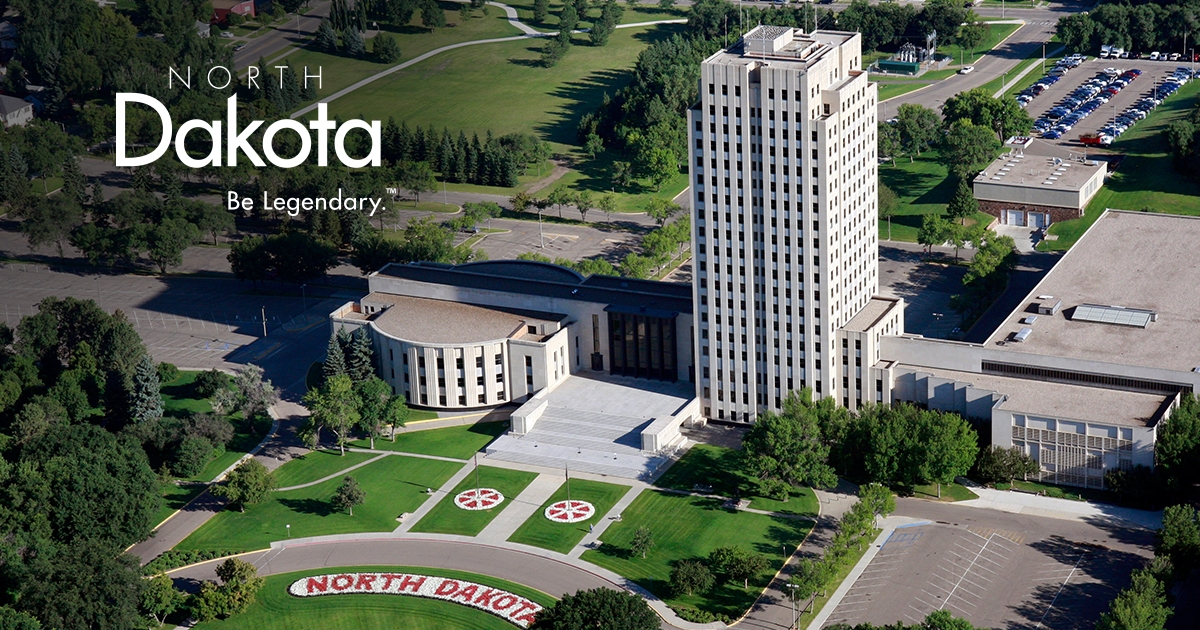
North Dakotans have until mid-December to apply for a seven-month seat on the State Board of Higher Education, the first of three openings Governor Kelly Armstrong will fill this cycle.
Timothy Mihalick of Minot steps down December 1 to take a seat in the North Dakota House of Representatives, cutting short a term that runs through June 30, 2027. His replacement will serve only those remaining seven months. At the same time, two full four-year terms begin July 1, 2027 — one for Mihalick’s seat, the other for Curtis Biller, who is completing his first full term.
“This board needs people who bring a statewide perspective and a desire to cut red tape to empower students and educators. I encourage North Dakotans from every corner of the state to consider applying,” said Bachmeier.
Applications due Dec. 18 and Jan. 15; Senate confirms in 2027
Applications for the partial term are due by noon Central time on Friday, December 18. Candidates for the two four-year terms have until noon on Friday, January 15, 2027. A single applicant may seek both the short stint and a full term; the screening committee evaluates each application separately, North Dakota Department of Public Instruction reported.
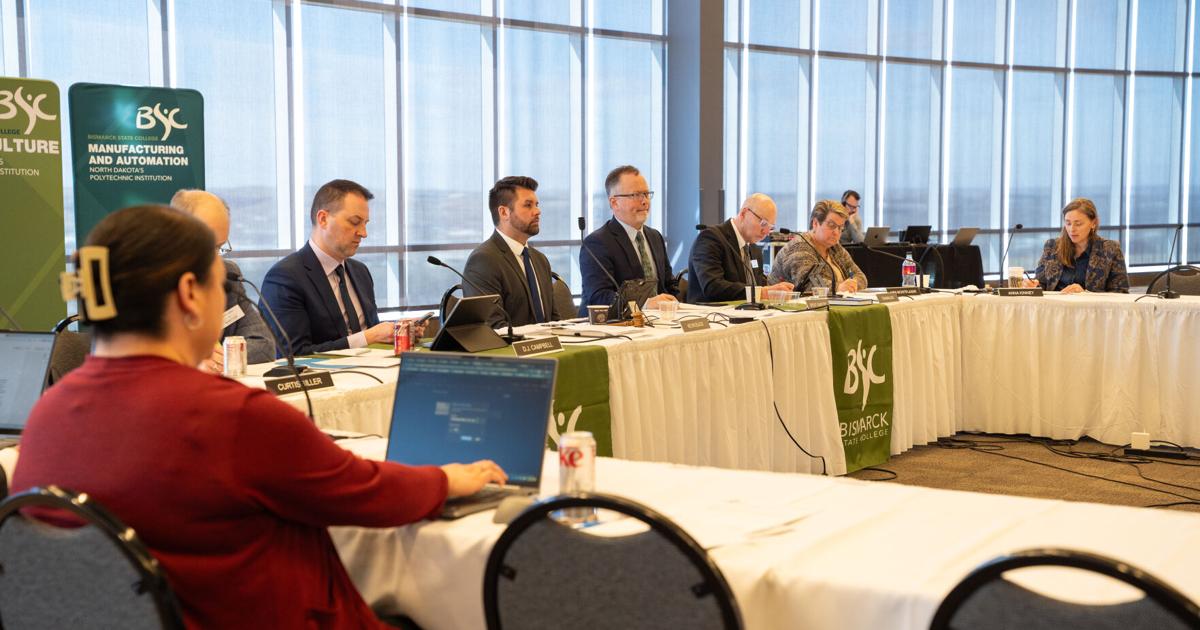
Every appointment requires confirmation by the North Dakota Senate during the 70th Legislative Assembly, which convenes in January 2027. That gives lawmakers a direct say over the board that governs the state’s 11 public colleges and universities — four-year campuses in Fargo, Grand Forks, Minot, Mayville, Valley City and Dickinson, plus two-year colleges in Williston, Bottineau, Bismarck, Wahpeton and Devils Lake.
Who can serve and how the process works
The rules are specific: applicants must have lived in North Dakota for the past five years and cannot have been employed or paid by the North Dakota University System during the previous two years. Each candidate submits a one-page application form, a résumé, and up to six reference letters.
Armstrong makes the final picks. The board itself carries eight voting members — seven citizen members serving staggered four-year terms and one student member serving a one-year term — plus two nonvoting advisers chosen by the Council of College Faculties and the university system’s Staff Senate.
“This board needs people who bring a statewide perspective and a desire to cut red tape to empower students and educators.”
The board’s reach extends beyond campuses. It also oversees the NDSU Extension Service, Agricultural Research Stations, Northern Crops Institute, State Forest Service and Upper Great Plains Transportation Institute — a portfolio that touches agriculture, natural resources and transportation logistics across the state.
The North Dakota State Board of Higher Education was established as the policy-making body for the North Dakota University System when that system was officially organized in 1990. Based in Bismarck, the board governs a network that includes two research universities, four regional universities, and five community colleges, a structure the material notes is unique among states for its terminology.
What the Bismarck Tribune added
The next move belongs to the screening committee, which will review submissions after the December 18 deadline and forward its recommendations to the governor’s office ahead of the 2027 legislative session.
Keep reading
- WA Lawmaker to Push Climate Act Billions for Roads Before New Driver Fees
- No. 4 SMU Opens Final Regular-Season Weekend at Virginia Tech with Program-Best Ranking, Nine-Match Streak
- RBA's Fifth Hike Adds About A$94 a Month on A$600,000; Three Voted to Hold (daybreakwire.com)
- Anthropic shares close 17% higher after record $107bn IPO (newsarchyuk.com)

WA Lawmaker to Push Climate Act Billions for Roads Before New Driver Fees
The Climate Commitment Act has pulled in more than $4.3 billion since its 2021 launch, yet drivers on...

No. 4 SMU Opens Final Regular-Season Weekend at Virginia Tech with Program-Best Ranking, Nine-Match Streak
No. 4 SMU opens the final weekend of the regular season Friday at Virginia Tech, carrying a nine-match...
Tulane’s Late Run Falls Short in 74-67 Loss at Louisiana Tech
Tulane surrendered 17 second-chance points on 23 Louisiana Tech offensive rebounds Thursday night, a margin that decided a...

Ihara, Sweeney Lead Richmond Women Past Delaware 77-68
Arisa Ihara posted her first collegiate double-double — 20 points and 10 rebounds — while Ally Sweeney paced...