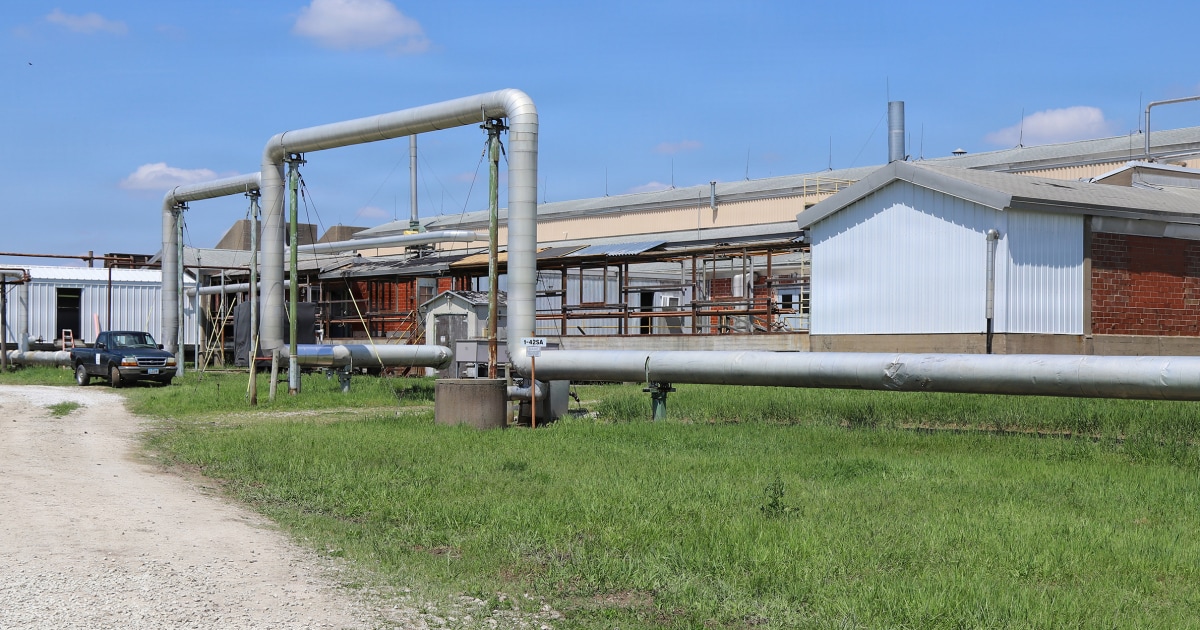
“The safety of our people and our neighbors is non‑negotiable,” Lt. Col. Daniel Nosse said in March when the Iowa Army Ammunition Plant paused operations and discovered degraded lead azide.
The U.S. Army plans to detonate about five tons of the bomb‑making chemical on Friday, sending a potential lead dust plume toward communities across southeast Iowa.
The Environmental Protection Agency approved an emergency permit on Nov. 13, requiring the Army to model air dispersion and give the public five days’ notice. That triggered Sunday’s advisory for residents as far as 100 miles away. Middletown, population roughly 400, sits closest to the plant; officials there recommend people leave Friday morning or shelter inside with windows shut.
Communities Scramble as Plume Maps Shift
Mediapolis, about 20 miles northeast, was asked last month to host soil, water and air testing but only learned Sunday it sat “dead‑center in the dust exposure area,” Deputy City Clerk Amy Stucker said. “This is probably a first for me. I believe it’s a first for a lot of our citizens. The biggest issue we’re having is the lack of information.”
The Mediapolis Community School District and public library will close Friday; the fire department plans to hose down playgrounds afterward. An updated map later moved Mediapolis out of the plume, but the district kept its closure, citing “uncontrollable variables.”
Danville Community School District also canceled classes Friday. Superintendent Pat Wallace said his initial plan was to stay open, but “there were enough uncertainties that made cancelling ‘the most responsible decision.’ I am not suggesting that the detonation will result in unsafe conditions. The reality is that we simply do not know exactly what conditions will look like Friday afternoon.”
Illinois environmental and public health officials have asked the military to conduct comprehensive sampling in their state after the blasts.
Why Detonation Became the Only Option
The lead azide had been stored for more than 20 years in earthen‑covered barrels submerged in an ethanol‑water bath to keep it stable, Justine Barati, public affairs specialist at the Army Sustainment Command, said.
Routine checks this year found water had evaporated, allowing the compound to crystallize and become “highly unstable and dangerous,” according to the EPA permit. Moving the barrels risked accidental detonation, a probability that rises in cold weather. “We’re really concerned about the weather situation,” Barati said. “We’re really concerned that it will detonate on its own.”
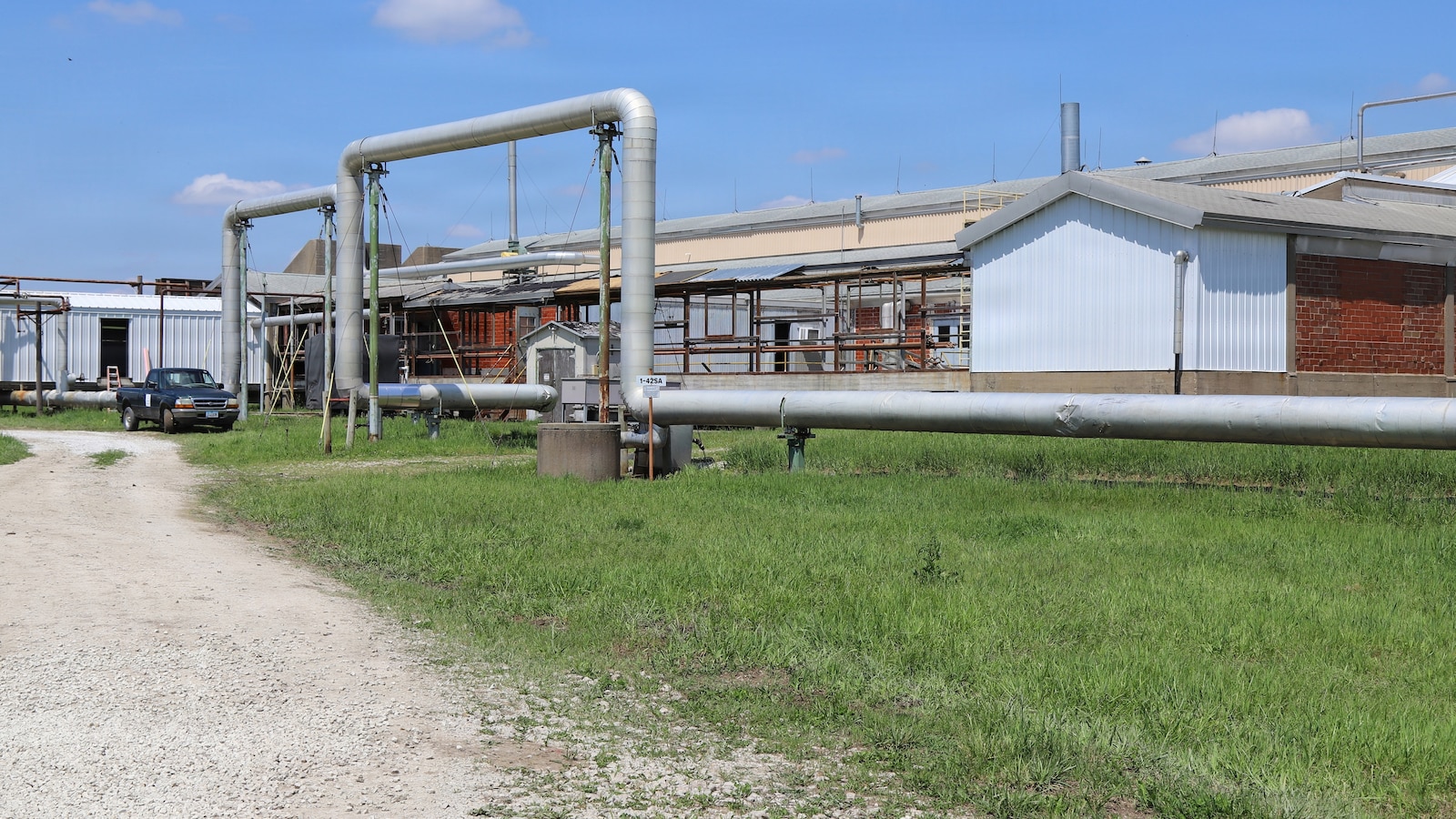
The Army assembled a panel of munitions chemists, engineers and environmental safety experts. The barrels will be surrounded by concrete, buried under soil and ringed by sand barriers two stories high. During the two blasts, water will be sprayed on the soil and the air misted to suppress dust, Barati said. The dust cloud is expected to linger no more than an hour, depending on wind.
Health Experts Watch for Lead Exposure
Patrick O’Shaughnessy, professor of occupational and environmental health at the University of Iowa, said the Army and EPA are doing what they can to minimize dust, but “it’s still unknown how much will end up in the atmosphere and on surfaces.”
Lead is a neurological toxicant that can impair brain development, especially in toddlers who put objects in their mouths. EPA documents show alternatives such as chemical neutralization were rejected because handling the drums increased the chance of a fatal accidental explosion.
🚨 TOO DANGEROUS TO MOVE. SO THEY'RE GOING TO BLOW IT UP NEAR HOMES AND CHILDREN'S PLAY AREAS. And the EPA approved it. On November 20, the U. S. Army plans to detonate deteriorating lead azide explosives at an ammunition plant in Middletown, Iowa. The Army says the explosives… pic.twitter.com/bTmcZ1ucdt
Gov. Kim Reynolds’ office received its first briefing on the public advisory Monday, her office said. The EPA will run a command center in Mediapolis to sample air, soil and water during and after the detonation; the city plans its own testing as well.
The detonation is scheduled for Friday morning. Residents are advised to wash vehicles and clean windowsills and outdoor surfaces afterward.
More on Daniel Nosse
Iowa Army Ammunition Plant detonates unstable lead azide in place creating toxic dust plumes that residents cannot fully avoid. On November 20, 2026, at approximately noon, the U. S. Army will conduct two controlled detonations of 68 barrels of degraded lead azide at the Iowa… pic.twitter.com/XLgK6fRqOZ
‼️The Army will set off two controlled detonations at the Iowa Army Ammunition Plant near Middletown on Friday, Nov. 20, to dispose of an old cache of lead azide. The Army found 68 barrels of the explosive that had been stored at the plant for more than 20 years. Lead azide… pic.twitter.com/BMWV9huBQ0
The U. S. Army will detonate degraded lead azide at the Iowa Army Ammunition Plant in Middletown, Iowa, on Nov. 20 at approximately 12:00 PM CST. Lead azide is a highly sensitive primary explosive used in detonators. The stockpile is 68 barrels that have sat at the plant for… pic.twitter.com/166lk6avjJ
Related reading

Burlington Diocese Urges Families to Ask Youth Where God Is Calling Them
“Speak, Lord, for your servant is listening,” the boy Samuel answered in the night, and the ancient text...

North Little Rock Parks Staffer Creates Free-Book Nook for Kids at Community Center
North Little Rock Parks and Recreation staffer Rachel Collins has turned a corner of the department’s office at...

VA Signs First Wyoming NADL Agreements With Wind River Tribes
The Department of Veterans Affairs (VA) Native American Direct Loan (NADL) program recently signed the first NADL Memoranda...

NDOT Begins Pilot Installing Retractable Bollards on Broadway
Nashville began threading steel barriers into Lower Broadway on Thursday, a physical answer to a crash that killed...