
Indiana Medicaid Chief Warns of Budget Pressures as Federal Fee Cuts Loom
Indiana’s top Medicaid administrator is sounding the alarm over federal funding changes that could punch a massive hole in the state budget by the next decade. Secretary Mitch Roob, who leads the Family and Social Services Administration, told state officials Tuesday that upcoming reductions to a critical hospital assessment fee will require proactive policy overhauls to avoid a severe fiscal crisis by 2032.
The warning centers on a federally mandated phase-down of the state’s hospital assessment fee, a tax levied by Indiana to leverage higher federal reimbursement rates for medical facilities. According to reporting by the Indiana Capital Chronicle, the Trump administration is pushing health care costs back onto state governments through a series of sweeping legislative shifts.
Last year’s federal legislation increases state financial shares for various aspects of Medicaid and food assistance programs. For Indiana, the primary vulnerability lies in the contraction of the hospital assessment fee, which currently sits at 6% but will be stepped down annually starting late next year until it reaches 3.5% by late 2031.
The Rising Stakes for State Purchasing Power
The numbers behind the impending policy shift reveal a stark financial challenge for state lawmakers. During the fiscal year ending in June, Indiana generated more than $2 billion through the 6% fee and associated intergovernmental transfers.
Under the reduced 3.5% rate mandated by the federal government, the state would have lost roughly $900 million—amounting to a 40% drop in collected revenue. When stacked against rising inflation, the state’s purchasing power is projected to decline precipitously over the next several years.
“Changes in the hospital assessment fee will have a material, but not catastrophic, effect on the budget,” Roob said during a quarterly financial meeting. “And we need to recognize that … this budget cycle and begin planning for that, so we don’t end up in a catastrophic situation in 2032.”
The Family and Social Services Administration administers these funds, utilizing a portion of the fee to finance the state’s share of the Healthy Indiana Plan. That expansion program currently provides coverage to hundreds of thousands of working-age adults who earn slightly too high an income for traditional Medicaid, alongside pregnant women and low-income caretakers.
Early Projections and the Search for Solutions
At Tuesday’s quarterly financial meeting, Roob revealed early state projections produced in partnership with consultant Deloitte. Those forecasts will undergo further refinement ahead of an upcoming budget presentation to state lawmakers.
The full Medicaid forecast is slated for release in December. Officials are working to map out the trajectory ahead of time, ensuring stakeholders understand the gravity of the incoming adjustments.
“In December, we’ll have a complete Medicaid forecast, but I don’t want to catch you all off guard because these numbers are more dire than I would like them to be,” Roob said. The data is available in the early projections published by the state administration.
Rather than attempting to balance the ledger through drastic reductions, Roob argued that the state cannot simply cut its way to solvency. Protecting current healthcare access will require rethinking how care is delivered altogether.
“We’ve got to find ways to deliver care less expensively, prospectively, than we are today,” Roob said. “We’ve got to find better care models. I don’t know what that is. But we have to develop that care model.”
Related reading

Building for Tomorrow is Better for Business Today – New York YIMBY
New York State is doubling down on a simple premise: building multifamily housing that barely touches the planet...
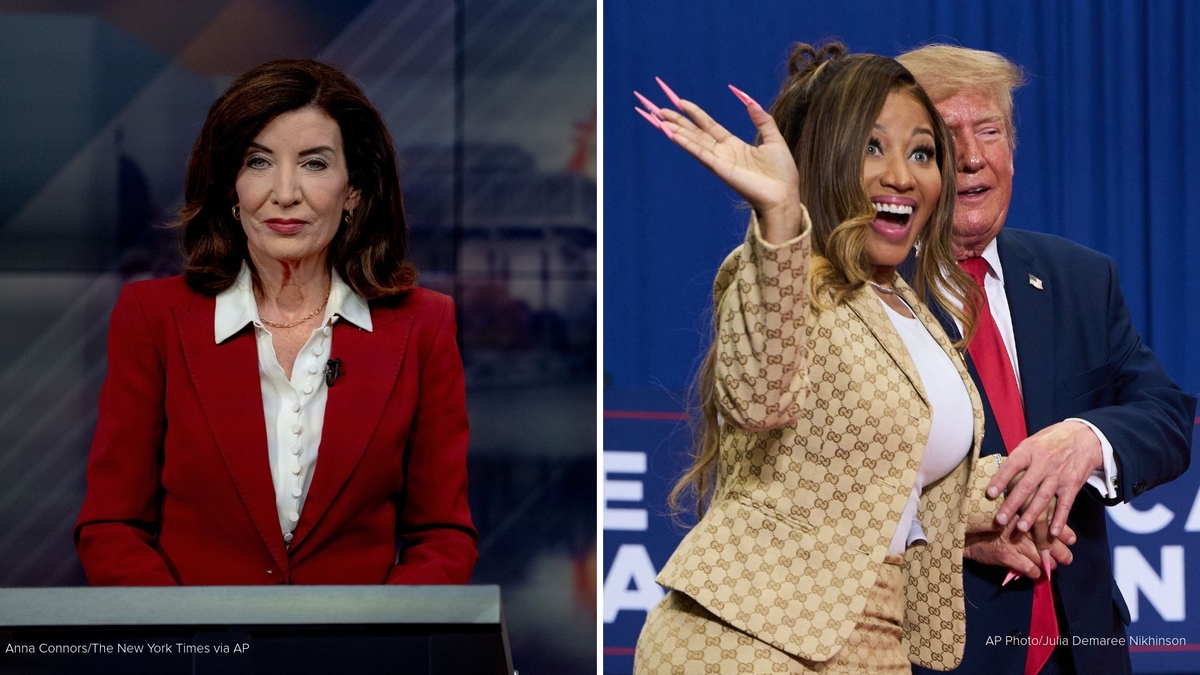
New York Governor Kathy Hochul responds after rapper Nicki Minaj calls her ‘evil
Rapper Nicki Minaj and New York Governor Kathy Hochul Trade Sharp Words in Final Days of Campaign New...

As Above, So Below Distillery | Santa Fe Spirits – New Mexico Magazine
Magic, Botanicals, and High-Rye Bourbon in Santa Fe Caley Shoemaker never expected a surplus of neighborhood fruit to...

Amick Farms expands South Carolina footprint with new Edgefield County operations
Amick Farms Invests $54.78 Million to Build Trenton Hatchery Amick Farms is expanding its South Carolina footprint with...