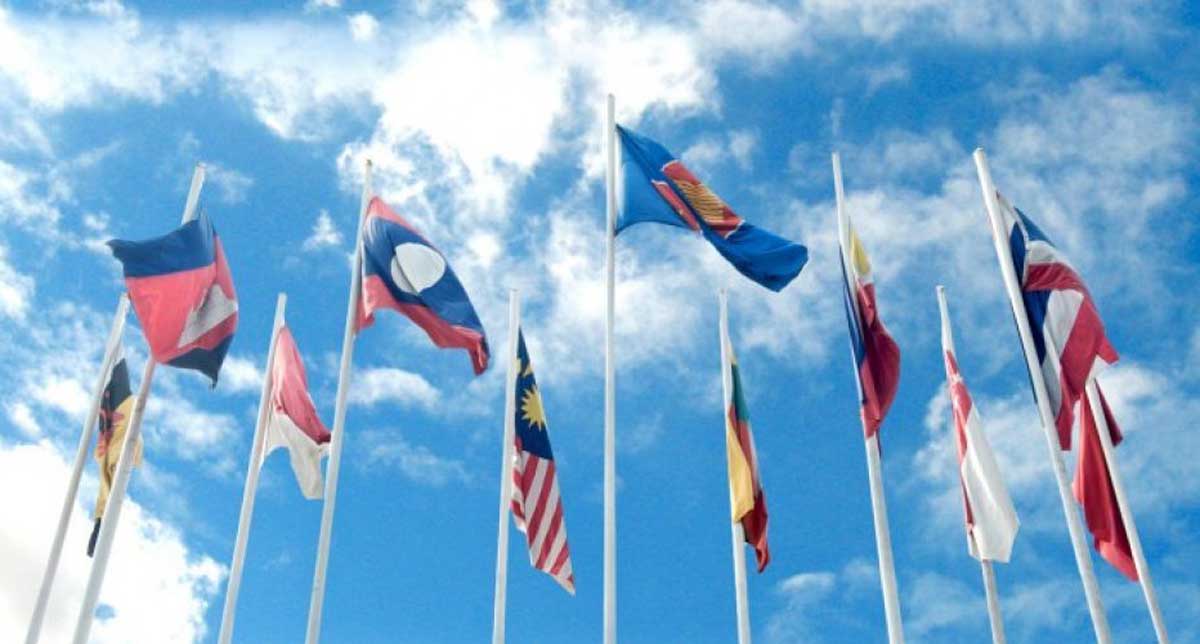
ASEAN leaders will convene in Manila for the 49th ASEAN Summit starting November 15 to address a convergence of regional energy, technological, and security crises.
The upcoming gathering arrives as the 11-member bloc faces simultaneous pressures from the Iran war’s impact on energy supplies and the intensifying competition between the United States and China. According to Modern Diplomacy, these overlapping challenges are testing the organization’s ability to maintain an independent diplomatic position while managing internal instability and maritime disputes.
The summit serves as a critical litmus test for “ASEAN centrality,” the principle that Southeast Asian nations should dictate their own regional agenda rather than being sidelined by external powers. While the bloc has successfully provided a platform for major powers like China, the United States, Russia, Japan, and India to engage in dialogue, its reliance on consensus-based decision-making often slows collective action during acute crises.
The economic stakes for the region are massive. If treated as a single economic unit, the bloc would represent the world’s fifth-largest economy, with a combined output of approximately $4.3 trillion and goods trade totaling roughly $4.4 trillion.
Rising energy prices and fuel supply disruptions caused by the conflict in Iran have moved energy security to the forefront of the summit’s priorities. For member states heavily dependent on imported energy, the volatility threatens broader economic stability.
Beyond energy, the Philippines is pushing for a regional approach to the rapid rise of artificial intelligence. Discussions in Manila are expected to focus on technological cooperation and how member states can collectively benefit from AI development. Environmental issues also remain a high priority, specifically the management of transboundary haze caused by Indonesian wildfires that have previously impacted Singapore and Malaysia.
Recent data shows the bloc's economic strength is supported by demographic and financial structures:
| Metric | Value (2025 Data) |
|---|---|
| Total Population | Approximately 693.2 million |
| Global Population Share | 8.4% |
| Combined Economic Output | Approximately $4.3 trillion |
| Goods Trade Volume | Approximately $4.4 trillion |
While the ASEAN Economic Community aims for a single market, integration remains hampered by non-tariff barriers, uneven development, and differing regulatory systems across the 11 members.
Political and security disputes continue to expose the limitations of the organization’s non-interference principle and consensus model. The ongoing civil war in Myanmar remains a primary concern, as the bloc’s five-point consensus has failed to halt the violence. Unresolved border tensions between Thailand and Cambodia and competing territorial claims in the South China Sea also threaten regional stability.
The strategic landscape is further complicated by the shifting dynamics of US-China relations. Many Southeast Asian governments are attempting a delicate balancing act: maintaining deep economic ties with China while preserving vital security partnerships with the United States. This strategy is becoming increasingly difficult as competition expands into supply chains, maritime security, and high-tech industries.
The White House has signaled the importance of this balance. The White House announced that Trump will hold a special summit with ASEAN leaders on November 17 and meet Philippine President Ferdinand Marcos Jr.
Critics of the ASEAN model argue that the lack of enforcement mechanisms means the organization can facilitate negotiations but cannot compel member states or external powers to follow through on agreements. This structural reality means the bloc’s influence is not found in its ability to impose rules, but in its capacity to keep major powers engaged in a shared diplomatic framework.
The summit is scheduled to conclude on November 17.
Worth a look
Ascott Achieves GSTC Certification for Over Half of Its Properties
The Ascott Limited has achieved Global Sustainable Tourism Council (GSTC) certification for 50% of its eligible property portfolio,...

Zelenskyy Discusses Prisoner Exchange and Security Guarantees in Abu Dhabi Peace Talks
Ukrainian President Volodymyr Zelenskyy arrived in Dublin on Thursday for high-level meetings with Taoiseach Micheál Martin, setting the...
Russia and Ukraine Agree to Major Prisoner Exchange in US-Mediated Abu Dhabi Talks
Russia and Ukraine have agreed to a large-scale exchange of prisoners of war during US-mediated negotiations in Abu...

Hoax Bomb Threat Emails Target Schools in Italy, UK and Ireland
Thousands of schools across Italy, the United Kingdom, and Ireland were targeted by hoax bomb threat emails on...