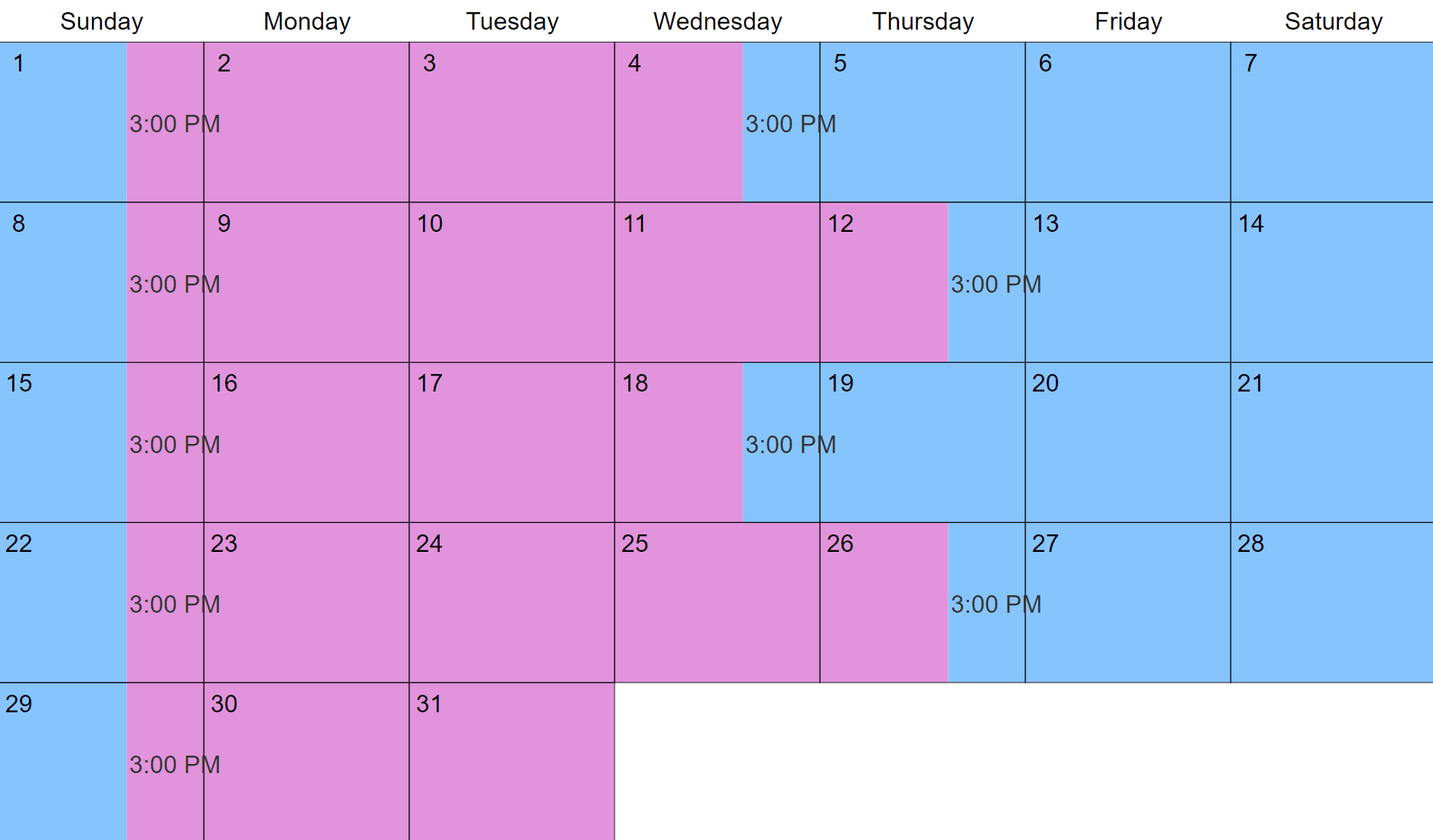
Connecticut parenting plans must account for more than just a standard weekly routine, requiring clear provisions for parent travel and shifts in the school calendar to ensure stability for the child.
Structuring Routine and Resilience
An effective agreement begins by mapping the child’s specific school or childcare schedule against the actual availability of each household, including necessary transportation. By putting regular parenting time, exchange locations, holiday overrides, and summer arrangements in writing, parents can minimize friction. The document must also explicitly state which provision takes priority when different sections of an agreement conflict.
Authority Over Major Decisions
Beyond the calendar, parents must define who holds the authority for major health, education, and religious decisions. When consultation is required, the agreement should specify exactly how and when that communication occurs, as well as the procedure to follow if parents disagree. Establishing a clear process for sharing school notices and managing sick days helps make daily life predictable.
“A parenting time agreement should also be reviewed for its effect on related provisions, including support where applicable,” said Ashling Soares Law.
Statutory Best Interests
Connecticut law centers on the child’s best interests when making custody decisions, as outlined in Conn. Gen. Stat. §§ 46b-56 and 46b-56a. These statutes require specific topics to be addressed in covered custody disputes. Ashling Soares Law assists parents in drafting and reviewing these provisions to ensure they remain functional as children grow.
Some parents mistakenly believe that equal parenting time is a prerequisite for shared decision-making. However, Connecticut law separates legal decision-making authority from the physical custody schedule. The appropriate arrangement relies entirely on the unique circumstances of the child and any existing court orders.
Real-World Application
Reviewing a self-drafted plan serves to identify gaps and clauses that may prove impossible to apply in practice.
Keep reading

Genki Forest Achieves Double-Digit Growth With Alien Electrolyte Water and Haozizai Wellness Water
On November 20, Genki Forest held its 2026 National Distributor Conference in Zhuhai, Guangdong, where Tang Binsen, Zhang...

Maine Celtics Erase 17-Point Deficit, Beat Capital City 114-102 Behind Amari Williams Double-Double
Maine erased a 17-point hole with a 34-8 run spanning halftime to beat Capital City 114-102 Friday night...

Brevard County Florida Flooding After Heavy Rain Causes River Highs and Rescues
Brevard County is underwater again, barely two weeks after a 1-in-1,000-year storm swamped the Space Coast. About two...

Pochettino Says US Pressure Made Him Better Coach for Manchester United
"We are much better coaches now after work in the national team like USA because the expectation and...