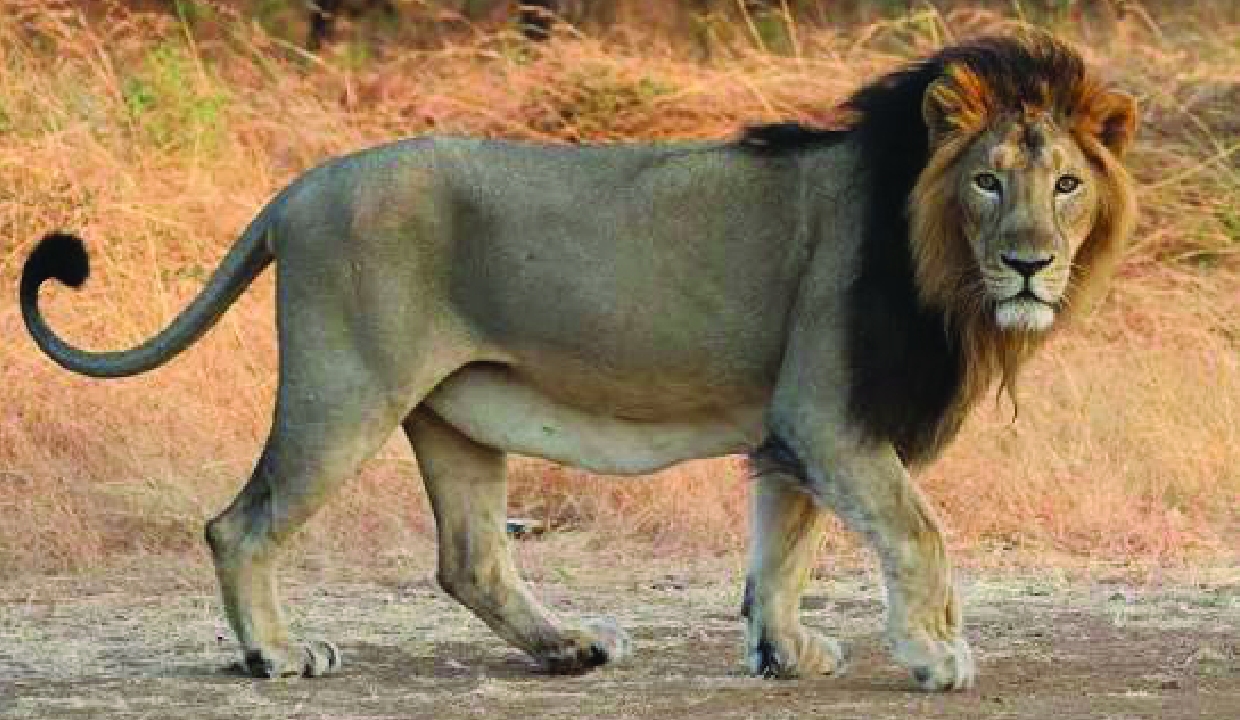
As communities worldwide mark World Lion Day on August 10, 2026, conservationists confront a stark divide: while India’s Asiatic lions celebrate a population rebound to 891 individuals in Gujarat, African lion populations continue to face severe poaching, habitat loss, and human-wildlife conflict.
Gujarat Celebrates Rebound as Asiatic Lions Reach 891
As India prepares to mark World Lion Day on August 10, 2026, attention centers on Gujarat as the sole remaining stronghold of the Asiatic lion. The population has climbed from a precarious low of fewer than 50 individuals in the early 20th century to 674 in the 2020 census, reaching 891 by the May 2025 estimation. That figure marks an increase of roughly 32 percent over five years and more than 70 percent over a decade.
Lions now range across approximately 35,000 square kilometres spanning 11 districts in the region. About half of that population resides in nine satellite groups outside the core Gir Protected Area. Meanwhile, Varda Wildlife Sanctuary now supports a small, growing population 143 years after natural migration and assisted translocation, officially establishing it as a second habitat under Project Lion.
Pathogen Outbreaks and Geographic Concentration Threaten Stability
Despite strong numerical gains, the entire wild Asiatic lion population remains restricted to a single contiguous landscape in Saurashtra, creating significant vulnerability to disease and natural disasters. A 2018 canine distemper virus outbreak killed more than 20 lions, while more recent clusters of deaths linked to babesiosis, suspected CDV, and even rabies in 2026 demonstrate that pathogens can still move rapidly through a connected population.
Low genetic diversity resulting from a historic bottleneck compounds these health risks. With Gir forests exceeding estimated ecological carrying capacities, lions have expanded into farmlands, coastal thickets, and peri-urban zones, leading to increased livestock depredation and occasional human casualties. Unnatural mortality factors, including open wells, electrocution, and accidents, persist alongside the long-standing and unresolved debate over relocation following a Supreme Court of India directive issued on 15 April 2013.
Community Guardians and Real-Time Alerts Combat African Conflict
Across Africa, where the vast majority of the world’s fewer than 25,000 vulnerable lions live, communities are deploying innovative deterrents to mitigate deadly interactions. In northern Zimbabwe, conservationist Moreangels Mbizah and her colleagues train Batabilili protectors to track lions and promote secure livestock enclosures. Mbizah won a 2026 Whitley Award, with the £50,000 ($67,500) prize slated to help her NGO, Wildlife Conservation Action, recruit additional guardians.
In northern Botswana’s Okavango Delta, the CLAWS Conservancy deploys GPS collars to track lions and operate a real-time warning system. If the lion gets within a 5-kilometer [3-mile] radius of a village, or 3-kilometer [1.9-mi] radius of a smaller cattle post or homestead, then it automatically triggers the dispersal of an alert directly to the people who live within that radius where that line is breached.
Restored traditional herding practices paired with these alerts have driven a large drop in cattle losses and reduced retaliatory lion poisonings.
Women’s Groups and Cultural Ties Shape Kenyan Conservation
Community buy-in remains central to coexistence efforts in northern Kenya, where the Samburu women’s group Mama Simba has partnered with the Ewaso Lions conservation project for over a decade. In a commentary co-authored with wildlife conservation scientist Victoria Wanjohi, Mama Simba emphasized that the inclusion of women in Africa’s lion conservation efforts is essential to protect the species sustainably alongside nearby communities.
Zoos Highlight Wild Realities Through Enrichment Activities
Public institutions are also marking the awareness day by educating visitors about the contrast between captive safety and wild survival. Animal care teams design these challenges to simulate wild hunting behaviors, encouraging problem-solving skills. While lions in captivity serve as ambassadors in a protected habitat, the single biggest threat to majestic big cats in the wild remains human impact through habitat destruction, conflict, and illegal poaching.
Keep reading

U2 Celebrate 50th Anniversary With Surprise Pop-Up Concerts in Dublin
U2 celebrated their 50th anniversary on Friday by staging surprise performances at their former Dublin school, Mount Temple...

Grand Theft Auto VI Featured in Game Informer with New Details
Grand Theft Auto VI takes center stage on the cover of Game Informer’s latest issue, offering exclusive details...

Woman Recants Sexual Assault Allegations Against Jay-Z
A woman who accused Sean Jay-Z Carter of sexual assault in a lawsuit has formally recanted her allegations,...

Yung Filly Allowed to Return to Britain Ahead of Australian Retrial
British rapper Yung Filly can return to Britain following a judge's ruling in Australia adjusting his bail conditions...