
East Coast fishery managers will vote November 10–11 on whether to cut industrial Atlantic menhaden harvests in the Chesapeake Bay by up to 50%.
The upcoming decisions by the Atlantic States Marine Fisheries Commission could reshape near-shore fishing rules from Maine to Florida.
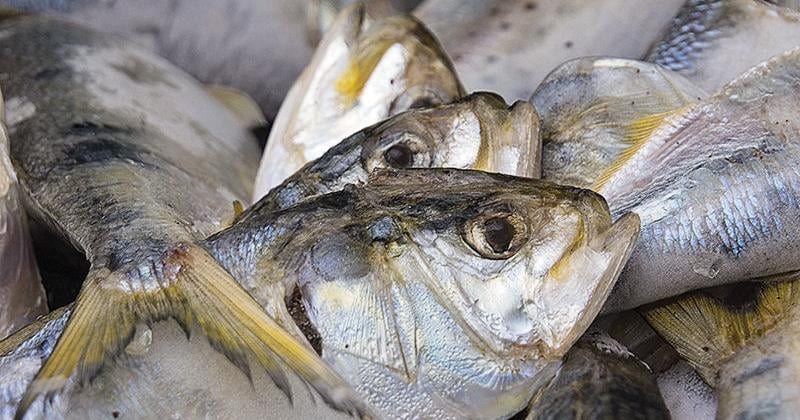
Menhaden are small, oily, and bony fish that few humans eat directly. Instead, fleets catch them across the East Coast to use as bait for crabs and lobsters, or process the vast majority into fish meal and oil for animal feed and dietary supplements. Beyond commercial uses, these fish serve as a foundational food source for striped bass, marine mammals, and dwindling osprey populations along the coast.
Speak up for Osprey in the Chesapeake Bay! The 2026 Osprey breeding season in the Chesapeake Bay has ended, and nesting success there is at its lowest level ever recorded. Tell the ASMFC to adopt conservation-minded reforms that protect menhaden:https://t.co/W7K1EvJy2x pic.twitter.com/obRHQfpMoy
The upcoming commission votes focus heavily on Omega Protein, headquartered in Reedville, Virginia, which operates the last surviving East Coast menhaden reduction plant. Operating through a partner fleet owned by Ocean Harvesters, the company nets menhaden in the Chesapeake Bay and up the coast to New Jersey.
The commission will weigh three major proposals: cutting the Bay reduction fishery limit by up to 50%, lowering the coastwide maximum harvest, and reallocating a larger share of the catch to New England states.
Supporters of the harvest reductions, including conservationists and recreational anglers, argue that cutbacks are vital to halting the slump in osprey reproduction and helping Atlantic striped bass, also known locally as rockfish, recover from years of overfishing. More than 48,000 people weighed in earlier this fall, with the vast majority favoring a 50% reduction in the Bay harvest cap.
On the other side, Omega Protein, Ocean Harvesters, and their employees warn that steep cuts threaten hundreds of well-paying union jobs that have supported generations of Northern Neck families. Mike Wilberg, a University of Maryland fisheries science professor, also challenged the scientific necessity of further coastwide cuts, pointing to flaws in the 2025 reassessment model that reduced the estimated menhaden population by about a third.
Meanwhile, commercial fishing interests in New England are pushing for a larger piece of the quota as Atlantic herring landings decline. Patrice McCarron, executive director of the Maine Lobsterman’s Association, noted that menhaden have become a critically important source of fresh bait for the state’s lobster fleet.
With Virginia currently holding 75% of the coastwide quota—90% of which goes to the reduction fishery—any reallocation would directly impact Omega Protein’s operations.
Worth a look

Ayo Dosunmu and LaMelo Ball Lead Timberwolves to Win Over Jazz
As reported by kfgo.com, Sunday night saw the Minnesota Timberwolves defeat the Utah Jazz 115-100, powered by 26...

Democrats Win Majority of New York Congressional Seats
Twenty Democrats and six Republicans will head to Washington in January as New York’s delegation in the U.S....

Shorter University Football Hosts Albany State in Season Finale
Shorter University football will host Albany State University at Barron Stadium in Rome, Georgia, on Saturday, November 14,...

Liberty Defeats New Mexico State 30-14 on Aggies’ Homecoming
Liberty defeated New Mexico State 30-14 on Saturday in Las Cruces, New Mexico, according to the Associated Press....