
A New Span Over the Chesapeake: Maryland Clears Final Hurdle for $15B Bridge
For anyone who has ever sat in traffic on the Chesapeake Bay Bridge, the news feels like a deep breath finally being let out. The Maryland Transportation Authority has secured final federal environmental approval for the massive Chesapeake Bay Crossing Study, officially clearing the way for the construction of new spans over the bay. WTOP reported that this conclusion of the study provides the agency with an approved path forward for a multibillion-dollar project aimed at one of the state’s most persistent infrastructure headaches.
This isn’t just another bureaucratic checkpoint. This is the green light on a journey that will fundamentally reshape how Marylanders, and the nation, cross the bay. The project, which will add a pair of four-lane bridges with full shoulders to the existing crossings, is projected to cost between $15 billion and $17 billion. But the price tag, as staggering as it is, is just one piece of the puzzle. The state says the project will inject $23 billion into the local economy and create more than 60,000 jobs. That’s a direct shot in the arm for a region that has long grappled with the economic friction caused by the bridge’s chronic congestion.
The governor, Wes Moore, framed the moment with a sense of relief and optimism, telling WTOP, “I’m very excited to get a chance to move forward with the next step on just creating a smoother travel experience for those who drive over the bridge.” His words show a change from years of study and debate to a future of steel and concrete. The plan is not just about adding more lanes; it’s about building a more resilient, modern crossing for decades to come.
A Decade in the Making, Now on the Move
The journey to this point has been a long one, showing the complexity of building something of this scale in a sensitive environment. All major federal actions must go through a rigorous environmental review, a process that this project has now successfully completed. The Maryland Transportation Authority detailed the exhaustive public engagement effort, which included open houses, public hearings, and attendance at over 120 community events. The agency received over 5,600 comments and survey responses, a clear indication of how deeply this project is felt by residents on both sides of the bay.
“The public-input process was deeply valuable to the success of this study, and our team engaged with thousands of residents, community members, drivers and elected officials on both sides of the bay to ensure a collaborative approach for all stakeholders,” said Maryland Transportation Authority Executive Director Bruce Gartner in a statement. This collaborative approach was designed to identify and mitigate potential impacts from the outset, ensuring that the solution doesn’t simply create new problems elsewhere.
Maryland transportation officials have received final federal approval for the Chesapeake Bay Crossing project, setting the stage for a new era of travel between the Eastern and Western Shores.https://t.co/oojXZL6Ybi
The plan calls for the existing bridges to be removed as part of the project, a move that emphasizes the scale of the undertaking. It also includes widening U.S. 50/301 to eight lanes from west of Oceanic Drive to east of Cox Creek, a critical upgrade to support smooth traffic transitions to the new crossing. The authority has also signaled a willingness to innovate, stating it will consider adding a bike and pedestrian path along the new spans—a feature notably absent from the current structure.
What’s Next: From the Drawing Board to the Ground
With environmental clearance in hand, the focus now shifts from study to execution. The timeline laid out by the Maryland Transportation Authority is ambitious but clear. Design of the new four-lane bridge spans is slated to begin in 2028. Construction, the phase that will transform the skyline of the bay for years to come, is scheduled to begin as soon as 2032.
Maryland transportation officials have received final federal approval for the Chesapeake Bay Crossing project, setting the stage for a new era of travel between the Eastern and Western Shores. https://t.co/bWE5SNjKhT
“We’re just adding this to the list of incredibly important and big projects that we are working on and working through and working in partnership with the federal administration on. Because of the historic speed and the historic projects that we are getting done in the state of Maryland, we want to make sure that with this administration, that we are making sure these projects are getting done and getting done quickly and efficiently,” Moore said.
The Unspoken Question: Who Bears the Cost?
While the project promises immense benefits, it also raises significant questions, particularly about who will ultimately pay for it. A project of this size will require a complex funding strategy, likely involving a combination of federal grants, state bonds, and potentially tolls. The existing toll structure on the bridge is already a point of contention for many commuters, and the new project will inevitably involve a period of construction-related disruptions and toll increases to finance its construction.
The Maryland Transportation Authority announced Thursday that it has received final federal environmental approval for its Chesapeake Bay Crossing Study, clearing the way to build two new bridge spans and remove the existing crossings. https://t.co/Ef72xkDGYY
For the average driver, the promise of a smoother ride is compelling. But the financial burden will be real, stretching household budgets and impacting the cost of goods transported across the bay. The challenge for state officials will be to balance the long-term economic benefits against the short-term costs and inconveniences faced by the very people the project is designed to help. The political will to see this through to the end will be tested as the price becomes more concrete for Maryland families.
The project stands as a symbol of Maryland’s ambition to modernize its core infrastructure. It’s a bet that the immense cost and temporary pain of construction will yield a long-term dividend of economic prosperity and improved quality of life. The final hurdle is now cleared, and the path forward is lit. The question that remains is not if this bridge will be built, but how smoothly the state can navigate the immense task of building it.
🚨 FEDERAL GOVERNMENT APPROVES CHESAPEAKE BAY BRIDGE REPLACEMENT CONCEPT — MARYLAND MOVES CLOSER TO MAJOR CROSSING PROJECT ANNAPOLIS, MD — Maryland’s long-running effort to replace the aging Chesapeake Bay Bridge has cleared an important federal planning milestone. The decision…
The Trump administration has approved a plan to replace the aging Chesapeake Bay Bridge with two new spans and eight lanes, clearing the way for Maryland to begin designing the crossing in 2028 and potentially start construction by 2032. Maryland Department of Transportation… pic.twitter.com/jekoCQpUri
Keep reading

Big Red Holiday Ornaments Installed in Lansing
Downtown Lansing’s holiday season officially began Thursday morning with the installation of the iconic big red holiday ornaments...

Pennick Leads Navy Past Delaware State 66-60
Navy Edges Out Delaware State 66-60 in a Battle of Early-Season Form ANNAPOLIS, Md. — A gritty, back-and-forth...

Celtics Hold off Bucks Rally for 109-102 Win
Derrick White Seals the Deal as Celtics Hold Off Bucks Rally The Boston Celtics survived a furious Milwaukee...
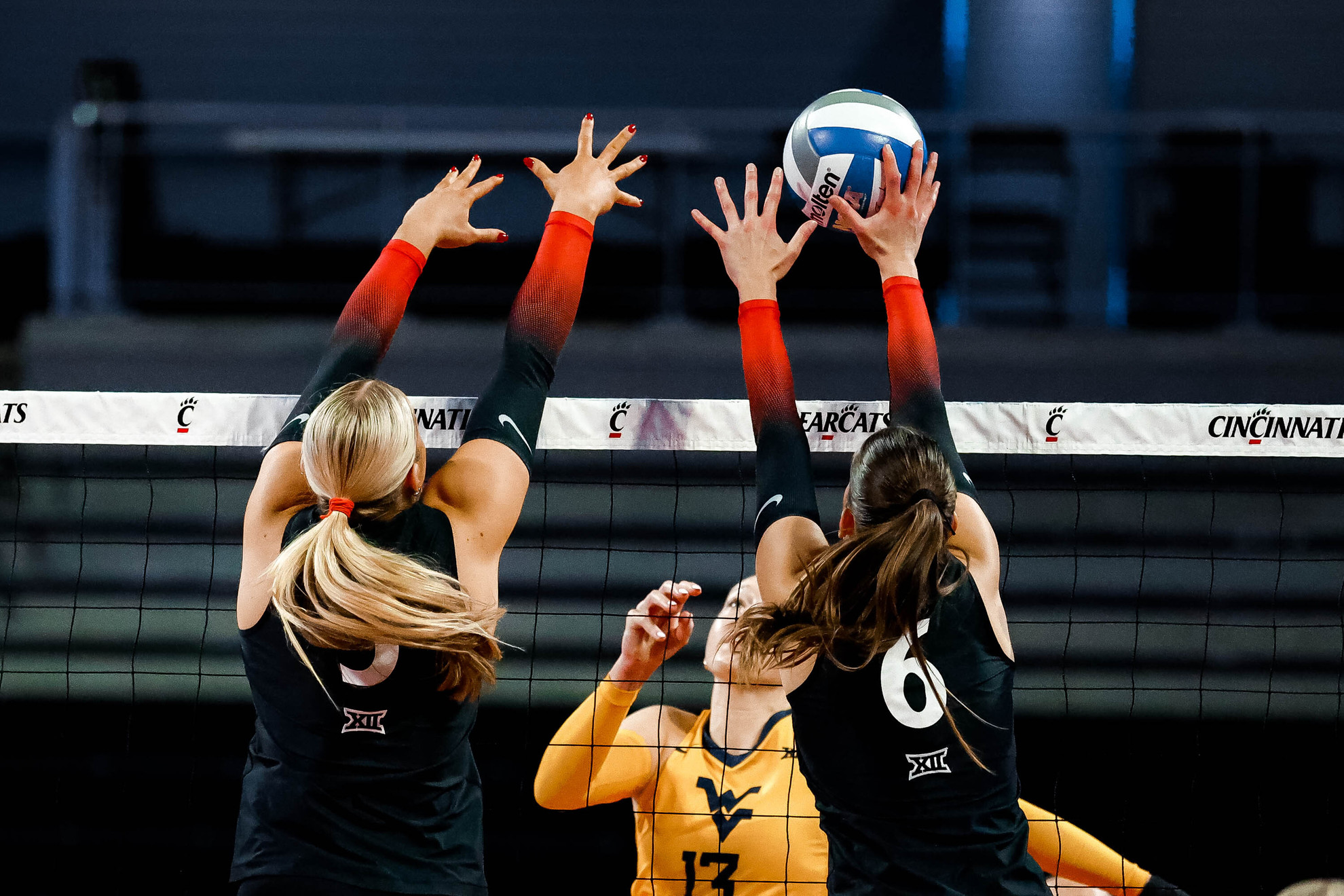
Cincinnati Volleyball travels to Kansas for Big 12 Matches
Cincinnati volleyball travels to Manhattan, Kan., to face Kansas State on Friday, Nov. 6, at 6 p.m. ET...