
Augusta University honored its military community on Veterans Day with a pin ceremony and armed forces salute at the Grover C. Maxwell Performing Arts Theatre, a tradition dating back to 2014.
The ceremony highlighted a quiet transformation: the university now serves 1,898 military-affiliated students as of fall 2026, a figure that includes veterans, active-duty personnel, reservists, National Guard members and eligible dependents. That number has climbed steadily since the U.S. Army Cyber Command relocated its headquarters from Fort Belvoir, Virginia, to nearby Fort Gordon in 2020.
“Those degrees are what’s bringing these students to AU, in addition to your more traditional subjects,” said retired Col. Eric Toler, executive director of the Georgia Cyber Center. “Those were specifically developed because of the demand that the military was putting on AU, and we’ve delivered.”
The university responded to the Cyber Command move by launching a Bachelor of Science in Cybersecurity, a Master’s in Cybersecurity Management and Technology, and a Ph.D. program in Intelligence, Defense, & Cybersecurity Policy. Toler said the programs were developed in direct response to military demand, creating a pipeline from Fort Gordon to campus.

Shelita Johnson, a cybersecurity major in the School of Computer and Cyber Sciences and a former U.S. Navy Police officer with nearly 20 years of service, said her military background gave her a foundation in security operations and leadership. “My education at Augusta University is helping me expand those skills into the technological world,” she said.
For student veterans, the label translates to practical support and cultural fluency. Omar G., a business administration major in the James M. Hull College of Business and former U.S. Air Force enlistee, said the proximity of faculty and students to military life creates an unspoken understanding.
“Most people here ‘get it,’ so to speak,” he said. “They understand that we’re all here for the same thing even if we arrived here through different paths.”
Johnson emphasized the role of the Military and Veteran Services office in helping students manage benefits and academic expectations. “I understand how overwhelming it can feel to navigate educational benefits, academic expectations, and personal responsibilities after military service,” she said. “It is encouraging to know that Augusta University recognizes the sacrifices made by military families.”

Lakishia Dinkins, interim director of Military and Veteran Services and Fort Gordon site coordinator, said the university is targeting military and adult learners as part of its strategic enrollment goals. The office connects students with outside vendors and peer networks that ease the transition to civilian academic life.
Johnson pointed out that many student veterans juggle families, careers, physical limitations and the psychological work of redefining identity after service. “We are working on becoming new versions of ourselves after serving our country,” she said. Her goal is to use her cybersecurity training to continue serving in a civilian capacity.
The Veterans Day event featured a presentation of colors by the university’s Army ROTC squad and performances by the Augusta University Wind Ensemble, drawing multiple generations of veterans and civilian supporters alike.
Keep reading

UNLV Community Garden Featured in Springs Preserve Exhibition
“Once you start, you become more conscious of your water usage,” said Tara Pike, UNLV’s recycling manager and...

Nebraska Bowl Projections: 8 Destinations, Scott Frost Reunion Highlighted
Nebraska snapped a four-game skid at Rutgers last weekend to reach 6-4, locking in a third straight bowl...

Phillips County Appeals Ruling Ordering Retirement Payments for Nita Murray
Phillips County is appealing a circuit judge’s ruling that it must pay decades of retirement contributions for a...
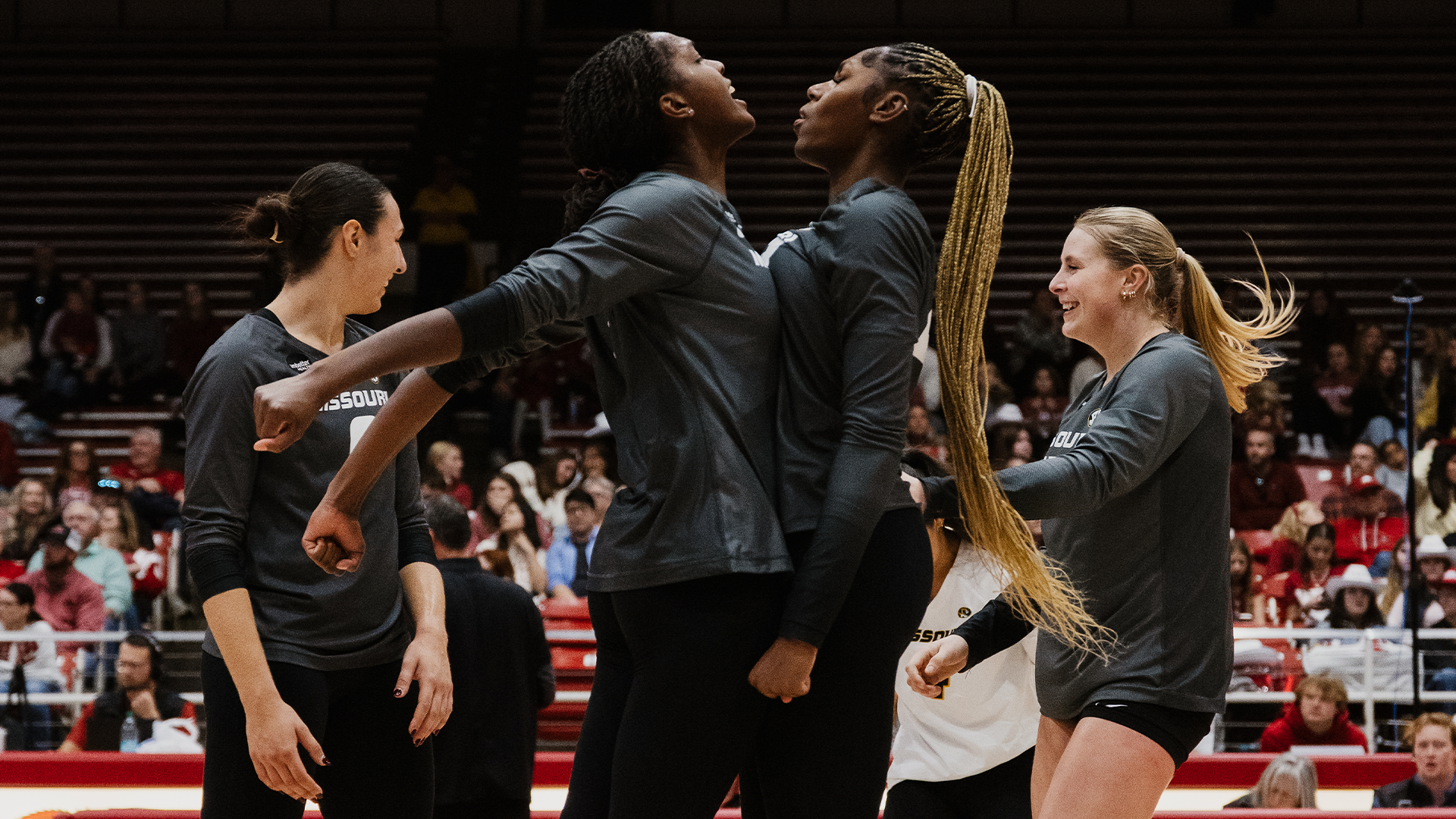
Missouri Volleyball Earns SEC Tourney Six Seed, First-Round Bye
Missouri volleyball lands in Savannah, Georgia, this Saturday as the SEC Tournament’s six seed, armed with a first-round...