
“We don’t want a city where the highest traffic parts become what you could find in any city,” Council Member Krista Laine said.
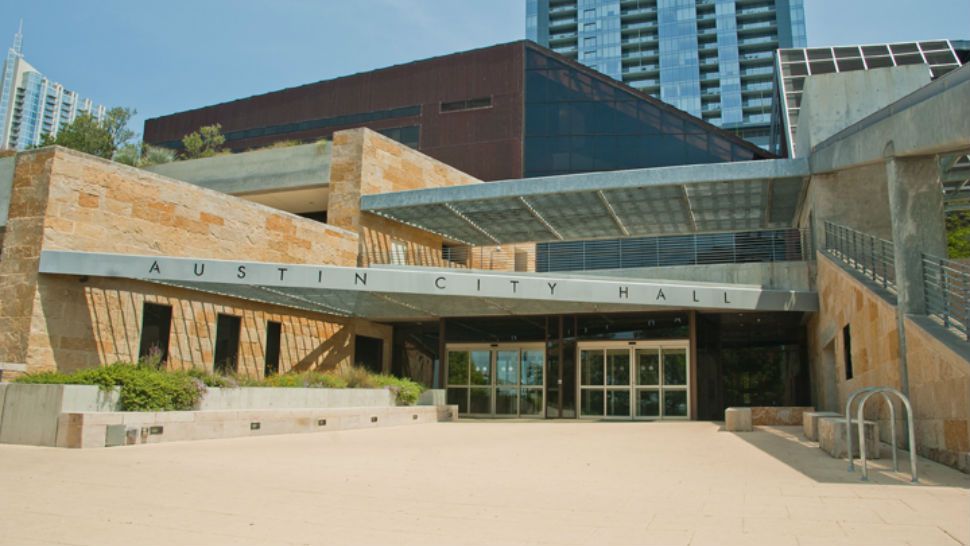
Austin city leaders are attempting to stem the tide of national chains displacing the local shops and restaurants that define the city’s commercial corridors. Last week, the Austin City Council passed a resolution directing the city manager to create a rental assistance program specifically for local businesses in high-traffic areas, Austin Current reported.
The initiative targets corridors where rising rents and the deep pockets of international franchises make it difficult for smaller competitors to survive. Targeted zones include South Congress Avenue, the downtown area, and the neighborhood surrounding the University of Texas at Austin.
The program will not launch as a city-wide blanket of subsidies. Instead, the city plans to start on a minimal scale, providing assistance to just one business to serve as a “proof of concept.”
If that initial case proves effective, officials may consider expanding the program, though any such growth depends entirely on available funding. Council Member Laine noted that the goal is not merely to keep struggling shops afloat, but to provide a “bridge” that allows successful local businesses to expand into high-dollar neighborhoods where rent would otherwise be a barrier to entry.

Laine pointed to the transformation of the Drag near the University of Texas as a cautionary tale of what happens when property values soar. In 2000, the area was dominated by local businesses, she said, whereas today, the corridor risks becoming “generic and cookie-cutter.”
Some council members oppose a targeted rental program while the city faces budget shortages. Council Member Marc Duchen was the lone member to vote against the measure, arguing that the proposal lacked the necessary research and cost projections to justify the expenditure.
Duchen expressed concern that the city would essentially be acting as an arbiter of commercial success, a role he finds uncomfortable for a municipal government.
“We are picking the winners and losers,” Duchen told Austin Current. “It’s even more pronounced than that because the losers are going to be subsidizing the winners through their programs via property taxes and fees.”
The proposed eligibility criteria would prioritize businesses that contribute to Austin’s unique cultural identity. Officials would evaluate applicants based on their ability to attract visitors, the uniqueness of their services, and whether they could remain financially viable once the city’s assistance concludes.
For many entrepreneurs, the gap between a successful small business and a brick-and-mortar presence in a prime location is widening. Dane Kenney, the founder of Noble Joe Coffee, has seen his business grow from a single food truck at the South Shore Eatery on East Riverside Drive in 2021 to three locations across Austin.
Despite that growth, Kenney says the most desirable commercial corridors remain out of reach for homegrown brands.
“Those areas are unattainable, unfortunately,” Kenney said. “It’s like saying, ‘I want to be in the NBA,’ but it’s not even an option.”
While Kenney acknowledges the value that corporate franchises bring to popular areas, he believes the city’s “heart and soul” depends on the survival of small businesses that offer more character. This initiative is intended to work alongside existing efforts like the Place-Based Enhancement Program, which uses tax incentives to encourage property owners to provide affordable spaces for community-serving organizations.
The identity of the first business to receive assistance has not yet been determined.
Worth a look

Anchorage Launches Housing Voucher Program to Combat Homelessness
Anchorage is launching a new housing voucher initiative to help residents experiencing homelessness transition into permanent living situations,...

Montgomery Police End Suicidal Man Standoff in Wynlakes Community
Montgomery police officers resolved a high-stakes standoff in the Wynlakes community on Thursday afternoon after a man reportedly...

US Home Sales Hit 16-Year Low Amid Record-High Mortgage Rates
U.S. existing home sales fell to their lowest level since 2010 in October, according to new data from...

Cheyenne Hunt Discusses Reckoning Action and Family Court Reform at UCI Law
Advocacy leader Cheyenne Hunt is turning her sights toward the family court system following a high-profile political reckoning....