
The American College of Cardiology (ACC) has launched a new initiative called ADVANCE-ASCVD to reduce atherosclerotic cardiovascular disease (ASCVD) events across global populations, News-Medical reported.
The program aims to bridge the persistent gap between existing medical knowledge and how that care is actually delivered in clinical settings. While decades of research have advanced the treatment of cardiovascular issues, ASCVD remains the leading cause of death worldwide.
A central focus of the initiative involves managing low-density lipoprotein cholesterol (LDL-C), often referred to as “bad cholesterol.” Although evidence shows that reducing LDL-C significantly lowers the risk of stroke, myocardial infarction, and cardiovascular death, many high-risk patients still fail to meet their target levels in real-world practice.
“The opportunity today is not simply to treat disease better after it occurs, but to identify risk earlier and intervene before disease develops,” said Roxana Mehran, MD, FACC, ACC President.
The ACC has structured the initiative around five specific strategic pillars designed to move prevention from periodic medical snapshots toward continuous, longitudinal assessment. These pillars include:
- Education and Knowledge Dissemination: Developing resources to help clinicians and health systems translate evolving evidence into practical, guideline-aligned care.
- Clinical Implementation and Decision Science: Using implementation science and quality improvement to remove barriers to evidence adoption.
- Evidence and Insight Generation: Utilizing real-world data and pragmatic research to identify care gaps and evaluate new approaches.
- Patient and Population Health: Increasing patient engagement and finding scalable ways to identify risk earlier in diverse populations.
- Innovation and Global Scale: Leveraging AI, digital health, and emerging technologies to expand prevention strategies across different geographies.
The initiative is working to implement the recently released 2026 ACC/AHA Guideline on the Management of Dyslipidemia, specifically focusing on improving awareness and treatment optimization for lipid management.
Merck has joined the program as a founding sponsor, providing support for a preliminary portfolio of activities centered on lipid-related risk and LDL-C management. The framework is intended to eventually include multiple sponsors to address a wider range of cardiovascular risk factors.
The partnership seeks to address the inconsistency seen when translating clinical guidelines into daily medical practice. For many patients, the transition from a diagnosis to effective, guideline-directed therapy remains interrupted by systemic or informational hurdles.
“Despite decades of progress, a significant gap still remains between what we know about preventing cardiovascular disease and how that care is delivered to patients in the real world,” said Bjorn Oddens, MD, PhD, senior vice president and head of value and implementation at Merck Research Laboratories.
Oddens added that the sponsorship is rooted in a shared mission to address the cardiovascular epidemic through improved early risk detection and prevention.
By focusing on the intersection of digital health and clinical decision support, the ACC intends to use the ADVANCE-ASCVD platform to scale these interventions across various care settings, moving beyond traditional hospital-based models to more integrated, tech-enabled prevention.
“We’re proud to support this initiative focused on improving critical areas of cardiovascular care such as early risk detection, prevention and LDL-C management,” Oddens told News-Medical.
Worth a look

Delhi Govt Inaugurates 11-km Chhath Ghat at Munak Canal
Delhi officials inaugurated an 11-km-long Chhath ghat along the Munak Canal on Thursday to accommodate thousands of devotees...

Study Shows Stable Motor Function for 13 Weeks in ALS Cell Therapy Trial
Motor function scores remained stable for 13 weeks in a small group of patients receiving bone marrow-derived cell...

Indonesia Weighs Diplomatic Shift as Trump Faces Congressional Losses
President Donald Trump is approaching the midpoint of his second term following a major electoral defeat that cost...
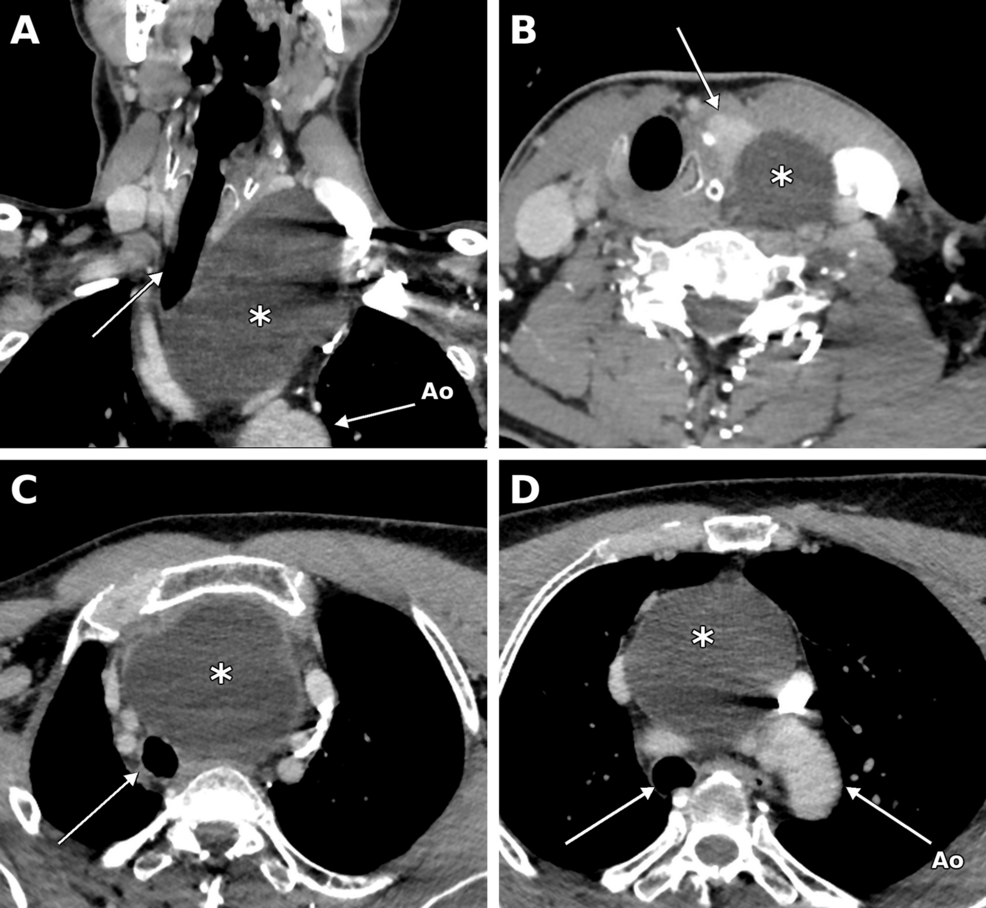
Giant Cervicomediastinal Thyroglossal Duct Cyst Mimicking a Parathyroid Cyst: A Case Report
An 11-centimeter cyst, stretching from the neck down to the aortic arch, was successfully removed from a 59-year-old...