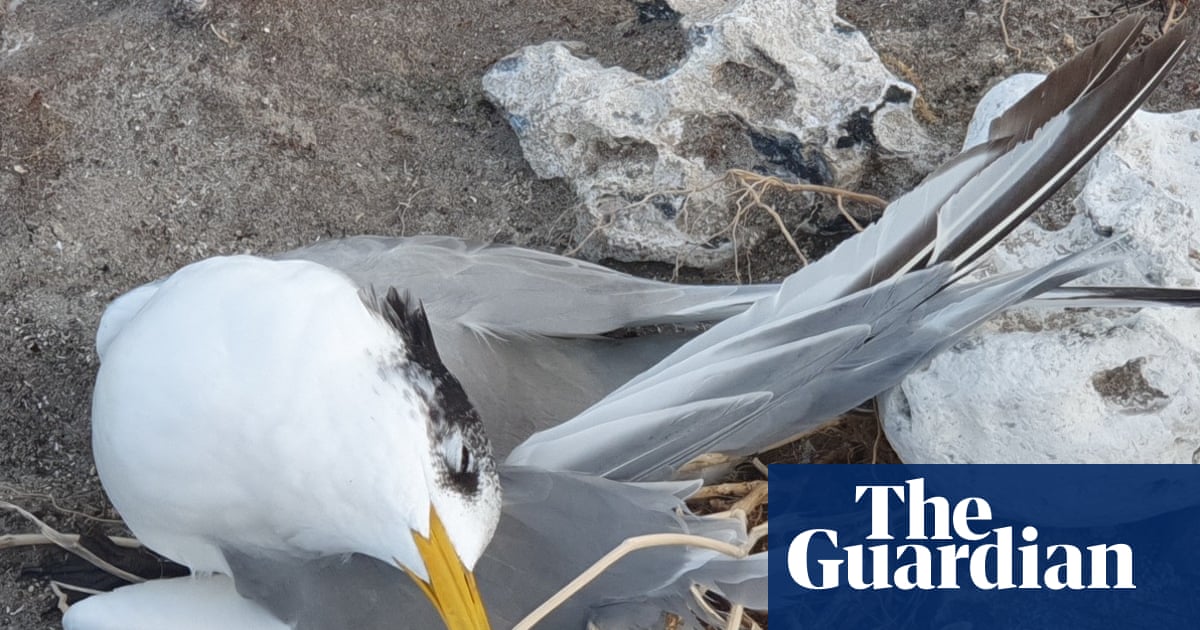
Australia’s avian influenza outbreak escalates rapidly as Agriculture Minister Julie Collins confirms confirmed or presumed H5 cases have reached 74, nearly tripling in less than a week. The virus has spread from remote Western Australia to South Australia’s Limestone Coast and Victoria, threatening endemic wildlife.
The arrival of deadly H5 avian influenza on South Australia’s Limestone Coast has transformed quiet coastal communities into active monitoring zones. Just three weeks after the initial detection, local residents, wildlife carers, and district officials are confronting sick and dying birds on a daily basis. The outbreak, which first surfaced in June in a remote western region of the country, has rapidly accelerated its geographic reach and case count.
Case Numbers Triple as Avian Influenza Spreads Across Australia
Agriculture Minister Julie Collins stated that the number of confirmed or presumed positive H5 avian influenza cases among Australian birds has risen to 74, marking nearly a threefold increase in less than a week. While livestock remain unaffected so far, according to scientific literature evaluating the country’s biosecurity landscape, the virus threatens many endemic and increasingly imperilled species across the country.
The speed of transmission has left conservationists and wildlife advocates grappling with the psychological toll of the crisis. Maureen Christie, who helped establish the Friends of Shorebirds SE more than two decades ago, described the grim reality unfolding along the coastline.
Limestone Coast and Victoria Face Rising Mortality Among Terns
The region’s south-east supports a diverse ecosystem of resident hooded plovers, oystercatchers, and international migratory species including double-banded plovers, red-necked stints, sanderlings, and ruddy turnstones. However, greater crested terns have emerged as the primary vector and casualty group.
South Australia has already recorded its first confirmed mass mortality event at Baudin Rocks, a cluster of islets located approximately eight kilometers off the coastal town of Robe. Roland Wells, president of Robe Coast Care and the Friends of Little Dip Conservation Park, noted that the area’s unique ecosystem supports everything from migratory birds and wombats to marine mammals.
Across the border in Victoria, the chief veterinary officer, Dr Graeme Cooke, reported that recent aerial and ground surveillance near Portland and Nelson confirms a clear surge in dead terns. This mirrors the trajectory observed in South Australia, transitioning from isolated detections to widespread coastal mortality.
Conservation Risks for Vulnerable Marine Mammals and Shorebirds
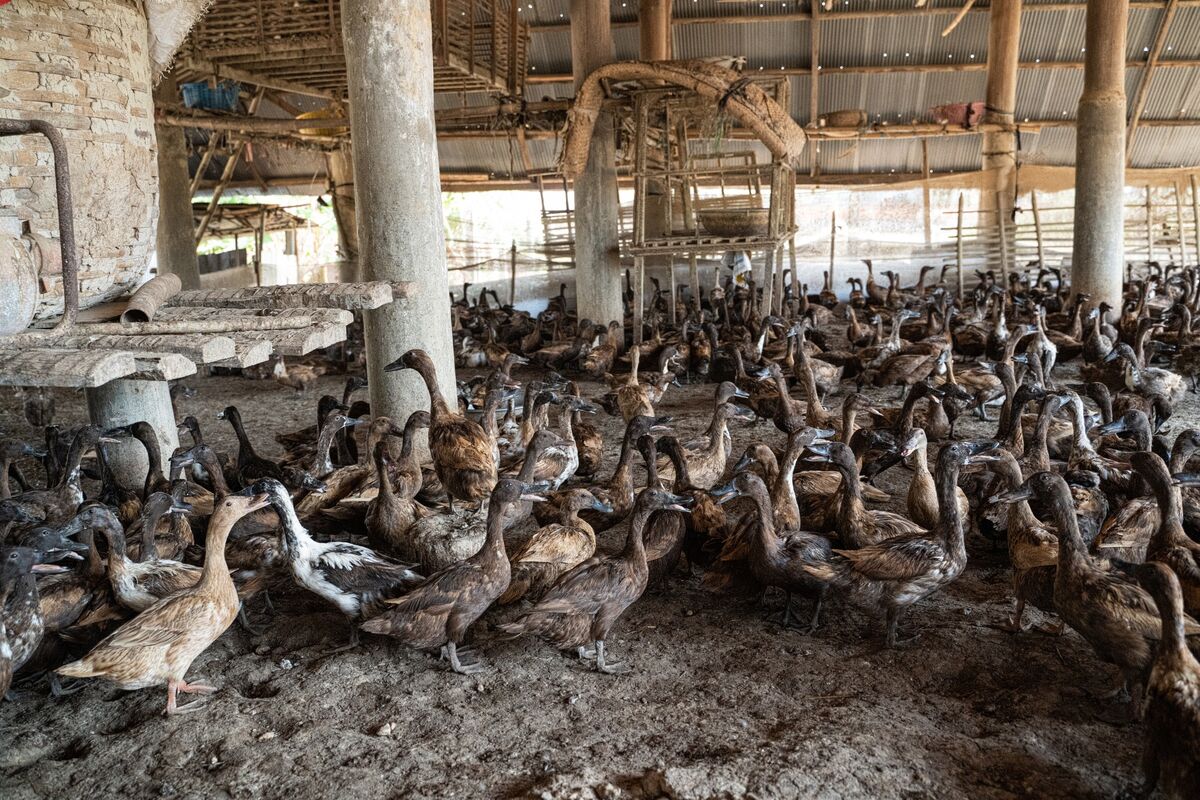
State primary industries officials warn that greater crested terns frequently commingle with gulls, cormorants, grebes, and ducks, accelerating interspecies transmission. High-risk priority species, notably fairy terns, face severe conservation threats.
Furthermore, authorities are monitoring marine populations. Australia is home to Australian sea lions, with long-nosed fur seals among the species most vulnerable to the virus.
Strained Wildlife Carers Demand Clearer Mitigation Strategies
On the ground, rescue infrastructure is reaching breaking point. Mish Simpson from the SKER wildlife veterinary centre reported that the facility was operating at maximum capacity even before the arrival of avian influenza. Additional pressures have mounted as other veterinary clinics decline to accept wild birds, driven by strict cleaning protocols, personal protective equipment mandates, and cross-contamination risks.
A central concern involves infected carcasses remaining in natural habitats, creating ongoing transmission risks for scavenging wildlife.
As federal and state agencies coordinate surveillance and recovery efforts, officials urge the public to follow safety guidance. Authorities advise communities to avoid handling wildlife, keep domestic pets away from birds, and report sightings to local councils while navigating what minister Watt termed the beginning of a long, difficult journey for Australian biodiversity.
Keep reading
Australia Confirms First Mainland Mammal Death From H5N1 Bird Flu
Australia confirmed its first mainland mammal death from H5N1 bird flu after a long-nosed fur seal tested positive...

Deep Vein Thrombosis: Symptoms, Risks and Prevention Management
Deep vein thrombosis forms blood clots in deep veins, most often in the legs or pelvis, carrying risks...

Alzheimer Trials Face Global Participant Shortage Threatening New Therapies
Research into Alzheimer's disease and other dementias is on the cusp of a potential revolution, yet progress risks...

Severe Mental Illness Linked to 10 to 20 Year Life Expectancy Gap
People with a severe mental illness die 10 to 20 years earlier than the general population, according to...