Reserve Bank of Australia Faces Fifth Rate Hike as Q3 Inflation Hits 3.7 Per Cent
Australia’s consumer price index accelerated faster than anticipated in the September quarter, forcing markets to price in an aggressive monetary policy response from the Reserve Bank of Australia. Core inflation—measured by the trimmed mean—rose to 1.0 per cent for the three-month period, up from 0.8 per cent in the June quarter, according to data released by the Australian Bureau of Statistics. On an annual basis, core inflation reached 3.7 per cent, remaining well above the central bank’s target band of 2 to 3 per cent.
The Bottom Line:
- Quarterly core inflation climbed to 1.0 per cent in Q3, outstripping the Reserve Bank of Australia’s prior 0.8 per cent forecast.
- Financial markets reacted swiftly, pricing in an 87 per cent probability of a 25-basis-point cash rate hike to 4.85 per cent at the upcoming November meeting, according to AFR reporting.
- Housing costs emerged as the dominant domestic driver, posting a 5.2 per cent annual increase, while imported oil prices added external pressure.
Market Pricing Shifts as RBA Official Warns of Materializing Risks
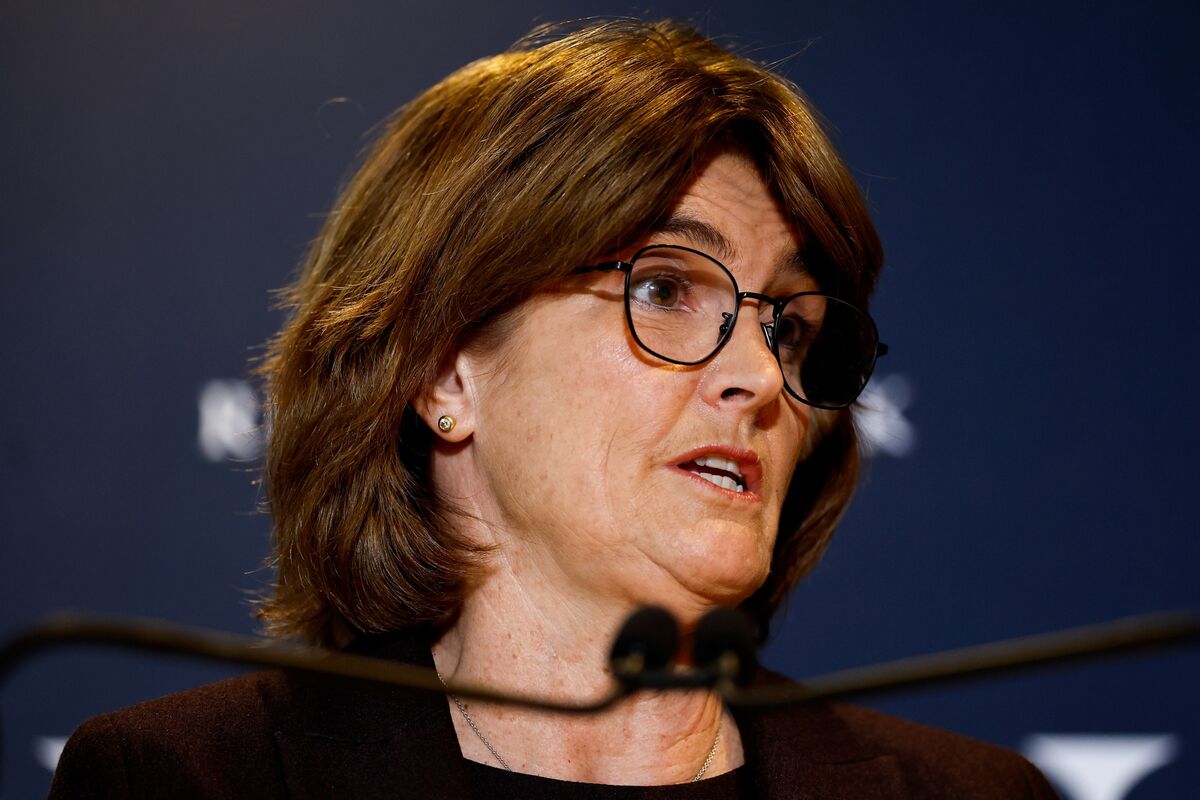
The latest reading confirms that upside risks flagged by policymakers have materialized into concrete economic pressures. RBA’s Bullock noted that inflation risks are materializing across the broader economy, while Deputy Governor Andrew Hauser reiterated that current price growth remains too high. According to Bloomberg data, market expectations for a November interest rate hike surged following the data release, putting the implied probability of a 0.25 per cent increase at about 85 to 87 per cent.

Bond traders aggressively adjusted positions immediately following the 11:30 AM data drop. Commonwealth Bank economists subsequently updated their baseline forecasts, now projecting the cash rate to peak at 4.85 per cent. This sharp repricing stands in stark contrast to the Reserve Bank of New Zealand, which left its cash rate on hold on Wednesday and caught bond markets off guard, as noted by AFR.
Domestic Pressures Meet Geopolitical Supply Shocks
Australia’s inflation challenge stems from a combination of persistent domestic demand and external geopolitical disruptions. Federal Treasurer Jim Chalmers pointed directly to the conflict in the Middle East during a Canberra press conference reported by Nine.com.au, stating that higher global oil prices are feeding directly into domestic inflation. However, economists emphasize that external shocks are only part of the equation.
Underlying price pressures remain sticky across the domestic service sector. Bureau of Statistics head of price statistics Rachael McCririck highlighted that housing continued to be the single largest contributor to annual inflation in September. Private and public demand, alongside subdued productivity growth, continue to underpin domestic inflationary momentum.
| Inflation Metric | Previous Quarter / Month | Latest Reading (Q3 / September) |
|---|---|---|
| Quarterly Trimmed Mean (Core CPI) | 0.8 per cent (Q2) | 1.0 per cent (Q3) |
| Annual Trimmed Mean (Core CPI) | 3.6 per cent (Q2) | 3.7 per cent (Q3) |
| Monthly Headline Inflation (ABS) | 4.0 per cent (August annual) | 4.3 per cent (September annual) |
Main Street Impact and Consumer Squeeze
KPMG Australia chief economist Brendan Rynne noted that this report serves as the final data point required for the central bank to act, warning that prolonged high interest rates risk intensifying recessionary pressures if inflation fails to swing downward in the coming months.
“Inflation is well above target, it has surprised higher and there are no clear signs that it’s easing. If the RBA doesn’t raise rates next week, then their credibility could take a hit and embed higher inflation expectations further.”
As the Reserve Bank prepares for its upcoming Melbourne Cup day policy decision, all eyes remain fixed on whether policymakers will raise interest rates.
Disclaimer: The information provided in this article is for educational and market analysis purposes only and does not constitute financial, investment, or legal advice. Always consult with a certified financial professional before making investment decisions.
Keep reading

Singapore to Raise Retirement Age to 65 and Re-employment Age to 70 by 2029
On October 26, 2026, in Singapore, the Tripartite Workgroup on Senior Employment released a sweeping blueprint to address...

Cheyenne Man on Trial for Murder of 4-Month-Old Son Admits to Covering for Wife
On Tuesday in Laramie County District Court, 24-year-old Joseph Hanson told a jury he felt ashamed for shielding...

Brewers Watch Party Ticket Prices Surge to $270 for Game 4
Resale Prices Explode for American Family Field Watch Party Single resale tickets on StubHub for the watch party...

Four Candidates Vie for West Virginia House District 12 Seat in General Election
Four Candidates Chase West Virginia District 12 Seat in November 3 General Election Four candidates are actively campaigning...