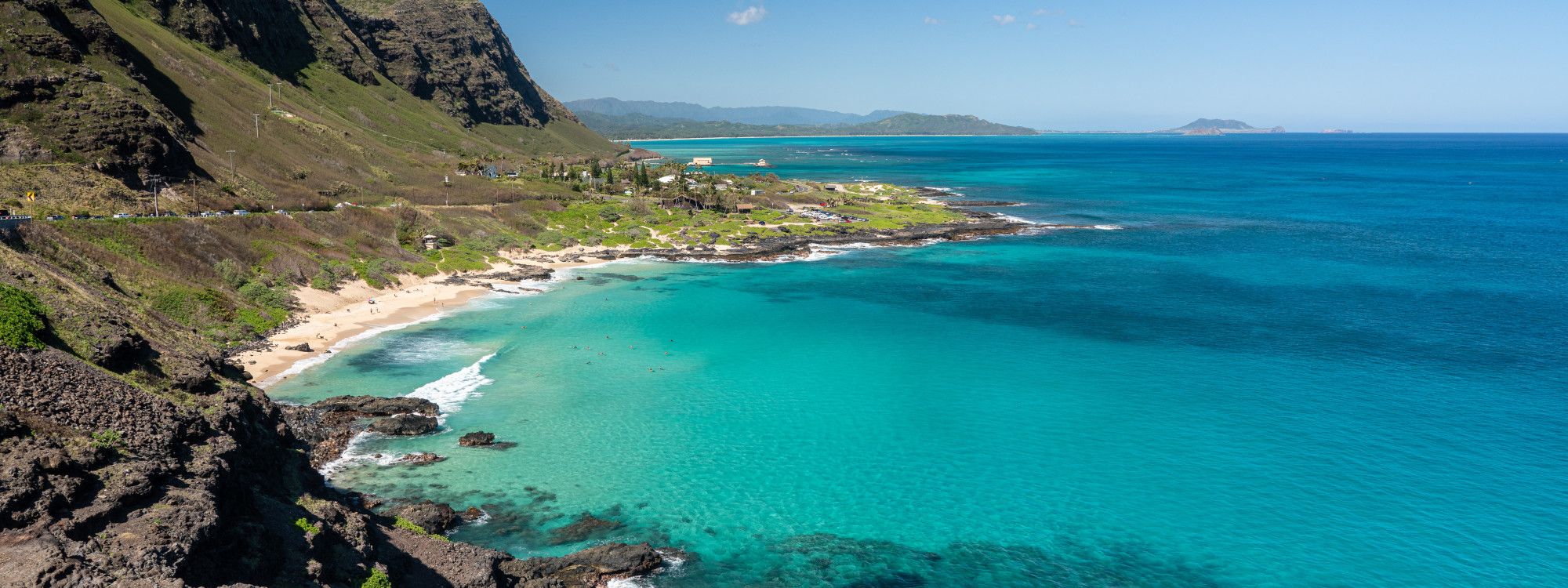
Travelers flying from the U.S. East Coast or eastern Canada can reach the Azores in about four to five hours on direct flights, roughly half the time required to reach Hawaii. Azores Airlines operates year‑round nonstop service to Ponta Delgada from Boston, New York JFK, Toronto and Montreal, while United adds seasonal flights from Newark.
A flight from the East Coast to Hawaii typically takes 10 hours or more.
The analysis notes that Americans need a passport for the Azores but not for Hawaii, since Hawaii is a domestic destination. For Canadians, both archipelagos count as international trips.
On cost, the site says a week in the Azores generally runs less than a comparable stay in Hawaii: mid‑range hotels often cost $100 to $150 a night, a local lunch about $10 to $15 per person, and many natural attractions, hiking trails and viewpoints are free. Hawaii is described as having higher hotel and food prices.

Hawaii wins on classic beach conditions, offering warm, clear water and wide sandy shores. The Azores boast a handful of sandy beaches, including Areal de Santa Bárbara on São Miguel, along with natural lava pools, though the water is cooler and conditions hinge on the swell.
In exchange, the Azores provide dramatic, largely undeveloped coastline and lighter crowds. Popular Hawaiian sites on Maui and Kauai now require advance reservations to manage visitor numbers, while the Azores receive far fewer visitors; outside the busiest viewpoints in July and August, trails and villages are quiet, and the islands of Flores and Corvo feel remote.
Both destinations offer hiking, whale watching, diving and volcanic scenery. The Azores also feature hot springs, crater lakes and canyoning, and are cited as one of the best places in the Atlantic for whale watching, with up to 28 species of whales and dolphins recorded.
Weather differs as well: Hawaii’s leeward coasts are sunny most of the year, while the Azores have a mild but changeable climate with rain possible in any season; June through September is the most settled period.

Azorean food is described as local and good value — grilled limpets, fresh fish, beef, cheese and cozido cooked in the ground at Furnas — with the islands producing a large share of Portugal’s milk. Traditions such as the Espírito Santo festivals are lived by locals rather than staged for visitors.
The guide concludes that travelers should choose Hawaii if beach time and warm water are the priority or if they want to avoid a passport, and choose the Azores if they live on the East Coast or in eastern Canada, prefer fewer crowds and lower costs, and care more about volcanic terrain, hot springs and whales than about beaches.
Keep reading

Work Hive SLC Urges Testing Workspace Conditions Over Amenities
Work Hive SLC is advising professionals touring coworking spaces in Salt Lake City to evaluate functional workspace conditions...

Las Vegas Police Renew Appeal in 1982 Cold Case Killing of California Businessman
Las Vegas police renewed their appeal Tuesday for information about the 1982 killing of a California businessman whose...

Man Arrested in Texas After Fatal Wichita Hit-and-Run; DA Disputes Vehicular Homicide Charge
Wichita police say the driver of a pickup truck that crossed the center line on South Woodlawn, killing...

Chicago Park District CEO Details $654.8M Budget, Arts Expansion and Soldier Field Revenue Risk
The Chicago Park District board will vote in December on a $654.8 million budget proposal for 2027, WTTW...