South Carolina updated its comparative negligence statute for premises liability claims filed on or after January 1, 2026, allowing juries to assign fault to non-parties and limiting payment by defendants found less than 50 percent responsible.
The change, codified at S.C. Code Ann. 15-38-15, applies to slip and fall cases that often involve contractors, cleaning companies or other third parties, Leffew Law Firm reported. Under the prior rule, a plaintiff could recover only if their negligence did not exceed the defendant’s, with damages reduced proportionally.
“For claims arising on or after January 1, 2026, the jury may also assign fault to people or companies who are not parties to the case, and a defendant found less than 50 percent at fault generally pays only its share of the damages,” the firm said, citing the statute.
South Carolina continues to classify visitors as invitees, licensees or trespassers, a distinction that sets the duty owed. Invitees — such as shoppers or restaurant guests — are owed reasonable care and warning of hidden dangers. Licensees, including social guests, must be warned of concealed hazards the owner knows about. Trespassers are owed only a duty to avoid willful or wanton injury.
Notice remains a central hurdle in slip and fall cases.
Plaintiffs must show the owner created the hazard or had actual or constructive knowledge of it. Constructive knowledge is proven by showing a foreign substance remained on the floor long enough to be discovered and removed with ordinary care, according to Garvin v. Bi-Lo, Inc., 343 S.C. 625 (2001).
The open and obvious doctrine bars recovery for dangers known or obvious to the visitor, unless the owner should have anticipated harm despite the obviousness. Courts applied this to a visible embankment at a restaurant in Easterling v. Burger King Corp., 416 S.C. 437 (Ct. App.
2016).
Claims against government entities follow the South Carolina Tort Claims Act. Suits generally must be filed within two years, with recovery capped at $300,000 per person and $600,000 per occurrence. Punitive damages are unavailable. Private premises claims carry a three-year statute of limitations under S.C. Code Ann.
15-3-530(5).
Venue for state court cases lies in the county tied to a defendant’s residence or principal place of business, or where the most substantial part of the act occurred, per S.C. Code Ann. 15-7-30. The Charleston firm serves all 46 South Carolina counties.
Worth a look

Work Hive SLC Urges Testing Workspace Conditions Over Amenities
Work Hive SLC is advising professionals touring coworking spaces in Salt Lake City to evaluate functional workspace conditions...

Las Vegas Police Renew Appeal in 1982 Cold Case Killing of California Businessman
Las Vegas police renewed their appeal Tuesday for information about the 1982 killing of a California businessman whose...

Man Arrested in Texas After Fatal Wichita Hit-and-Run; DA Disputes Vehicular Homicide Charge
Wichita police say the driver of a pickup truck that crossed the center line on South Woodlawn, killing...
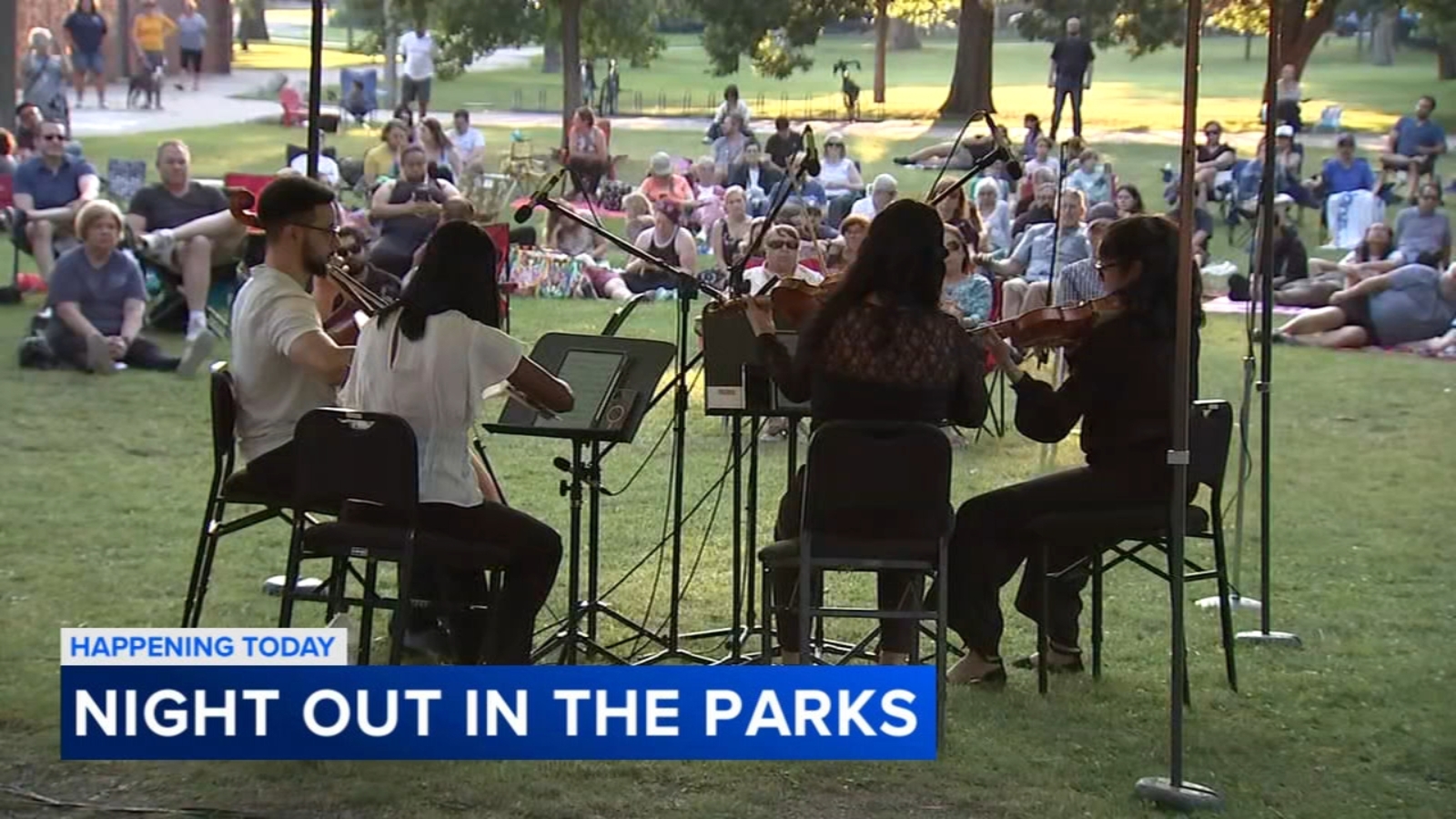
Chicago Park District CEO Details $654.8M Budget, Arts Expansion and Soldier Field Revenue Risk
The Chicago Park District board will vote in December on a $654.8 million budget proposal for 2027, WTTW...