Britain’s latest National Survey of Sexual Attitudes and Lifestyles (Natsal-4) shows adults under 45 now have sex twice a month on average, down from four times in 1990–91, and one in three 16- to 24-year-olds have never had sex, according to findings published in The Lancet.
Sex frequency and experience decline across age groups
The survey, conducted between September 2022 and January 2024, interviewed 6,719 people aged 16–59 across England, Scotland and Wales. Among all adults 16–59, 77 percent reported having had sex at least once in the past year, The Independent reported. Women reported a monthly average of once, men twice.
The proportion of 16- to 24-year-old women who have never had sex rose from 18.9 percent in 2010–12 to 37.7 percent in 2022–24; for men the same age, the figure increased from 18.2 percent to 28.4 percent, The Pharmacist reported. Frequency also fell among 35- to 44-year-olds, from three times a month a decade ago to two times now.

Combined pill use halves among young women
Use of the combined pill among women 16–24 dropped from 65 percent to 50 percent over the past decade, while hormonal coil use rose from 4 percent to 10 percent across all ages, The Independent reported. The Guardian noted the pill’s decline from nearly half to less than a third among young women, coinciding with a surge of online information — some accurate, some misleading. One in five women at risk of unintended pregnancy reported using no effective contraception, a proportion unchanged for more than a decade, The Pharmacist found.
Chlamydia testing among young women fell from 54 percent in 2010–12 to 18 percent in 2022–24; HIV testing among Black heterosexual men dropped from 15 percent to under 5 percent. Around three in four women and more than four in five men with opposite-sex partners who reported STI-risk behaviours had not used a sexual health service in the previous year, the British Association for Sexual Health and HIV (BASHH) said.
Abortion rise concentrated in deprived groups
The proportion of women aged 16–54 who have ever had an abortion rose from 16 percent to 21 percent over the past decade, The Guardian reported. MSI Reproductive Choices said the increase is accounted for entirely by women without a university degree (16 percent to 25 percent) and those in the most deprived areas (14 percent to 26 percent).
Dr Sarah Salkeld, MSI’s deputy medical director, told The Guardian that MSI legally asks women why they seek an abortion, and the deprivation-driven pattern comes as no surprise: “if you struggle to find a GP appointment, still less a walk-in service, and your work isn’t flexible and your caring responsibilities won’t wait, the unwanted pregnancy itself is an economic effect.”

Childbearing intentions and same-sex experience
Women saying they definitely do not want children doubled from 8 percent in 2010 to 17 percent in 2022–24, quadrupling among 25- to 34-year-olds from 4 percent to 17 percent, The Independent reported. The proportion unsure about wanting children rose from 29 percent to 36 percent among childless 16- to 44-year-olds.
Dr Laura Oakley, associate professor of epidemiology at LSHTM, told The Independent: “Understanding what’s driving this – whether economic insecurity, climate anxiety or changing life priorities – should now be a priority for future research and policy.” Reporting of same-sex experience doubled among women (7 percent to 14 percent) and tripled among men (4 percent to 12 percent) over the decade, The Independent said.
Porn viewing widespread among young adults
More than one in three women (37 percent) and around four in five men (81 percent) aged 16–59 reported watching porn in the past year, the BBC reported. Among 16- to 24-year-olds, half of women and 86 percent of men said they watched it. Porn use and masturbation were less common among those who had never had sex, suggesting solo and online activity is not simply replacing in-person sex, though researchers cannot be sure.
Soazig Clifton, honorary senior research fellow at University College London and a study author, told the BBC: “When we did our fieldwork in 2022–24 that seemed a little bit sci-fi. In the future we might be looking at the impact of AI on people’s sexual behaviour and on their relationships, thinking about things like AI companions.”
Clifton also told LBC the decline in sex is seen in other countries where researchers have examined links with digital technology, adding: “But there are other theories as well.”
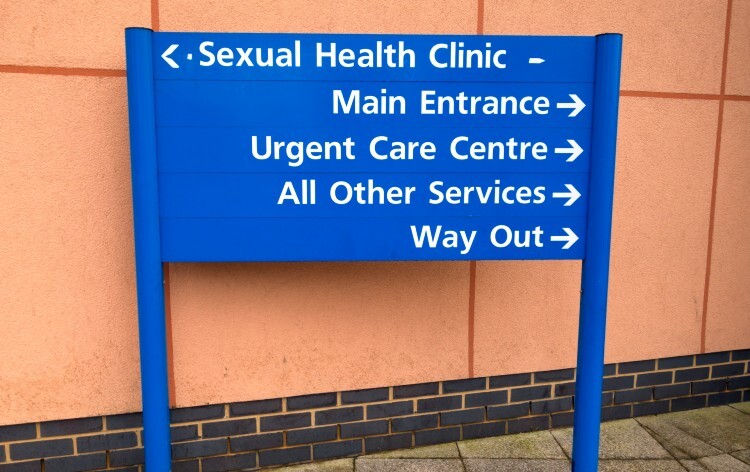
Sexual wellbeing and strategy vacuum
One in seven people reported low sexual wellbeing, most common among young people, LGBTQ+ people, disabled people and those on lower incomes. BASHH president Dr Cara Saxon told The Pharmacist: “After more than a decade of funding cuts, a pandemic and huge shifts in how we live our lives online, sexual health services are seeing greater complexity than ever. That isn’t only clinical: safeguarding and psychosexual needs are changing too. Services are struggling to meet demand, let alone reach the people who aren’t yet coming through the door.”
England has been without a comprehensive national sexual health strategy since 2013; Dr Saxon said the government’s upcoming Sexual Health and Reproductive Health Framework is “England’s chance to act on this evidence.”
Related reading
- Irish SMA Patients Blocked from Approved Drug Risdiplam by Hospital Physiotherapist Shortage
- KIMM Etches WS₂ to Atomic Layer Across 6-Inch Wafer
- Median Net Worth Peaks at 75+ in the Fed's Survey, but the Lead Is Thin (daybreakwire.com)
- Bodycam Footage Shows Moment Billy Allison Is Told He Is Under Arrest for Murder of Pub Landlord (archyde.com)

Irish SMA Patients Blocked from Approved Drug Risdiplam by Hospital Physiotherapist Shortage
Adults with Spinal Muscular Atrophy in Ireland cannot access the drug Risdiplam because Beaumont Hospital lacks the physiotherapists...

KIMM Etches WS₂ to Atomic Layer Across 6-Inch Wafer
South Korean researchers have etched tungsten disulfide down to the atomic layer across an entire 6-inch wafer, a...
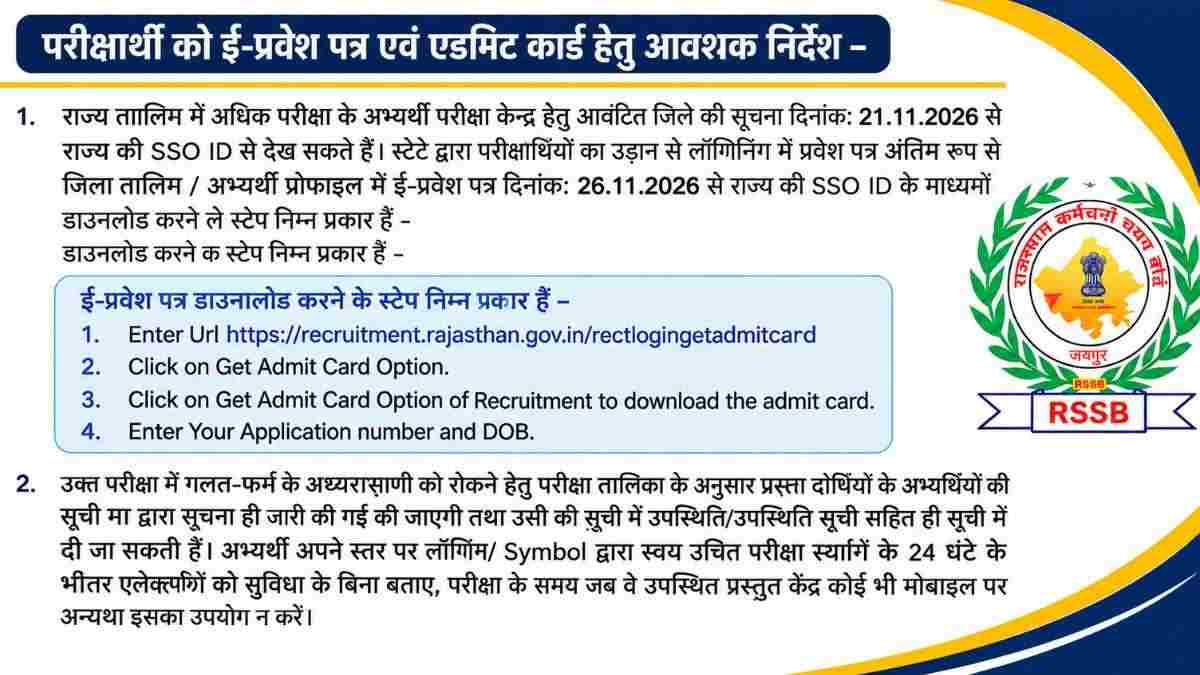
Rajasthan CET 12th Level Admit Card 2026 Released Today for December 1-3 Exams
The Rajasthan Staff Selection Board will release CET 12th Level admit cards today for exams beginning December 1...

I Used a Vibration Plate for a Month and It Stopped My Icy Hands and Feet
In a first-person piece for the Daily Mail, Laura Stott writes that a month of daily whole-body vibration...