
Virginia gardeners facing a long, gray winter can turn to a deep well of native and adapted plants that deliver color, structure, and fragrance from December through February, according to horticultural guidance from Virginia Tech and the Virginia Native Plant Society.
The research highlights a strategy built on contrast: pairing the vivid red stems of red-twig dogwood against evergreen backdrops like American holly, or letting the copper peeling bark of paperbark maple catch the low winter sun.
“The contrast between red stems, purple or red berries, evergreen foliage, ornamental grasses, and winter flowers can be extraordinary,” the Virginia Tech resource says.

For gardeners in the coastal plain and piedmont, the native winterberry holly remains a top performer. The deciduous shrub drops its leaves to reveal branches heavy with brilliant red berries, though female plants require a compatible male pollinator nearby to set fruit. American beautyberry offers a different palette, producing electric purple berries in fall that persist into early winter.
Bark and branch architecture take center stage when flowers are scarce. Paperbark maple (Acer griseum) displays cinnamon-colored bark that peels and curls, while Harry Lauder’s walking stick (Corylus avellana ‘Contorta’) twists into living sculpture. Japanese stewartia adds mottled bark in shades of gray, orange, and cream alongside its summer blooms and fall color.

Winter flowers arrive earlier than many expect. Common witch hazel (Hamamelis virginiana), a native understory tree, unfurls fragrant, spidery yellow flowers in late fall and early winter. Hellebores often begin blooming in January, their nodding flowers in white, pink, and burgundy rising above evergreen foliage.
Winter jasmine throws cheerful yellow flowers on bare green stems during mild spells, and paperbush (Edgeworthia chrysantha) produces fragrant yellow clusters on bare branches in late winter, best sited in a protected spot.
Grasses and seed heads provide movement and wildlife value if left standing until early spring. Pink muhly grass fades to tan plumes that catch frost beautifully. Little bluestem turns copper and bronze, while switchgrass holds tall, architectural seed heads through snow and wind. The spiky cones of purple coneflower feed goldfinches, and oakleaf hydrangea contributes peeling cinnamon bark and papery dried flower clusters.
Virginia Tech, founded in 1872 as the Virginia Agricultural and Mechanical College, began as a land-grant military institute on the former Preston and Olin Institute campus in Montgomery County.
Its first student, Addison Caldwell, walked more than 25 miles from Craig County to enroll on October 1, 1872, a journey re-enacted annually by the Corps of Cadets. Today the university operates educational facilities across six regions statewide and serves more than 38,000 students, making it Virginia’s second-largest public university by enrollment.
For gardeners willing to experiment, silk-tassel bush (Garrya elliptica) dangles long silvery catkins, and wintersweet (Chimonanthus praecox) perfumes the air with yellow flowers on bare wood. Camellia japonica offers glossy evergreen leaves and spectacular winter-to-spring blooms, particularly reliable in eastern Virginia.

C.A.R.E. Board Meets Thursday With 160 Animals in Shelter
The C.A.R.E. Board meets Thursday as the shelter housing over 160 animals launches its Giving Tuesday campaign for...
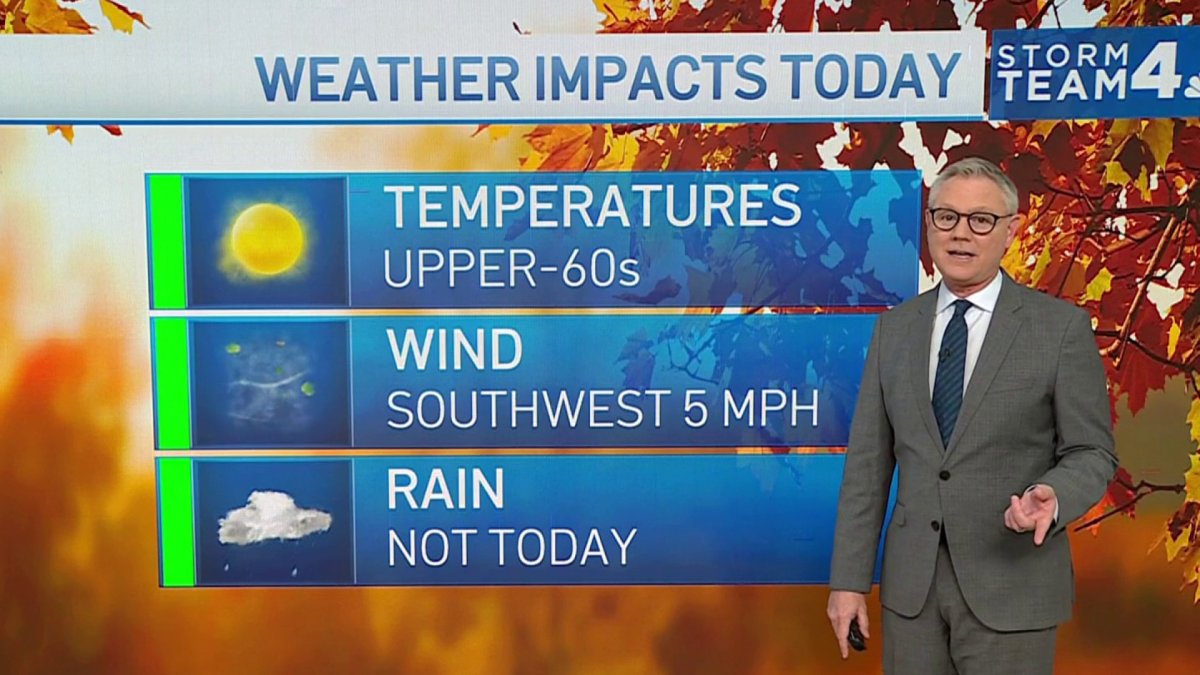
Mid-Atlantic Sliding Back Into Drought; Coastal Storm May Bring Weekend Rain, Cold Thanksgiving Ahead, NBC4 Says
The Mid-Atlantic is sliding back into drought while a coastal storm forming off Florida this weekend could either...

Talbott Springs Elementary Lifts Proficiency Above State Averages, the Banner Reports
Talbott Springs Elementary in Columbia nearly doubled the statewide improvement rate on Maryland's annual assessment, lifting math proficiency...

No. 15 Iowa at Illinois: CFP Stakes, Injuries, Odds and Picks
No. 15 Iowa carries an 8-2 record and College Football Playoff aspirations into Champaign on Saturday, where a...