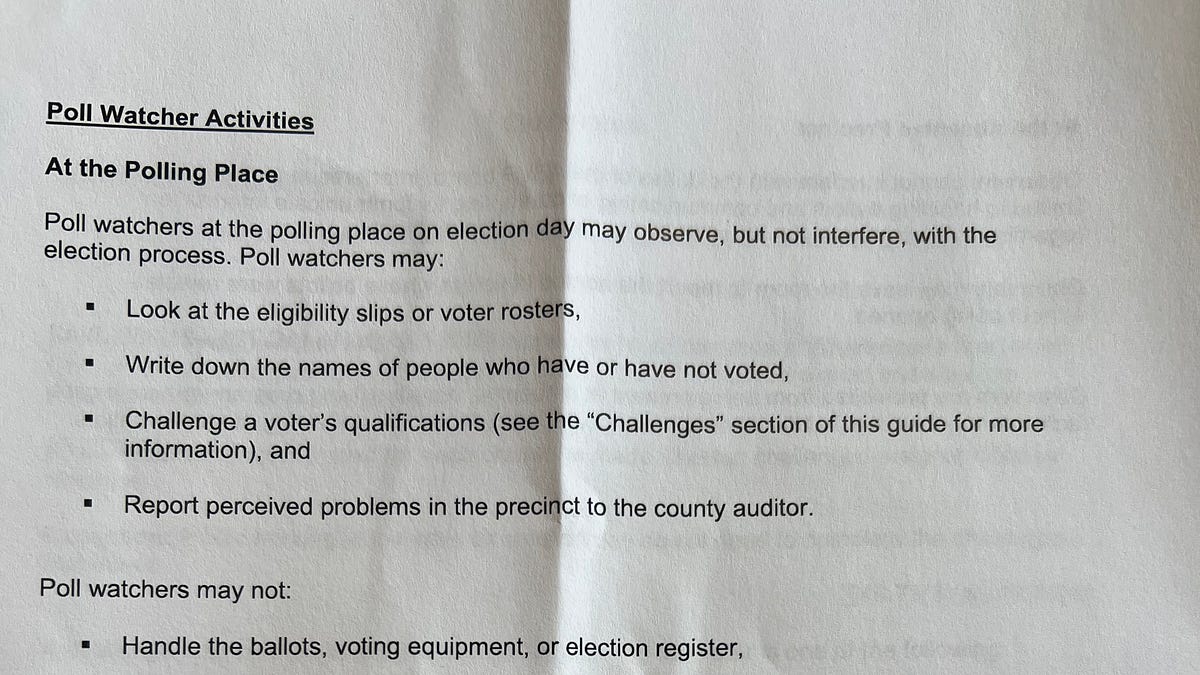
In a recent column for In the Dirt, Beth Hoffman argues that the atmosphere at Iowa polling places is shifting from a collaborative civic exercise into a high-tension environment defined by partisan surveillance. Hoffman, a poll worker in Monroe County, reports that while Iowa’s election system traditionally relies on a strict balance of Republican and Democratic workers to ensure fairness, the cycle is introducing a new, unbalanced element: a coordinated surge of Republican poll watchers across all 99 counties.
The shift matters because it alters the psychological contract of the polling place. In rural Iowa, election day has been viewed as a community effort where bipartisan pairs drive results to the courthouse together. Now, the introduction of observers specifically trained to “catch” workers in mistakes introduces a layer of adversarial oversight that Hoffman suggests could be used to challenge legal election results if the outcome is unfavorable to one party.
Partisan observers enter rural precincts
Poll watching is a legal practice in Iowa, open to political parties, candidates nominated by petition, and various advocacy groups. However, Hoffman notes that in places like Monroe County, this has rarely been a prominent feature of the voting experience. This year, she was informed during training that three Republican poll watchers would be present in her county, part of a broader effort by the Republican Party to register observers statewide.

The tension stems not from the legality of the observers, but from the perceived intent. Hoffman writes that these watchers are likely not there to observe democracy in action, but to scrutinize poll workers for minor technical errors. She argues that such “small missteps” could be weaponized to call the entire election into question, regardless of whether the votes were cast and counted legally.
The stakes extend beyond mere observation. Hoffman points to a 2021 lawsuit involving one of the observers in her county, in which the individual challenged the county’s right to ban weapons from the City County Building. Because Iowa law allows the carry of firearms into polling places that are not schools or courthouses, the presence of such individuals adds a layer of potential intimidation to the environment.
The gap in worker protections
A central point of Hoffman’s critique is the disparity in guidance provided to those running the election versus those watching it. While observers are provided with a “Poll Watchers Guide” (published September 2022) that outlines their rights and the process for challenging a voter’s eligibility in writing, Hoffman claims that poll workers have received no such rulebook to protect their own rights or those of the voters.

She expresses particular concern over a rule requiring workers to provide the names of those who have and have not voted. This requirement, combined with a lack of clear direction on how to prevent voter harassment, leaves workers in a precarious position. Hoffman notes that she reached out to the office of Secretary of State Paul Pate for a script or emergency plan to handle escalating situations with observers, but as of her writing, she had not received a substantive response beyond being told a “specialist” would handle the request.

Hoffman states that she will do her job to the best of her human abilities, as will thousands of other Republican and Democrat poll workers, all working together to make the “crazy experiment” known as the United States work.
To counter this perceived imbalance, the Iowa Citizens for Community Improvement (ICCI) has organized “roving poll monitors.” These volunteers are tasked with traveling between early voting locations on October 31 and multiple polling places on Election Day, November 3, to identify and report problems and assist voters who may feel intimidated. Those interested in volunteering have been directed to training sessions running through October 29.
The counter-argument for election integrity
Hoffman references a controversy involving Secretary Paul Pate’s release of information to the federal government, suggesting a climate where the privacy of voter data is already under strain. For those managing the polls, the intersection of federal data requests and local partisan surveillance creates a volatile mix.
As the November 3 election approaches, the divide in Iowa is no longer just about who is voting, but about who is watching the voters. The experience in Monroe County suggests that the “business as usual” approach to bipartisan cooperation is being replaced by a more rigid, supervised model of civic engagement.
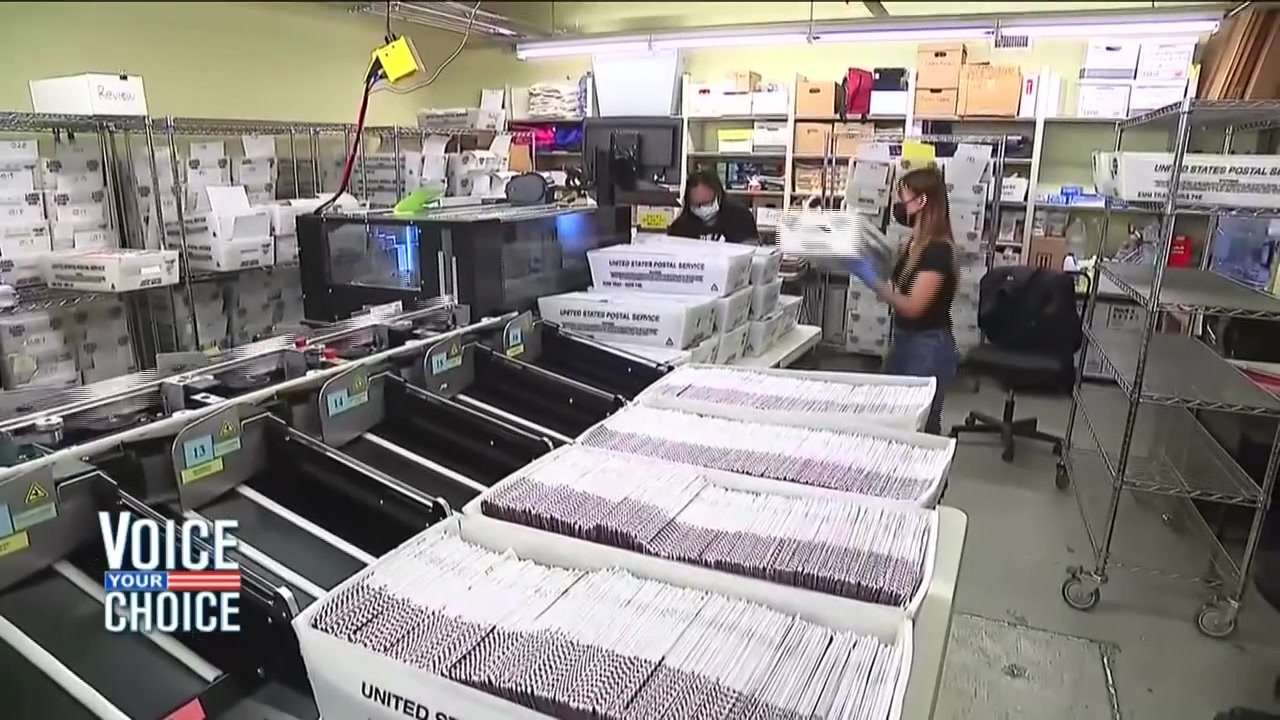
Massachusetts voters face nine ballot questions this election day
Massachusetts voters face nine distinct ballot questions this Election Day, covering a sweeping range of civic issues from...
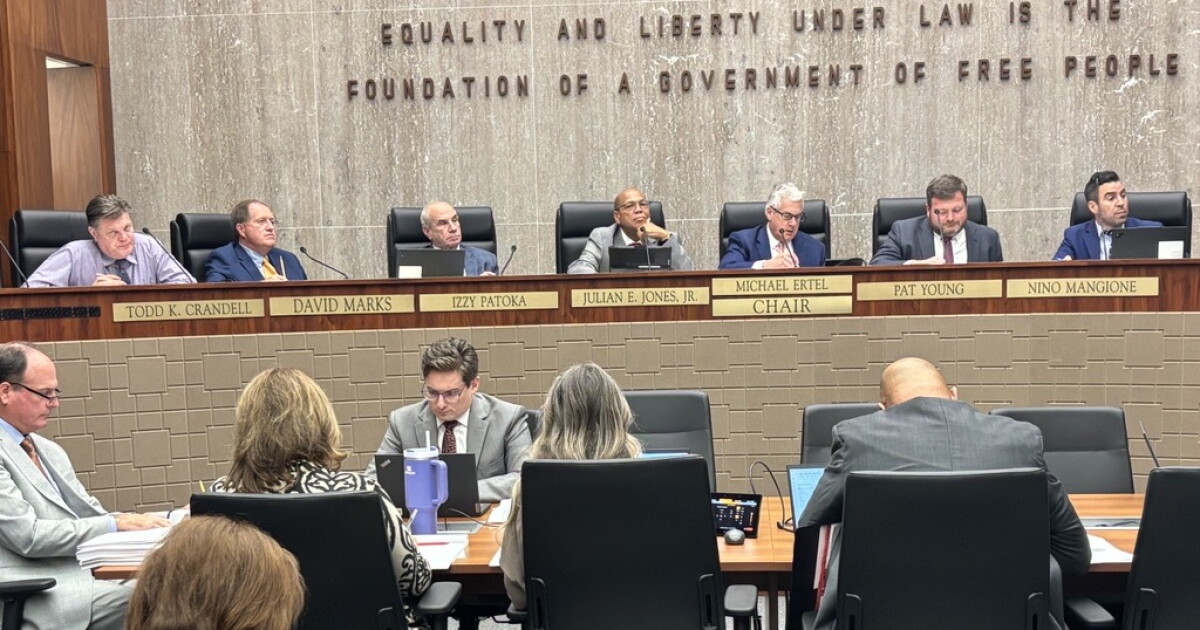
Baltimore County Council Approves Pay Hikes for Top County Officials
The Baltimore County Council is moving to significantly increase salaries for top county officials and future council members...
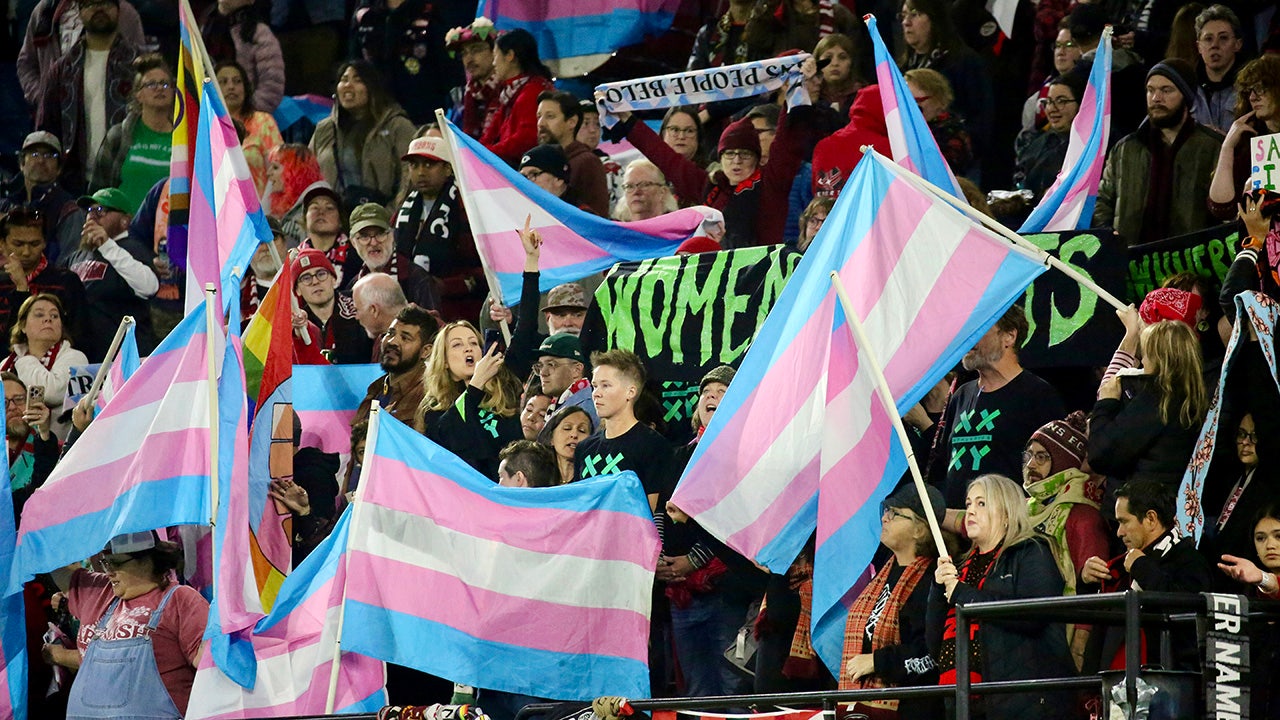
Ari Laureano Alleges He Was Attacked With Flagpoles at Thorns Match
Ari Laureano opened his coat at a Portland Thorns match on Friday, Oct. 23, 2026, to reveal an...

Meredith Jean Mann Dies at 100 Years Old
Meredith Jean Mann of Flora passed away on Thursday, October 1, 2026, at St. Elizabeth Healthcare in Delphi,...