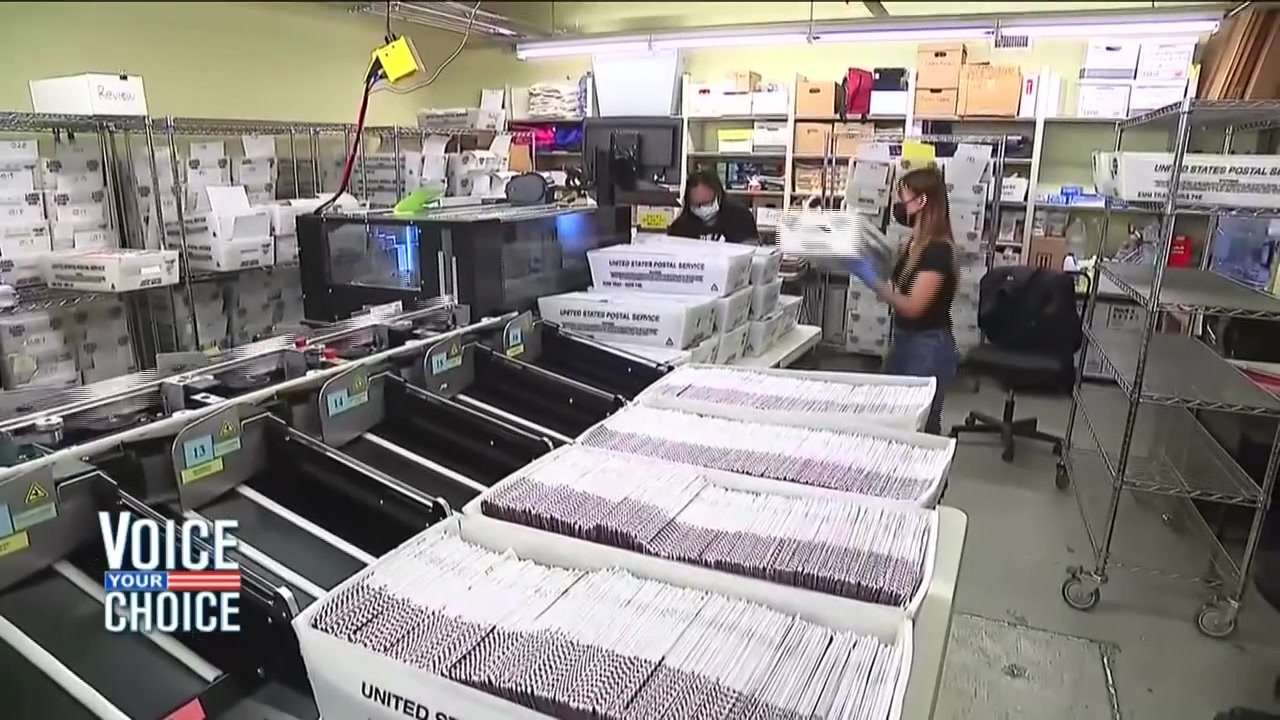
Massachusetts voters face nine distinct ballot questions this Election Day, covering a sweeping range of civic issues from gun control and cannabis legality to housing density and voting rights. These measures, as reported by WHDH, will determine whether the state expands public transparency, alters its primary election system, or reverses laws on recreational marijuana.
The fight over cannabis and gun laws
Two of the most contentious items on the ballot involve the repeal of existing state laws. Question 8 asks voters to make the recreational use of cannabis illegal again and would repeal the laws that currently allow adults to grow cannabis in their own homes.
Similarly, Question 9 asks whether to uphold or repeal a state gun law passed in 2024. The outcome will decide if the restrictions implemented remain the law of the land or are stripped away entirely.
Expanding the vote and public transparency
Several questions aim to lower barriers to political participation and increase government accountability. Question 1 would expand the state’s public records law to specifically include the Legislature and the governor’s office, potentially opening up internal communications and decision-making processes to public scrutiny.
Voter access is also on the line with Question 4, which would allow residents to register and cast a ballot on the same day starting January 1, 2028.
Furthermore, Question 3 proposes a shift in how candidates are selected by establishing an all-party primary system. If passed, this system would begin in 2028.

Proposals address home lot size and land conservation
The state’s housing is addressed in Question 7, which would allow the construction of single-family homes on lots as small as 5,000 square feet.
While Question 7 looks at density, Question 6 focuses on the environment. It proposes dedicating a specific tax—already paid by consumers on recreational vehicles, sporting goods, or at golf courses—to land conservation efforts.
Taxation and labor rights
Financial policy is at the center of Question 5, which deals with the state’s revenue cap. This question would change the amount of tax revenue the state can collect based on wage and salary growth; if the state exceeds this cap, taxpayers must be refunded.
Finally, Question 2 focuses on the public sector, specifically asking voters to allow employees of the Committee for Public Counsel Services to unionize.
Worth a look
Iowa City School Board to Announce $13 Million Budget Cuts March 9
The Iowa City School Board is preparing to unveil a series of aggressive budget cuts on March 9,...

Indianapolis Motor Speedway opens ticket purchases for 2027 season
Tickets for the 2027 event season at the Indianapolis Motor Speedway are now available for purchase via IMS.com...
Man Killed in FBI Agent-Involved Shooting in Dixmoor, Illinois
A 22-year-old man was shot and killed by FBI agents during a federal warrant operation in Dixmoor, Illinois,...

Kristan Hawkins Debates Abortion at Boise State Campus
Kristan Hawkins, president of the anti-abortion nonprofit Students for Life of America, stood beneath a canopy tent behind...