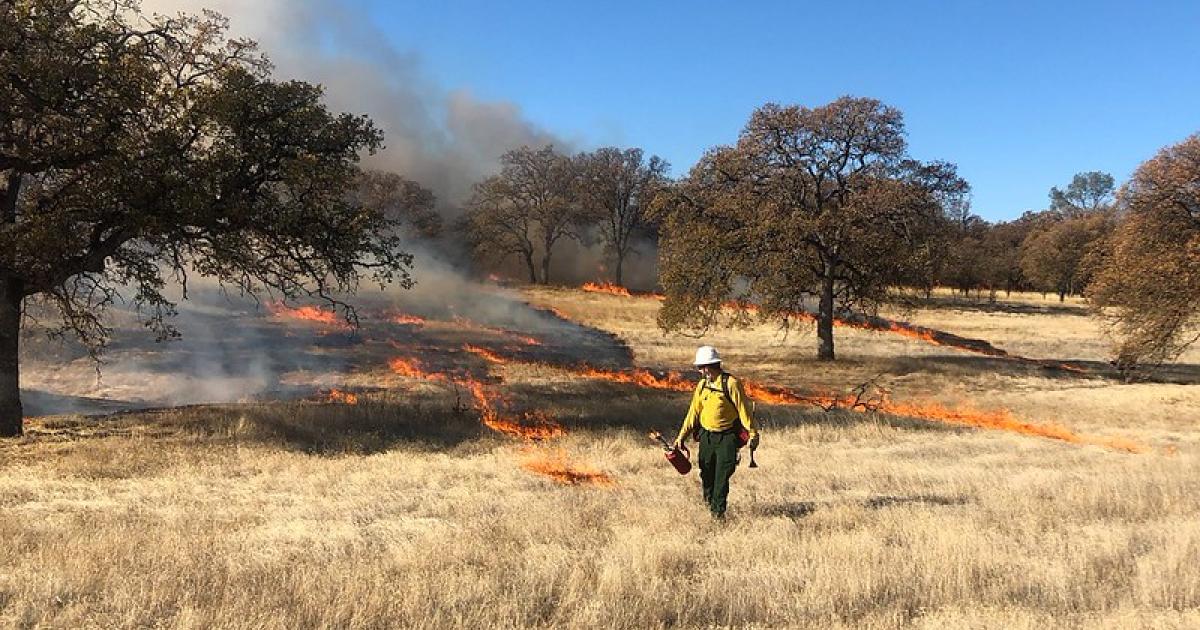
California’s Strategic Fire Season Begins
Starting as early as November 10, the Bureau of Land Management (BLM) and the U.S. Wildland Fire Service are initiating a series of prescribed fire operations across ten Central California counties.
This effort, which spans the fall and winter months, targets hazardous fuel loads in Amador, Calaveras, El Dorado, Mariposa, Nevada, Placer, Sacramento, Stanislaus, Tuolumne, and Yuba counties.
The decision to utilize controlled fire comes as a necessary intervention to restore ecological health and reduce the risk of catastrophic wildfires in the wildland-urban interface.
By intentionally burning undergrowth, dead trees, and residual materials from previous thinning projects, agencies aim to break the continuity of fuels that often feed large-scale, uncontrollable blazes. The Bureau of Land Management notes that these treatments are central to their mission of sustaining the productivity of public lands for future generations.
The Mechanics of Controlled Risk
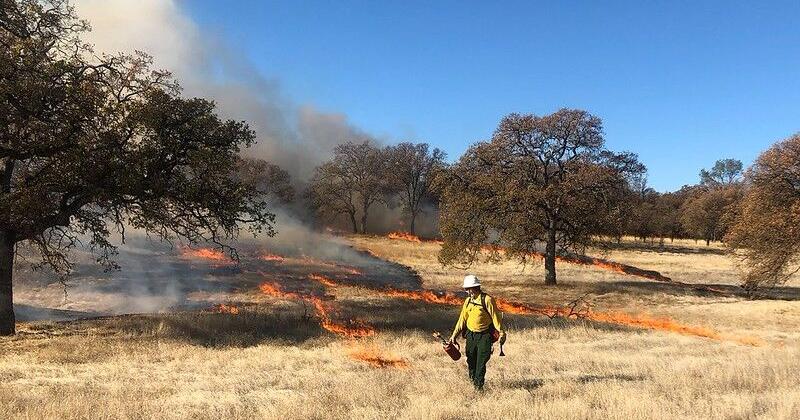
Fire managers are employing a variety of techniques to manage the landscape, ranging from broadcast burning—where fire is applied across an entire designated area—to the ignition of hand and machine-piled brush. These operations are not conducted haphazardly. According to the Bureau of Land Management, burns occur only when specific weather, fuel moisture, and air quality parameters align to ensure containment and limit the impact on local communities.
To keep these fires within their intended boundaries, crews utilize both natural landscape features and constructed control lines. While these measures are designed to minimize smoke production, the agencies acknowledge that residents in nearby areas may see smoke or experience settling in low-lying spots overnight. For those tracking the progress of these treatments, the BLM provides detailed information on upcoming and active burns online.
Balancing Ecosystem Health and Public Safety
The practical reality of living near these project areas requires a degree of caution from the public. Officials suggest that residents close their windows at night if smoke settles in their vicinity. For motorists, the guidance is equally clear: if driving through smoky conditions, drivers should slow down and keep headlights on to maintain visibility.
People with heart or lung disease, asthma or other chronic conditions should ask their doctors about protecting themselves from smoke and monitor their local air quality map.
This advice, shared by both the Bureau of Land Management and Ledger News, highlights the inherent friction between long-term fire prevention and immediate public comfort. While the environmental benefits of restoring native ecosystems and reducing hazardous fuels are well-documented by land managers, the immediate presence of smoke remains a significant concern for sensitive populations.
The Economic and Ecological Stakes
The scale of this operation is substantial, reflecting the broader responsibilities of the federal agencies involved. The Bureau of Land Management manages approximately 245 million acres of public land across 12 western states, while the U.S. Wildland Fire Service oversees protection across more than 500 million acres of Interior-administered and tribal lands.
This coordinated effort is a direct response to the increasing intensity of wildfire seasons, which have historically strained state and federal resources.
Critics of prescribed burning often point to the risk of escapes or the immediate health impacts of smoke exposure. However, proponents, including federal land managers, argue that the “cost” of proactive burning is far lower than the economic and social devastation caused by unchecked wildfires that destroy homes and infrastructure.
By targeting the “load of dead trees, branches, and underbrush” now, agencies are attempting to purchase a margin of safety for the coming year.
As the winter season progresses, the effectiveness of these treatments will be measured by the ability of these agencies to balance public health concerns with the urgent need to manage California’s volatile landscape. Residents seeking specific information or reporting concerns regarding the burns can reach out to the BLM Mother Lode Field Office at 916-941-3101 or via email at [email protected].
Worth a look

Cowboys Escape Improbable Chaos to Defeat Colts 27-23
Dallas Cowboys escape Indianapolis in chaotic 27-23 victory The Dallas Cowboys secured a 27-23 comeback win against the...

WSU Women’s Basketball Defeats Idaho 76-53 in Dominant Home Opener
Washington State women's basketball secured a commanding 76-53 victory over Idaho on Monday afternoon, controlling the tempo from...
Former Cobb County deputy Julie Ann Barrs Dies in Murray County Floods
Julie Ann Barrs, a 56-year-old Ellijay resident and former Cobb County sheriff’s deputy, died on Thursday, Nov. 5,...
Jeremy Matlow Plans Cuts to Address Tallahassee $10M Budget Deficit
Tallahassee Mayor-elect Jeremy Matlow is preparing to face a potential $10 million deficit in the city's budget next...