
Block shares dropped roughly six percent following its second-quarter earnings report on August 5, 2026, despite a 65 percent year-over-year increase in adjusted earnings per share and raised full-year profit guidance driven by artificial intelligence workforce efficiencies and growing consumer lending originations.
Financial markets often punish companies for looking too far ahead, even when the immediate numbers beat expectations.
Artificial Intelligence Cuts Staff Costs While Lifting Per-Share Earnings
The standout story of the quarter was the profound impact of Block’s artificial intelligence initiatives on its cost structure and bottom line. Adjusted earnings landed at $1.02 per share, easily topping the $0.87 per share consensus estimate tracked by analysts. Driving this profit expansion was an aggressive corporate restructuring executed earlier in the year.
In February 2026, Block slashed its workforce by 40 percent, explicitly citing AI software tools that supercharged software engineer productivity and reduced overall headcount needs. Management pointed out that code changes per engineer have climbed 150 percent since January. While skeptical market participants might dismiss these margin gains as temporary, company executives rejected that interpretation.
Cash App Slowdown Stalls Transacting Activity Growth
The primary friction point for investors concerned the decelerating growth pace within Cash App. Monthly transacting actives grew by just 3 percent year over year, slipping from a 4 percent increase in the prior quarter as competition across mobile payments intensified. Management guided for low-single-digit percentage growth across those user metrics for the remainder of the year.
Yet that slowdown is partly deliberate. Rather than chasing raw user sign-ups, Block is deliberately prioritizing deeper monetization and higher economic value per user. Underlying engagement metrics underscore that strategy: Cash App consumer lending originations jumped 59 percent, and Commerce Enablement volume climbed 17 percent.
Square Ecosystem Momentum and International Gross Payment Volume
While Cash App faced user growth headwinds, the merchant-facing Square ecosystem posted accelerating performance metrics across multiple categories. Gross profit and gross payment volume (GPV) both advanced 13 percent, with U.S. GPV growth hitting its strongest pace since the second quarter of 2023. International markets proved even more robust, with international GPV surging 28 percent year over year.
Distribution channels also expanded significantly.
Raised Guidance Counters Short-Term Market Skepticism
Bolstered by its strong first-half execution, Block management raised its full-year 2026 outlook across key profitability metrics. The fintech enterprise now expects gross profit to reach $12.51 billion, representing a 21 percent year-over-year improvement. Adjusted operating income is projected at $3.47 billion with a 28 percent margin, while full-year adjusted EPS is anticipated to grow by 70 percent.
Product development velocity has matched this financial ambition. Square shipped 130 distinct product features during the first half of 2026—more than triple the output of the comparable 2025 period. Meanwhile, the Neighborhoods initiative, which bridges Square sellers with Cash App consumers, saw annualized seller GPV cross the $1 billion mark in June, surging 220 percent over the prior year.
Fintech Valuation and Forward Expectations Across the Sector
Trading at a forward 12-month price-to-earnings multiple of 17.05 times, Block’s valuation sits comfortably below Toast’s 21.32 times multiple, though at a premium to PayPal’s 10.50 times valuation. Analysts following the sector point out that this premium remains justifiable if Block sustains its gross profit expansion and protects the operating margins it secured in the second quarter.

Management’s decision to channel savings from AI-driven headcount reductions back into go-to-market strategies, Neighborhoods, and product development establishes the central trade-off for the back half of 2026. Whether patient investors are rewarded depends entirely on whether those higher operating expenses successfully fuel long-term revenue growth without eroding the structural margin gains that Fool and TradingView report as the core of the company’s current financial profile.
Worth a look
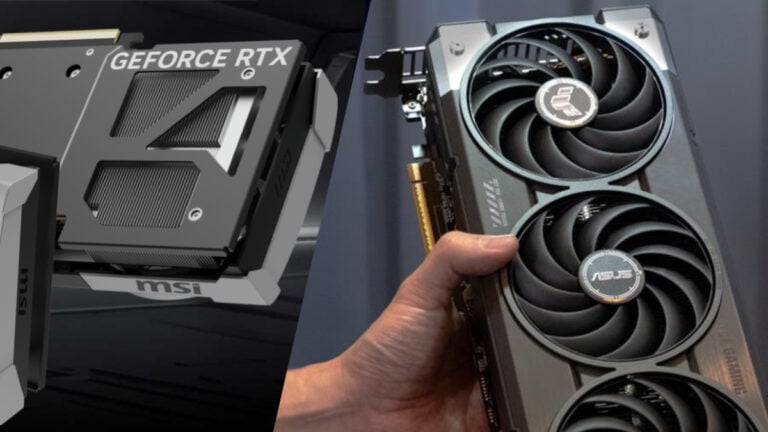
Nvidia and AMD GPU Prices Surge Up to 40 Percent Ahead of Q4 Hike
Graphics card prices have risen in 2026, driven by factors such as memory shortages, rising silicon costs from...

Nvidia and OpenAI Implement Safety Guardrails Amid AI Growth
Advanced artificial intelligence developers are tightening safety guardrails and pulling back on major model rollouts amid growing concerns...

Tanzania Explores Helsinki Startup Ecosystem to Boost Tech Hub Ambitions
Tanzania’s ambition to become a regional technology hub relies on more than digital infrastructure, with a study visit...

Apple releases iOS 27.0.1 for iPhone, here’s what’s new
Apple released iOS 27.0.1, delivering essential bug fixes for iPhone 18 Pro Face ID authentication crashes, camera color...