
The Blueprint for Maryland’s Future faces a critical test in the upcoming legislative session as lawmakers confront funding shortfalls, unrealized promises, and the ongoing debate over implementation timelines.
General Assembly Faces Blueprint Realities
The fate of the educational initiative hangs in the balance as the General Assembly prepares to convene. State leaders must address critical words written and spoken since the plan’s inception, including roughly 10 articles penned on the topic dating back to 2019. Implementation has reached past the halfway point with notable expansions in pre-K programs and community schools.
Yet, overall student achievement gains fall well short of the pace required to hit the legislation’s targets.
Implementing the reform involves too much work in too little time backed by insufficient funding. Gov. Wes Moore and legislative leaders point to legitimate state fiscal deficits while threatening major funding cuts. Annapolis officials need to treat honoring the educational framework as the state’s highest priority.
Proposed Paths Forward and Funding Priorities
Four specific reform paths offer a way through the fiscal crisis without destroying the core mission. First, leaders must resist large funding cuts that threaten the initiative. Second, any unavoidable cuts should occur by extending program timelines rather than curtailing or eliminating them. Third, lawmakers must set immediate priorities for cost-effective spending. Fourth, Annapolis should accelerate the search for new revenue sources to meet constitutional adequacy mandates.
Specific shifts in spending require difficult political choices among entrenched supporters. Funding should move away from concentration of poverty wraparound grants and toward early literacy and math instruction. Grants designed to reduce teacher classroom time and increase planning time should see further funding delays if necessary. Research indicates these latter areas deliver less impact per dollar than other educational priorities.
Leadership and Transparency Concerns
Decision-making in Annapolis lacks transparency, and top officials must change course. The governor bears singular responsibility for leadership but has not fully utilized his political capital to strengthen the program.
“He can’t, like many other governors nationwide, claim ownership of a major school reform initiative,” according to Maryland Matters.
The upcoming session will determine whether leaders step up to make courageous decisions. The ongoing struggle demands renewed resolve to honor commitments made to every student across the state.
Worth a look

No. 7 UCLA Moves to 6-0 Behind Filip Jović’s 17 Points in Season Debut, 85-48 Win Over Delaware
No. 7 UCLA moved to 6-0 for the first time since 2016-17 with an 85-48 dismantling of Delaware...

Michigan State Football Finding Future in DT Derrick Simmons, Young QBs After Oregon Loss
Michigan State fell 45-7 to No. 14 Oregon on Friday, Nov. 20, a loss that clarified the program’s...

Wembanyama Scores 50, Says Gomez Presence Made Him Elevate Play
Victor Wembanyama scored 50 points Saturday as the San Antonio Spurs routed the New Orleans Pelicans 114-91 at...
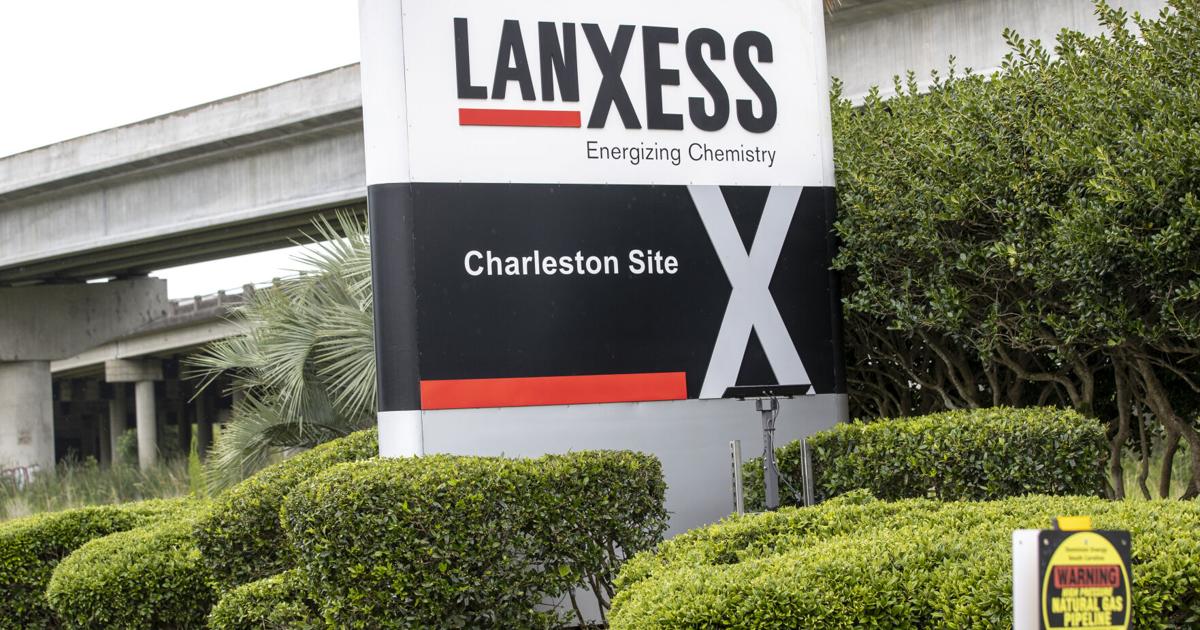
Lanxess Charleston Plant Faces Federal, State Investigations Over Air Permit Violations
South Carolina’s Department of Environmental Services filed a separate enforcement action in October 2025 after reviewing records from...