
Boise State Anthropology Students Take Top Honors at Idaho Archaeological Society Meeting
The academic rigor of the Boise State University Department of Anthropology was on full display in Nampa this past October. During the annual meeting of the Idaho Archaeological Society, held at the College of Western Idaho on Saturday, October 17, students and faculty from Boise State secured significant recognition for their contributions to the field, Boise State News reported.
The event served as a platform for both established researchers and rising scholars to share findings from across the Intermountain West. Professor Michael J. Mann anchored the department’s presence by delivering the keynote address, setting a high bar for the subsequent presentations that highlighted the university’s active role in regional historical archaeology.
Recognized Research and Student Success
The department’s success was marked by three specific awards recognizing excellence in both oral communication and visual research documentation. These honors reflect the diverse methodologies currently being employed by students, ranging from modern digital preservation techniques to the chemical analysis of ancient artifacts.
The following students were honored for their research projects:
- Joseph Nigro (MAA): 2nd place in Oral Presentation for “Preserving Basque Arborglyphs: Fieldwork, Documentation, and Emerging Technologies.”
- Ashley Rayne (BSc): 1st place in Poster Presentation for “Exploring Fremont Pottery Function Through Residue Analysis.”
- Maddie Wilson (BSc): 2nd place in Poster Presentation for “An Experimental Study of Alteration Patterns on Maize (Zea mays) Starch.”
According to coverage from Worldnews.com, these awards underscore the department’s focus on tangible, field-based learning. The research presented by these students is not merely theoretical; it is deeply rooted in the ongoing historical archaeology field school at Fort Boise. By engaging in these projects, students are gaining the technical skills required to interpret the complex archaeological record of Idaho.
The Significance of Regional Archaeology
The work presented by students like Joseph Nigro touches on a growing intersection between traditional archaeology and digital preservation. Arborglyphs—carvings left in the bark of aspen trees by Basque shepherds in the American West—are a fragile part of regional history. As these trees age and the environment shifts, the ability to use emerging technologies to document these carvings before they are lost to time has become a priority for many in the field.
Similarly, the research conducted by Ashley Rayne and Maddie Wilson highlights the shift toward scientific laboratory analysis in undergraduate studies. By examining residue on Fremont pottery and analyzing starch alteration on maize, these students are contributing to a broader understanding of subsistence patterns and daily life among the ancient inhabitants of the region. This transition from surface-level observation to granular, laboratory-based evidence is a hallmark of contemporary archaeological training.
Bridging the Gap Between Field and Classroom
The presence of Boise State faculty and students at the Idaho Archaeological Society meeting serves a dual purpose. It provides a professional venue for students to receive peer feedback while ensuring that the data recovered from the Fort Boise field school is disseminated to the wider community of researchers.
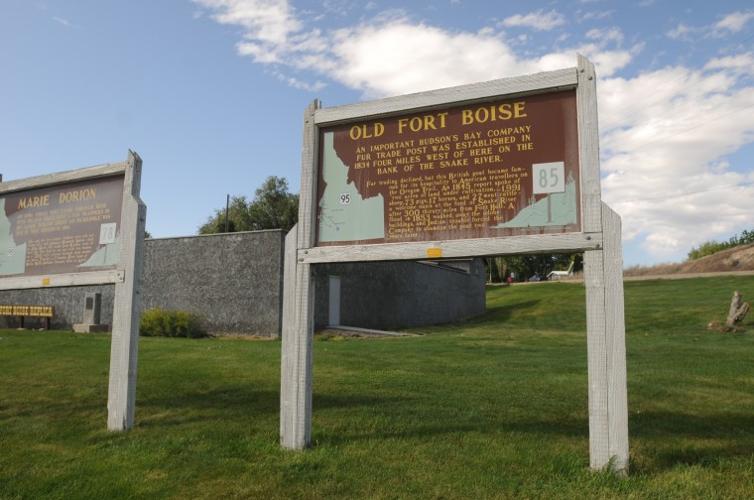
While the academic stakes for these students involve securing recognition and experience for future graduate studies or careers in cultural resource management, the civic stake is equally clear. The preservation of local history—whether it is the legacy of Basque sheepherding or the dietary habits of indigenous populations—relies on the consistent, rigorous work of these regional institutions. As this ongoing research continues, the department’s ability to turn fieldwork into publicly accessible presentations remains a vital part of the regional intellectual ecosystem.
Related reading

Nebraska football bowl eligibility in jeopardy after Illinois loss
The Nebraska Football Collapse and the Cost of Indifference Pain, misery, and suffering have become the recurring themes...

IRONMAN Montana is more than 60% sold out as athletes begin training
“I've always wanted to do an Ironman,” said Melissa Kapperud, a Great Falls resident and mother of three....
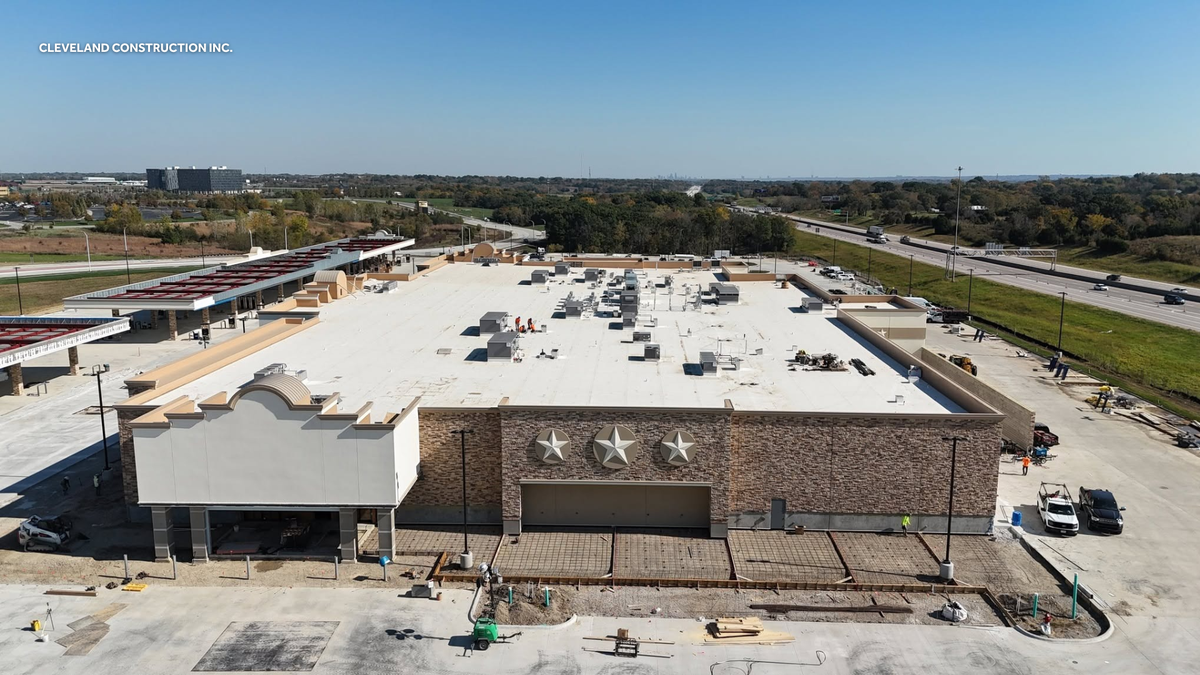
Buc-ee’s Kansas City construction exterior nearly complete
The landscape at 601 Village West Parkway in Kansas City, Kansas, is undergoing a visible transformation as the...

How a Viral Ad Turned a Mississippi Senate Race Into a High-Stakes Battleground
A 28-second viral advertisement featuring sharp humor and profanity has turned Mississippi’s Senate race into a dead heat,...