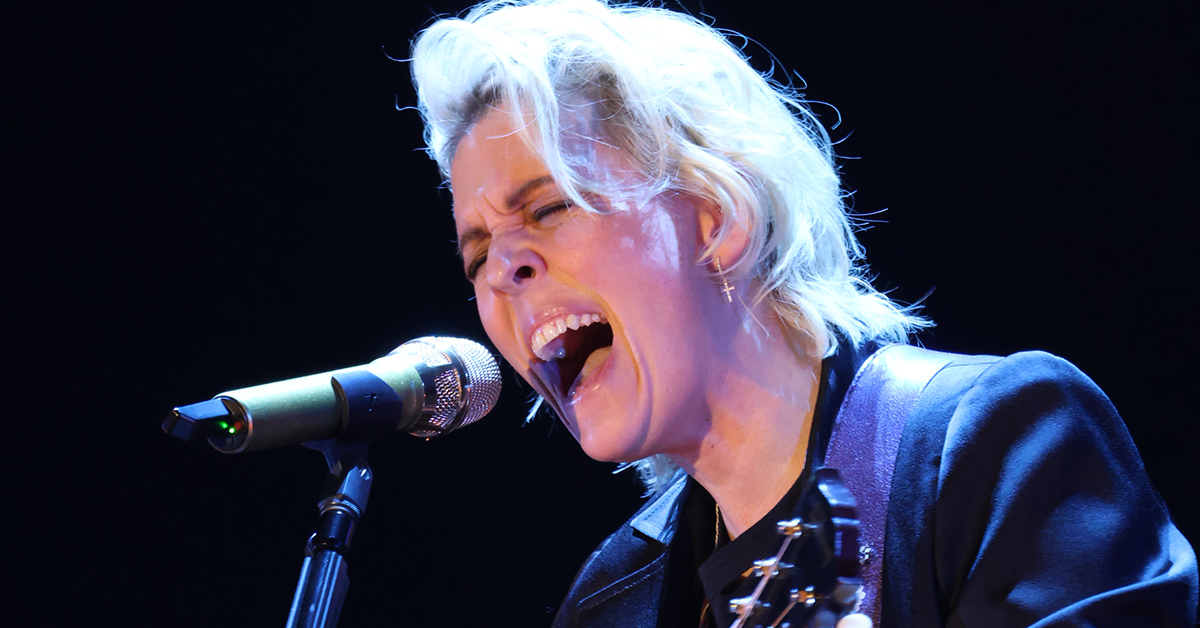
The High-Wire Act at Revolution Hall
Brandi Carlile has spent the last year playing to packed arenas, but on Thursday night in Portland, she chose to dismantle the safety net of high-production tours. As reported by RIFF Magazine, the 11-time Grammy winner kicked off her “Burn the Setlist” tour at Revolution Hall, stripping away the lights, the full band, and even the pre-planned song orders that define modern stadium shows.
Brandi Carlile is handing over the setlist. Her new 15-date “Burn the Setlist” theater tour will be entirely fan-requested and phone-free, with attendees receiving live recordings from their show afterward.https://t.co/3SAB0qDZTn
Instead of a polished, rehearsed performance, Carlile and longtime collaborators Phil and Tim Hanseroth offered two and a half hours of musical improvisation. The trio essentially built the concert in real-time, relying on fan requests shouted from the floor to dictate the night’s direction. It is a bold, risky format that prioritizes human connection over technological precision, effectively turning a professional concert into an intimate, high-stakes conversation.
Trading Stadiums for Uncertainty
The aesthetic of the evening was intentionally modest: three microphones, a keyboard, a kick drum, and a blank sheet of paper used to track the setlist. The stakes were high because the musicians, despite playing together for over two decades, openly grappled with songs they hadn’t touched in years. MusicRow reports that this tour, which runs through December 17, is specifically designed to allow the trio to take risks and even embrace the occasional mistake.
This “anything-can-happen” atmosphere was reinforced by a strict no-phone policy. Fans were required to secure their devices in Yondr pouches, a move Carlile noted created an intensity she hasn’t felt in decades. By removing the digital barrier between the performer and the audience, the show shifted from a spectacle to be captured into an experience to be inhabited.
The Anatomy of an Unscripted Set
The request-driven nature of the evening led to deep cuts like “Follow,” the opening track from her 2005 debut, and spontaneous stories about the band’s early, leaner years. Carlile’s storytelling remained as central as her music, covering everything from the origin of “Josephine”—inspired by a tour stop in Oregon while riding in a bus driven by a monster truck driver—to a humorous, disastrous attempt at performing Elton John for Joni Mitchell.
The “So What?” for the audience is clear: this is not a tour for those seeking a greatest-hits production. It is a masterclass in musical vulnerability. When the trio struggled to remember the chord progression for their Grammy-winning “Bring My Flowers Now,” the audience didn’t lose interest; they watched as the musicians hummed, consulted a teleprompter, and eventually clicked back into sync. It provided a rare, unvarnished look at the labor behind the songwriting.
The Economic and Emotional Stakes
While the tour format is experimental, it serves as a response to the hyper-produced, static nature of modern arena concerts. By forcing themselves to relearn their own catalog on stage, Carlile and the Hanseroth twins are challenging the industry standard of perfection. Critics of such intimate, stripped-back formats often point to the potential for inconsistency, but for the fans in Portland, the unpredictability was the primary draw. It is a reminder that even for an established headliner, the most powerful tool in the room is often just a voice and a shared moment of uncertainty.
As the tour continues through Tucson, Milwaukee, Minneapolis, and Kansas City, the question remains how the specific chemistry of these rooms will influence the setlists. Carlile has promised that attendees will receive a download of their specific show, with her personally assisting in the mastering process. For those who secured tickets, the value isn’t just in the music—it’s in the unique, unrepeatable nature of the night, a deliberate pivot away from the scalable, cookie-cutter touring model that has dominated the music industry for years.
Worth a look
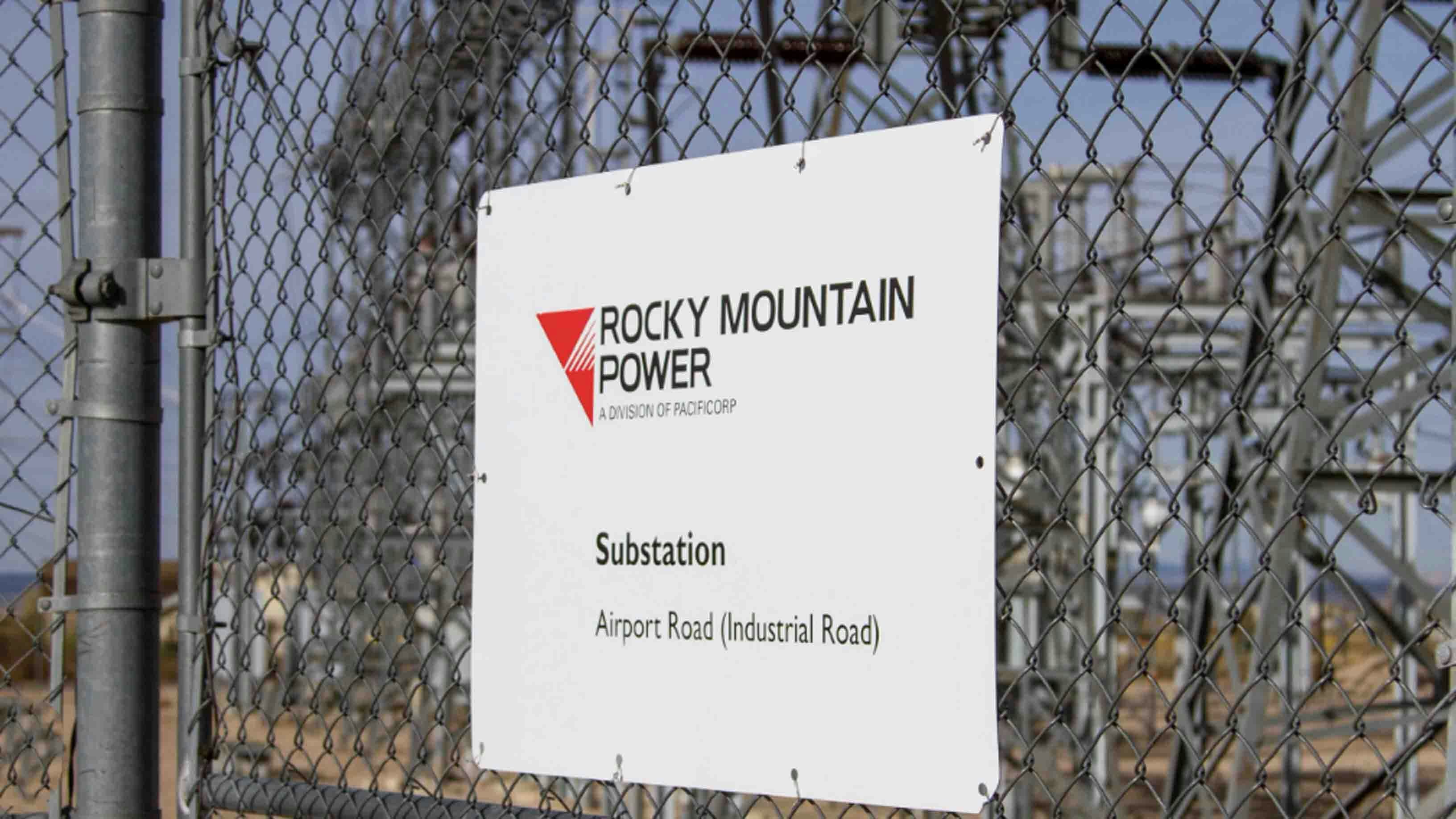
Wyoming commission probes Rocky Mountain Power over electricity requests
Wyoming Public Service Commission Launches Probe into Rocky Mountain Power The Wyoming Public Service Commission has unanimously voted...

Charleston Mayor says James Island road projects start after tax vote
Roadwork on James Island Shifts Into High Gear Following Tax Vote For residents of James Island, the daily...

Virginia Air & Space Science Center Returns to Hollywood IMAX Films
For the first time in nearly a decade, the largest IMAX screen in Hampton Roads is returning to...

Utah vs. BYU Kickoff Time and Details for the Holy War on Nov. 7
The highly anticipated "Holy War" between the No. 4 Utah Utes and No. 8 BYU Cougars is scheduled...