Tracing the Emerald Coastlines of the American Landscape
Ireland’s reputation for rolling green hills, jagged coastal cliffs, and ancient stone-walled pastures is a specific aesthetic that usually requires a trans-Atlantic flight. Yet, as noted in a recent report by World Atlas, several American towns offer a striking, if unexpected, architectural and topographical mirror to the Irish countryside. For travelers and those interested in the preservation of rural vistas, these locations serve as a reminder of how geography and human history—specifically agricultural land use—can converge to create a familiar sense of place thousands of miles from the source.
The Stone-Walled Pastures of Rhode Island
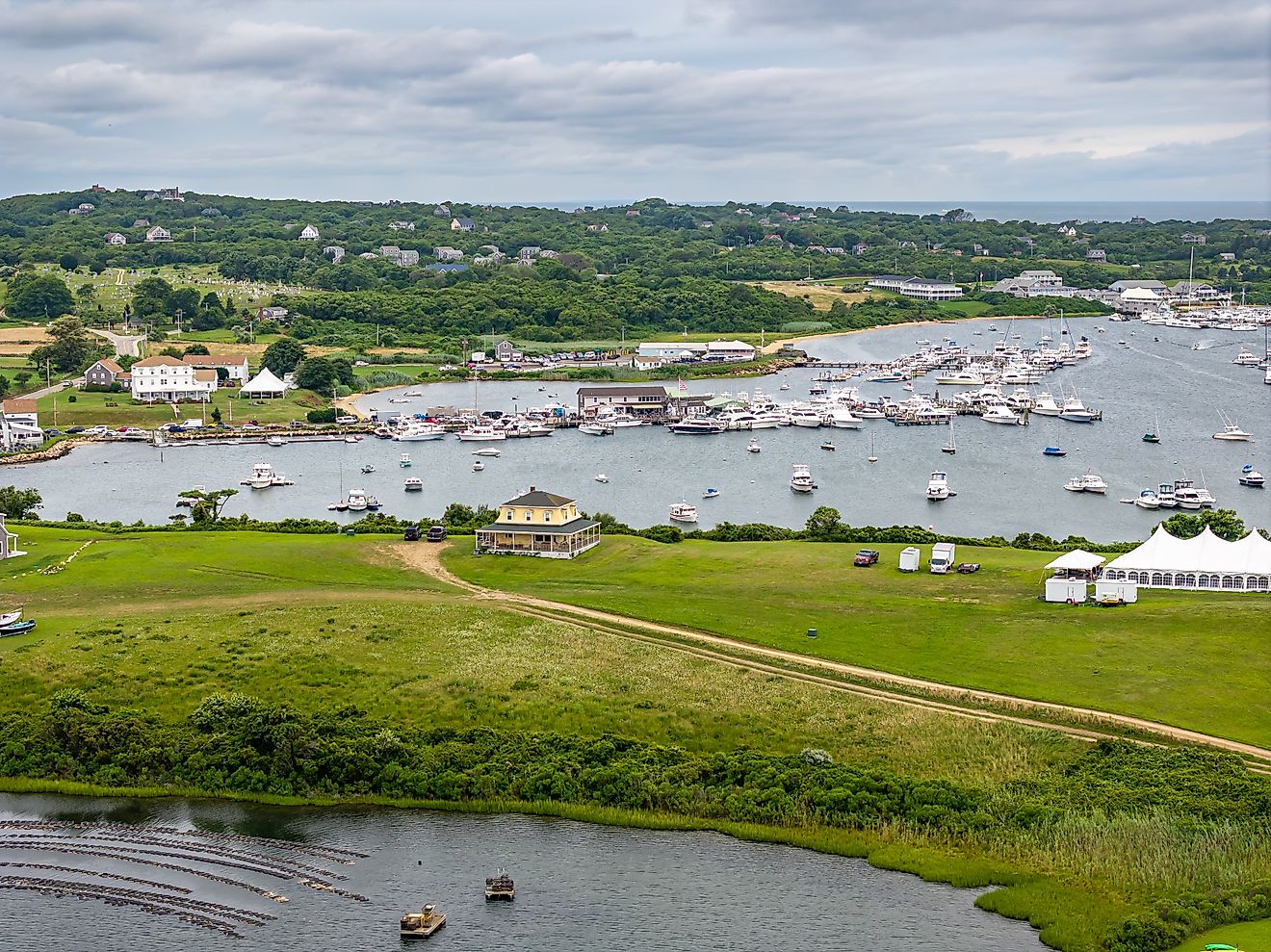
New Shoreham, which encompasses the entirety of Block Island, serves as perhaps the most immediate parallel. Visitors arriving at Old Harbor often find the transition from ferry landing to rural road abrupt. Once you move toward the island’s interior, the landscape shifts into a patchwork of low stone walls dividing open, undulating fields. These field patterns bear a distinct resemblance to the Aran Islands, particularly in areas where conservation efforts have kept the land free from modern development.
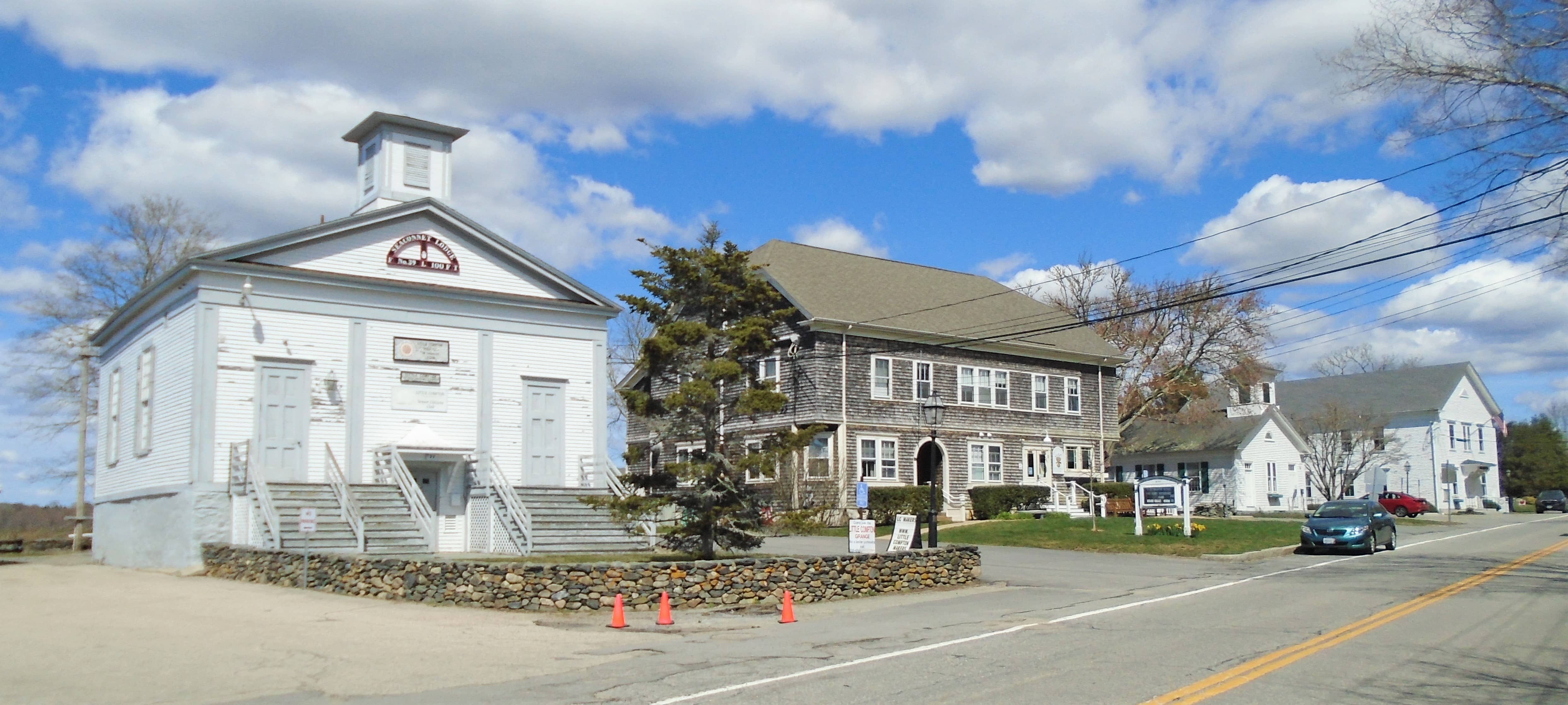
Not far from the mainland, Little Compton offers a similar, albeit more accessible, version of this rural Irish look. Along West Main Road, the stone walls are not merely decorative; they define the actual boundaries of working farmland that slopes toward the Sakonnet River. The layout of these fields, with farm buildings set well apart from the coastal edge, creates a visual rhythm that feels distinctly European. At the Goosewing Beach Preserve, the barrier beach separating the ocean from Quicksand Pond provides a coastal meadow setting that mirrors the rugged edges of western Ireland.
Coastal Farming and the New England Hillside
In Massachusetts, the town of Chilmark on Martha’s Vineyard provides a different kind of Irish echo. The Middle Road area is defined by hilly farmland and stone boundaries that follow the natural slope of the terrain. The local chamber of commerce has long identified these specific farm views as a core part of the island’s character, as the open pastures allow for clear lines of sight to the Atlantic. While the fishing village of Menemsha offers a working waterfront, the strongest visual link to Ireland remains in the high, open fields of the interior.
Further out, the island of Cuttyhunk—part of the town of Gosnold—presents a more isolated, exposed version of this landscape. With its low vegetation and prominent, grass-covered slopes, the island mimics the smaller offshore islands of the Irish coast. The resemblance is bolstered by the presence of stone walls lining older paths near the village, though the architecture remains firmly rooted in New England traditions.
The California Bluffs and the Atlantic Shore
On the opposite side of the country, Mendocino, California, offers a different interpretation of the Irish coastal experience. Here, the landscape is defined by grassy bluffs that rise sharply above the Pacific. The Mendocino Headlands State Park surrounds the village, allowing residents and visitors to walk directly from the Victorian-era streets onto cliffs that overlook rocky coves. During the wetter months, when the grass turns a deep, vibrant green, the proximity of the village to the open ocean creates a scene that feels like a West Coast iteration of a County Clare settlement.
Further south, the Point Arena-Stornetta Public Lands offer a more rugged, undeveloped version of this coastal scenery. Managed by the Bureau of Land Management, these lands feature eight miles of marked paths that run along the cliff edges, interrupted by sea arches and detached rocks. Because the foreground remains largely free of development, the view across the grasslands to the ocean is unencumbered. The presence of the Point Arena Lighthouse provides a singular, pale landmark that draws the eye toward the horizon, much like the remote lighthouses that dot the Irish Atlantic Way. You can find more details on the terrain and trail accessibility through the official Bureau of Land Management visitor guide.
The Economic Reality of Preserved Vistas
While these towns provide a visual escape, the preservation of these landscapes is rarely accidental. The open fields of Block Island and the coastal meadows of Little Compton are often the result of deliberate land-use policies and agricultural conservation easements. These protections prevent the type of dense residential development that typically consumes coastal land, keeping the “Irish” look of the region intact for the public.
However, this preservation creates a tension between the aesthetic value of open space and the economic pressures of local housing markets. By limiting development to maintain rural character, these towns often face high barriers to entry, which can lead to a demographic shift where only those with significant capital can afford to maintain the very farms that create the scenery. It is a classic land-use paradox: the more a landscape is preserved for its beauty, the more exclusive it becomes for the people living within it.
Whether one is exploring the fog-swept bluffs of Mendocino or the stone-walled lanes of Little Compton, the experience is defined by the interaction between the sea and the soil. These towns remain some of the few places in the United States where the geography feels less like a product of modern urban planning and more like a remnant of a slower, agrarian past.
Worth a look

Jennifer Christine Pledger faces charges after Iowa postal shooting
A Targeted Attack at the Des Moines Sorting Center The quiet routine of the regional postal sorting facility...

Pritzker Says Illinois Could Vote on Chicago Bears Stadium Legislation This Fall
Illinois Governor JB Pritzker signaled a significant shift in the state’s high-stakes pursuit of a new home for...

Boise Fire and Idaho National Guard Train for Hoist Rescues
Boise Fire and Idaho National Guard Synchronize Aerial Rescue Tactics On November 3, 2026, the Boise Fire Department’s...

The Honolulu City Council has selected Councilmember Tyler Dos Santos-Tam as its new chair, marking
Tyler Dos Santos-Tam to Lead Honolulu City Council The Honolulu City Council has selected Councilmember Tyler Dos Santos-Tam...