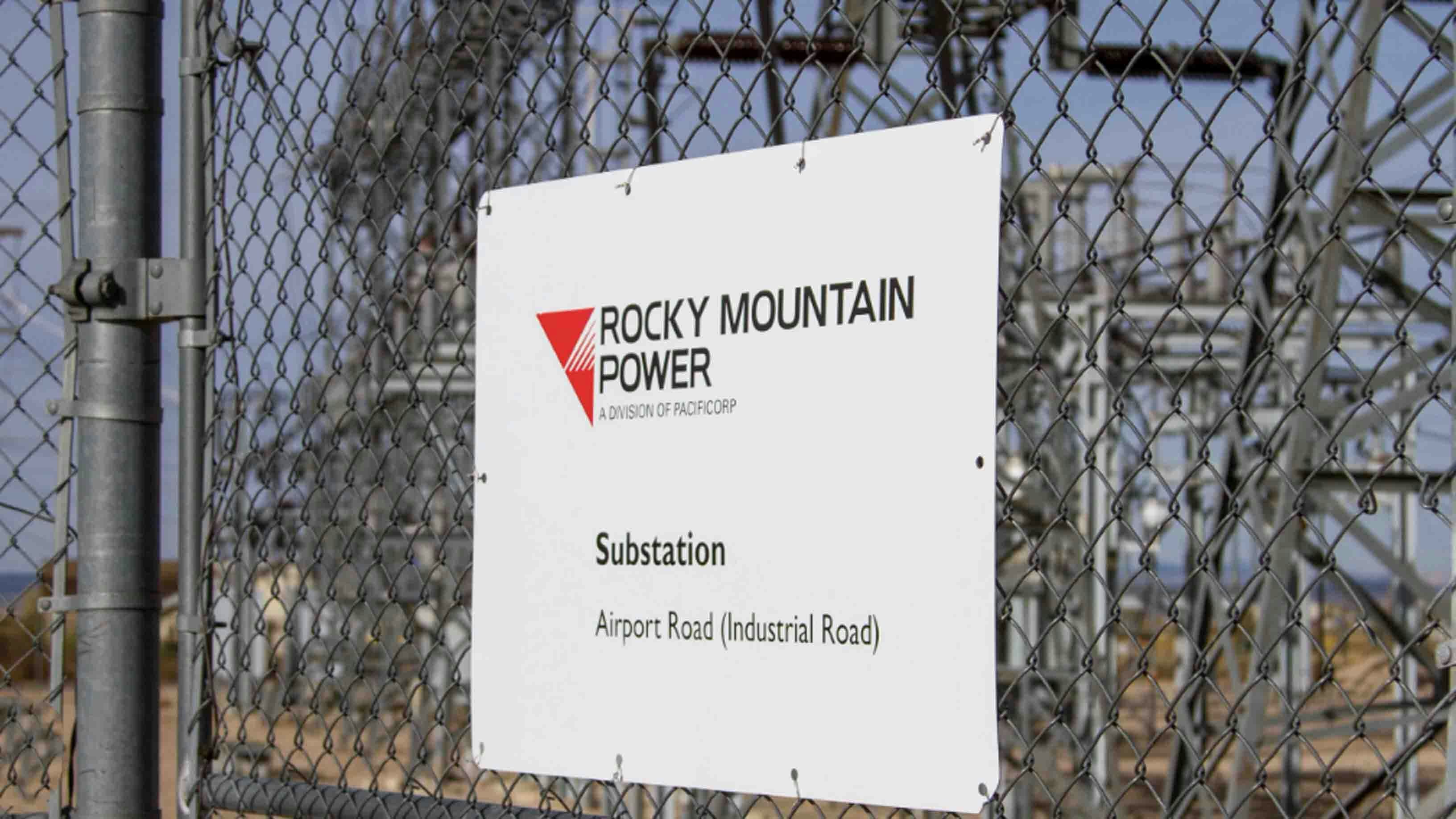
Wyoming Public Service Commission Launches Probe into Rocky Mountain Power
The Wyoming Public Service Commission has unanimously voted to open an investigation into Rocky Mountain Power, following persistent allegations that the utility has been slow or unwilling to meet requests for significant new electrical capacity. The three-member commission, which is charged with ensuring that monopoly utilities provide reliable and cost-effective service, moved to direct the company to provide relevant information regarding its handling of power requests dating back to January 2022.
As reported by WyoFile, the Oct. 29 vote comes as the state grapples with a surge in demand for electricity, largely driven by the expansion of artificial intelligence computing and data center development. For many, the utility’s response to these requests has become a point of friction, with some industries arguing that the current wait times are incompatible with modern business requirements.
The Pressure of Large-Scale Power Requests
The scale of the demand is substantial. According to data provided by Rocky Mountain Power, the company has evaluated approximately 4,300 megawatts-worth of “large load” requests—defined as power demands exceeding 20 megawatts—over the past decade. To put that in perspective, a single megawatt can typically power about 750 homes. While the utility notes it has studied 83 such requests and successfully served 24 of them, totaling 258 megawatts, the backlog remains a subject of legislative scrutiny.
The trona and soda ash industry, a cornerstone of the Wyoming economy, has been particularly vocal. Jody Levin, a spokeswoman for the industry, testified before a panel of lawmakers in May that expansion plans were stalling because the utility indicated it would take seven years to provide the necessary power. “Seven years is a de facto no,” Levin stated. “That isn’t a reasonable timeframe.”
The Wyoming Public Service Commission launched an investigation last week into Rocky Mountain Power and whether the utility has been fair to its industrial customers. “Unnecessarily burdensome and punitive,” is how RMP's president described the probe.https://t.co/OscwYXSXoj
Utility Defense and Regulatory Constraints
Rocky Mountain Power President Dick Garlish has pushed back against the characterization that the utility is dodging its responsibilities. During the commission meeting, Garlish argued that the company must act as a prudent steward of the grid, balancing the needs of new applicants with the financial protection of existing customers.
“We’re not going to do any deal for (just) any reason,” Garlish told the commission. He explained that many requests come from “entrepreneurial” entities whose projects may lack the necessary financing or permitting to reach fruition. By avoiding speculative investments, the utility aims to ensure that the costs of infrastructure upgrades do not unfairly fall on the backs of current ratepayers. Garlish further noted that the company is currently investing $80 million in initiatives to bolster its capacity to meet rising demand.
The Question of Formal Complaints
A point of contention during the commission’s deliberations was the lack of formal complaints filed against the utility. Garlish argued that the investigation feels “unnecessarily burdensome and punitive” given that no customers have initiated a formal legal grievance.
However, legal counsel for the Wyoming Industrial Energy Consumers—a group representing oil, natural gas, and industrial customers—suggested that the absence of formal complaints is a matter of practical necessity rather than satisfaction. Austin Jensen, an attorney for the group, told the commission that industrial clients are often beholden to the incumbent utility. “It is not good for business to call your only option before the commission,” Jensen said, highlighting the delicate power dynamic inherent in a regulated monopoly.
Regulatory Oversight and Future Implications
While the investigation is not a formal condemnation of the utility’s conduct, Commission Deputy Chairman Chris Petrie emphasized that the sheer volume of public and industry feedback necessitated a deeper look. “I think that this situation, because of the persistent complaints in the public about the company’s handling of such matters, requires us to resort to this investigation process in order to obtain assurance,” Petrie stated.
The commission is currently finalizing the official order, and it remains unclear what potential remedies or changes to utility obligations might emerge if the investigation reveals systemic shortcomings. Meanwhile, the Wyoming Mining Association, through Executive Director Travis Deti, has indicated that it will be monitoring the process closely, as the availability of reliable, timely power remains a critical factor for the state’s industrial future.
As the state considers whether to tweak regulations to potentially allow for third-party power producers, the outcome of this investigation may prove central to how Wyoming manages the intersection of rapid industrial growth and the limitations of its existing electrical infrastructure.
Worth a look

Bismarck mother publishes coloring book to help families with cancer
Bismarck mother creates resource for families navigating cancer treatment Two years after concluding her final round of breast...

Why I Refused to Move Back to New York for Love
The Boundary That Built a Relationship In a recent column for the Los Angeles Times, writer and journalist...

7 essential 1970s NYC noir books and films according to Crime Reads
The 1970s New York City Noir Canon The 1970s in New York City remains a distinct epoch in...

New Mexico Mission of Mercy Offers Free Dental Care at Tingley Coliseum
At 5:15 a.m. on Friday, the doors of the Tingley Coliseum in Albuquerque swung open to reveal a...