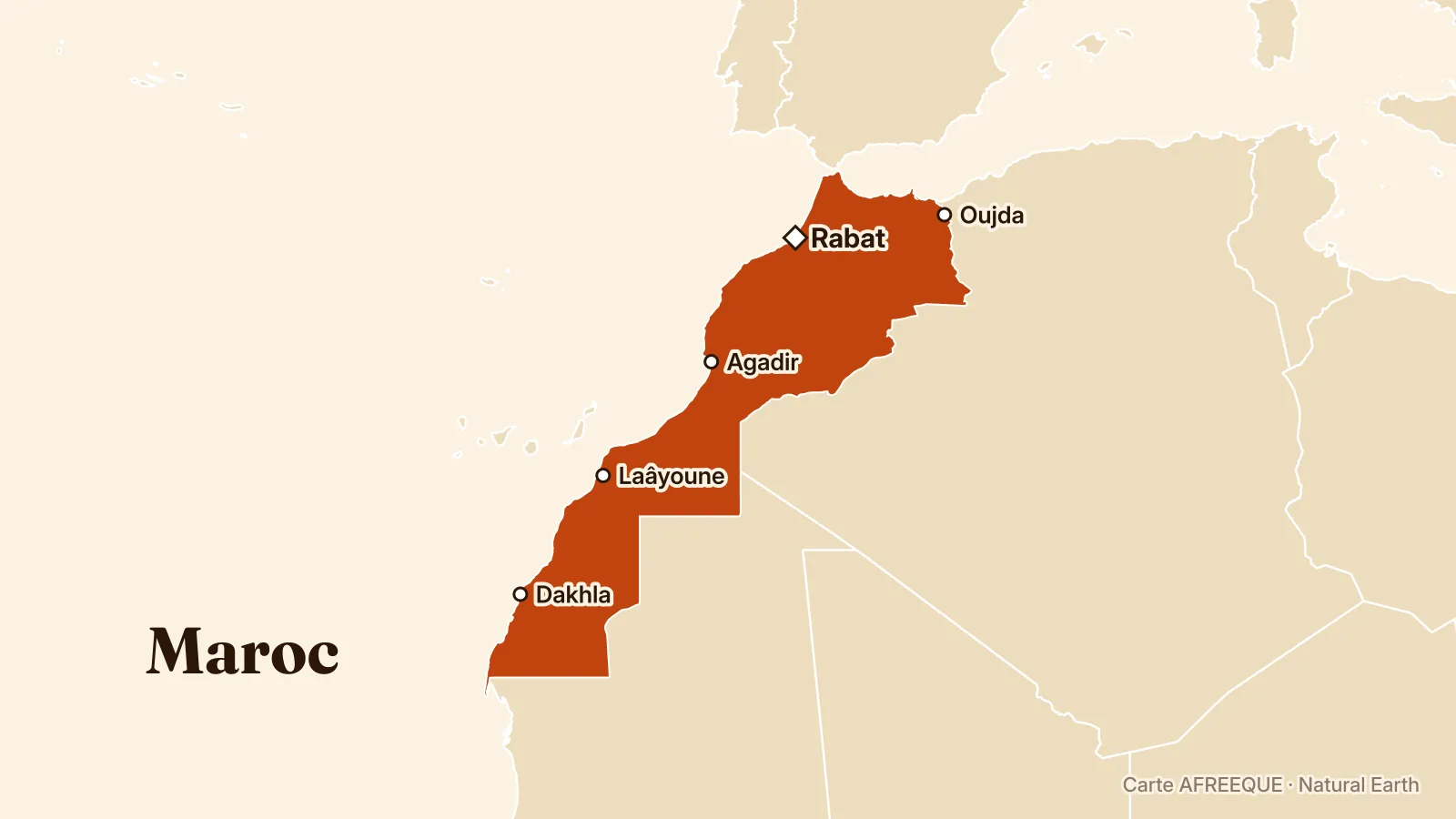
Burundi reaffirmed its backing for Morocco’s territorial integrity and autonomy plan for Western Sahara on Thursday, 26 November 2026, in a joint communiqué issued after talks in Rabat.
- Burundi endorses Morocco’s autonomy plan as the only credible solution for Western Sahara.
- The position was recorded in a joint statement following ministerial talks in Rabat on 26 November 2026.
- Both countries pledged to implement their 2025–2027 cooperation roadmap and Joint Commission agreements.
- They also agreed to coordinate candidacies and promote a shared vision for a united, sovereign Africa.
Morocco’s Minister of Foreign Affairs, African Cooperation and Moroccan Expatriates, Nasser Bourita, hosted his Burundian counterpart, Édouard Bizimana, for bilateral discussions that produced the communiqué.
Bizimana, who serves as Burundi’s Minister of Foreign Affairs, Regional Integration and Development Cooperation, reiterated his government’s longstanding position that the autonomy proposal under Moroccan sovereignty remains the sole realistic path to resolving the regional dispute. The statement adds another sub‑Saharan African government to the list of states publicly backing Morocco’s plan.
Beyond the Sahara dossier, the two ministers welcomed the convergence of their views on continental issues. They committed to strengthening coordination within regional and international fora. They pledged mutual support for each other’s candidatures and endorsed a common vision for an Africa that is united, integrated, innovative and sovereign.

Bourita and Bizimana also highlighted the success of Burundi’s rotating presidency of the African Union in 2026. They agreed to maintain close coordination ahead of upcoming continental and global deadlines.
Bilateral roadmap and private-sector push
On the bilateral track, both sides stressed the need to operationalise the agreements reached during the first session of the Morocco–Burundi Joint Cooperation Commission. They also aimed to advance the commitments in the 2025–2027 Cooperation Roadmap.
They called for greater private‑sector involvement and the use of human capital and natural resources in both countries. This would give new momentum to a mutually beneficial partnership. The ministers described the relationship as exemplary. They reaffirmed their determination to develop, intensify and diversify cooperation across priority sectors.
The Rabat meeting follows a pattern of diplomatic engagement. Morocco has sought to broaden international support for its autonomy proposal. Burundi’s renewed endorsement, formalised in a joint communiqué, shows a deepening political alignment. It also shows progress in implementing the joint commission’s decisions and the multi‑year roadmap.
Western Sahara Dispute Context
For readers following the Western Sahara dispute, the joint communiqué is a documented diplomatic position. It is not a change in law or policy.
Burundi backs Morocco’s stance
This position was expressed during talks in Rabat. Morocco’s Minister of Foreign Affairs, Nasser Bourita, and his Burundian counterpart, Édouard Bizimana, reaffirmed Burundi’s backing for the autonomy plan under Moroccan sovereignty.
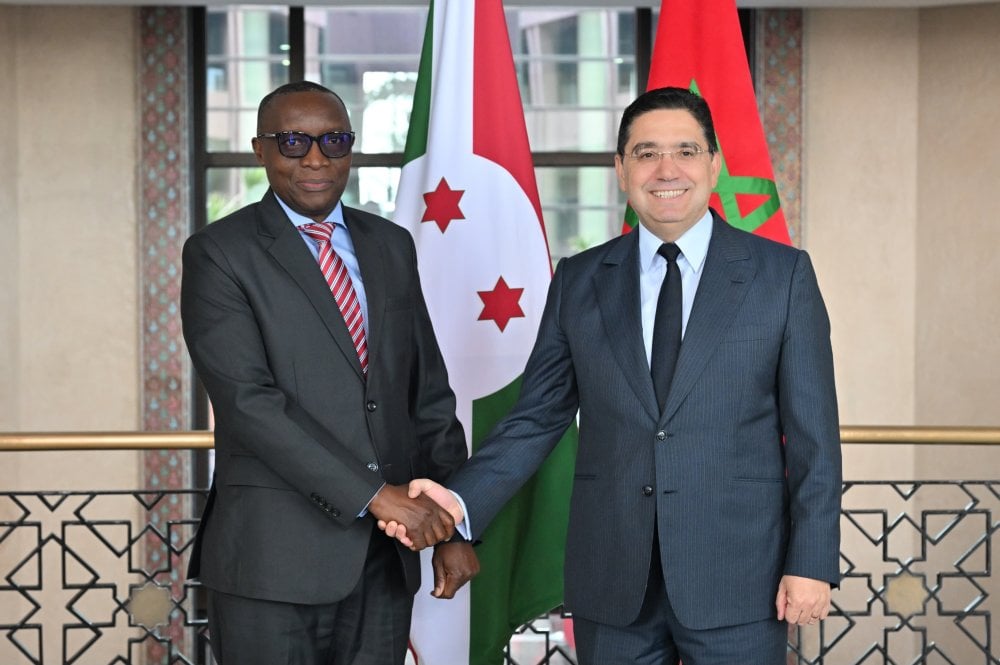
The Burundian foreign minister described the autonomy plan as the only credible and realistic solution to resolve the regional dispute. The statement was issued after the ministerial talks in the Moroccan capital. It adds another sub-Saharan African government to the list of states backing Morocco’s plan.
Burundi’s political significance is underscored by its role in African unity, as demonstrated during its 2026 rotating presidency of the African Union, where it championed a shared vision for a united, sovereign continent.
Geographically, as a densely populated, landlocked nation in East Africa bordered by Rwanda, Tanzania, and the Democratic Republic of the Congo, it serves as a strategic crossroads in the Great Lakes region, with Lake Tanganyika forming its southwestern boundary.
Official sources and reporting
The reporting on this story was compiled by AFREEQUE from articles published by Visionguinee, MAP, L’Information, Le Matin, Maroc Diplomatique and MyJoyOnline. AFREEQUE has followed the news from Africa since 2014. The article includes information reported by MyJoyOnline. The Views, Comments, Opinions, Contributions and Statements made by Readers and Contributors on platforms like MyJoyOnline do not necessarily represent the views or policy of Multimedia Group Limited.

US Military Repels Suspected Drones at RAF Lakenheath
Suspected Iranian drones swarmed RAF Lakenheath, prompting a shelter-in-place alert for U.S. personnel. The U.S.

ITLOS Rejects Argentina Bid to Halt Falklands Oil Drilling
An international tribunal in Hamburg voted 18–3 on Saturday to reject Argentina's request for emergency measures that would...

Norse Atlantic’s Norwegian Unit Files for Bankruptcy
Sustaining the business required hundreds of millions of additional dollars of liquidity that Spirit simply does not have...

Kenyan Court Convicts Paul Mackenzie on 123 Manslaughter Counts
A Kenyan court convicted doomsday cult leader Paul Mackenzie on Friday of manslaughter in the deaths of 123...