
A jury hears evidence in the fatal Waterford e-scooter collision trial
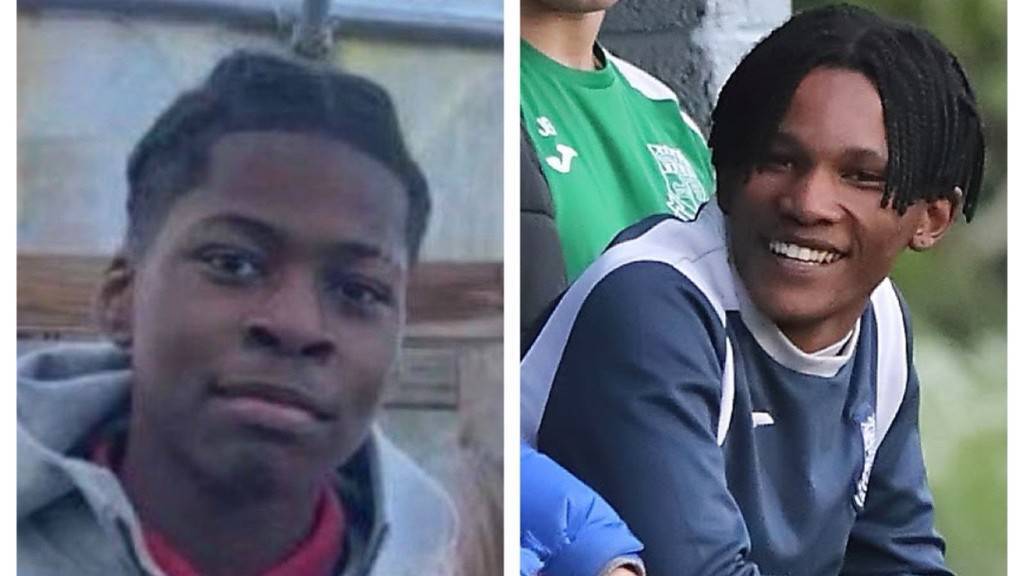
A 43-year-old bus driver has gone on trial at Waterford Circuit Criminal Court facing charges of dangerous driving causing the deaths of two teenagers. The legal proceedings center on a collision that occurred in the early hours of June 27, 2024, on the Cork Road in Waterford city, an incident that claimed the lives of 15-year-old Gilbert Collins and 17-year-old Avuzwa Sampo, rte.ie reported.
The case brings to light a tragic intersection of road safety, visibility, and speed. At the heart of the prosecution’s argument is whether the manner of the driving at the time of the impact met the legal threshold for dangerous driving. Adrian Doyle, of Ard Glas, Abbey Road, Ferrybank, has pleaded not guilty to the charges, according to reports from waterford-news.ie and the Irish Examiner.
This trial is more than a local legal matter; it touches on the growing complexities of urban mobility as e-scooters share increasingly crowded or poorly lit roads with heavy vehicles. For the community in Waterford, the loss of two young lives—who had reportedly been at a local gym just prior to the accident—has left a profound void.
Speed and visibility at the center of the prosecution case
The prosecution’s case relies heavily on technical data to reconstruct the moments leading up to the crash. Niall Storan BL, opening the case for the prosecution, informed the jury of nine men and three women that tachograph data from the JJ Kavanagh bus indicates the vehicle was traveling at approximately 76km/h to 77km/h at the time of the collision. This speed significantly exceeded the 50km/h limit designated for that stretch of the R680, the Irish Examiner noted.

The circumstances surrounding the teenagers’ visibility have also been a focal point of the evidence. The prosecution stated that the two youths were traveling on a single black e-scooter in the same direction as the bus. However, the scooter lacked a rear light, and both Gilbert Collins and Avuzwa Sampo were wearing dark clothing. While the road conditions were dry, forensic collision investigator Garda Maurice Mahon testified that visibility was poor in certain areas and streetlighting on the road was inadequate, waterford-news.ie reported.
The physical aftermath of the impact was severe. Evidence presented to the court described damage to the front center and the undercarriage of the bus, consistent with the vehicle traveling over the e-scooter. The e-scooter’s main stem was found snapped, and the vehicle was located 41 meters away from the initial point of impact, according to waterford-news.ie.
The defense and the driver’s account
While the prosecution emphasizes speed and the lack of visibility, the defense presents a different perspective on the driver’s ability to react. Mr. Doyle told gardaí at the scene that he had just begun his shift, which started at 1:50 am, and was heading toward his first pickup at the South East Technological University. He stated that the teenagers appeared suddenly in his view and he simply did not have time to react, rte.ie reported.

In a point of contention regarding the mechanics of the crash, waterford-news.ie reported that Mr. Doyle told gardaí he had attempted to press the brake, but it did not work, and that he pressed it again after the collision had already occurred. This stands in contrast to the testimony of Garda Maurice Mahon, who stated there was no physical evidence of any pre-impact braking.
It is also a matter of record that Mr. Doyle passed both roadside breathalyzer and drug tests following the incident, testing negative for any influence of alcohol or drugs, as confirmed by both rte.ie and the Irish Examiner. Garda Ray Barry, who met Mr. Doyle at the scene, described the driver as being in a “highly distressed state.”
The technical evidence used by the state
The jury is expected to weigh a variety of forensic and digital elements to determine liability. The prosecution is utilizing a combination of the bus’s own on-board camera, tachograph data, and CCTV and dashcam footage from the surrounding locality to build a timeline of the 2:00 am collision.
The following table summarizes the key technical and situational factors presented during the opening of the trial:
| Factor | Details Provided in Court |
|---|---|
| Recorded Bus Speed | 76km/h – 77km/h |
| Posted Speed Limit | 50km/h |
| E-Scooter Equipment | No rear light; dark clothing worn by occupants |
| Road Conditions | Dry; poor streetlighting; visibility was poor |
| Braking Evidence | No evidence of pre-impact braking found by forensic investigators |
The trial, which is expected to last three to four days, continues before Judge Eugene O’Kelly. The investigation has already processed aerial drone images and maps of the Cork Road to provide the jury with a spatial understanding of how the bus and the scooter moved toward the center line just 1.3 seconds before the impact, waterford-news.ie reported.
As the legal process moves forward, the central question remains whether the driver’s speed and the manner of his operation of the coach constituted dangerous driving, or if the lack of lighting and visibility created a situation where a collision was unavoidable regardless of speed. The court’s decision will ultimately hinge on the interpretation of the tachograph data against the testimonies of the responding gardaí.
Related reading

Government agencies across the Philippines are mobilizing to combat the intensifying effects of a
Government agencies across the Philippines are mobilizing to combat the intensifying effects of a "very strong" El Niño,...
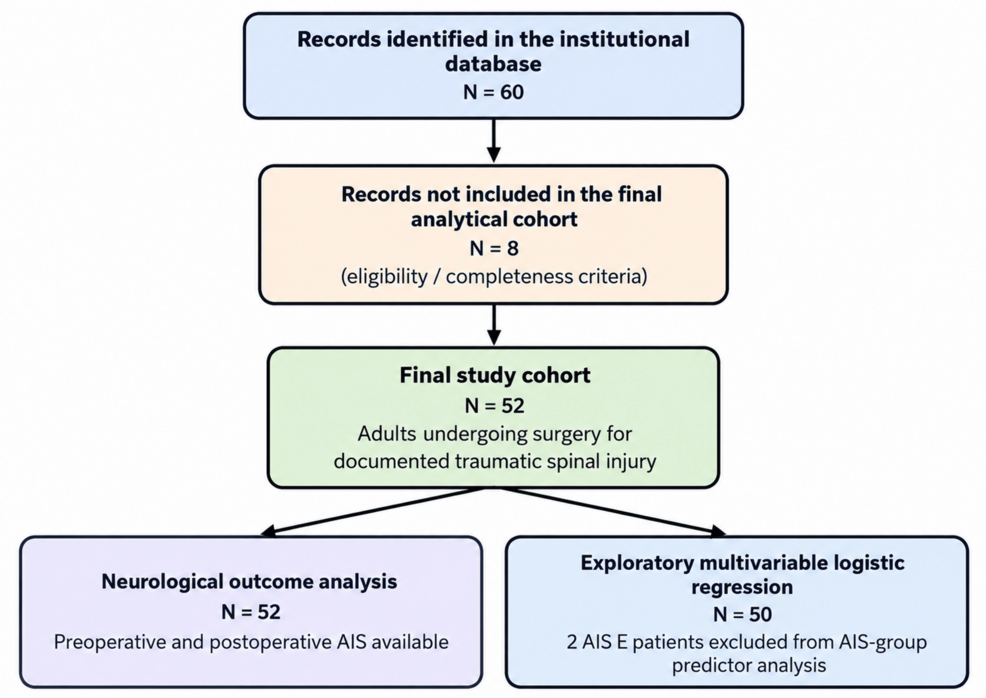
Early Postoperative AIS Grade Changes Following Surgical Treatment of Traumatic Spinal Cord Injury
Nearly half of surgical spinal injury patients show early neurological improvement For many adults facing the immediate aftermath...
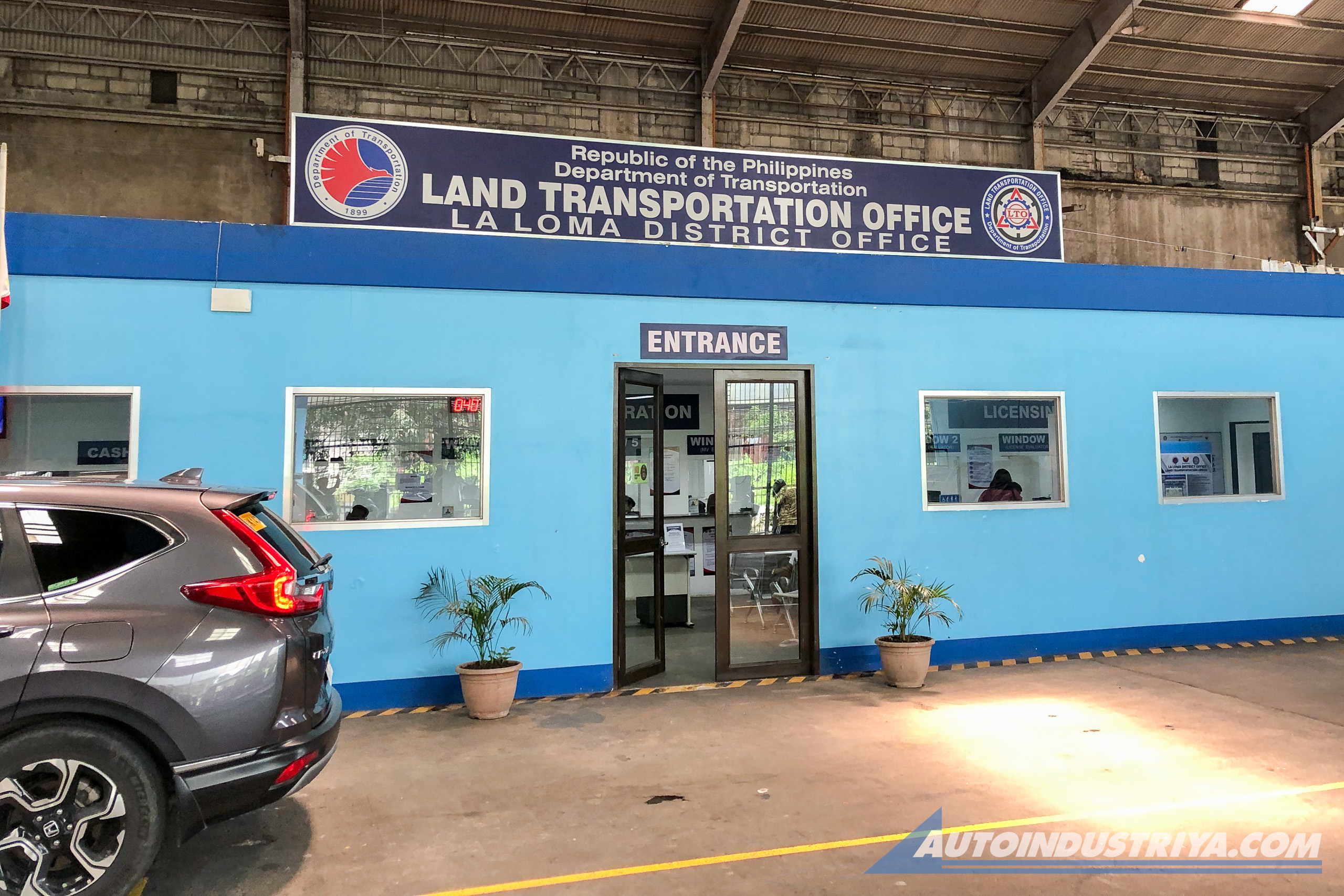
LTO Ends Extension of Expired Licenses and Sets Renewal Schedule
LTO ends temporary extensions for expired licenses and registrations The period of grace for motorists with expired documentation...

NHS Trial Launches Multi-Cancer Blood Tests in 200 GP Surgeries
New blood tests for multiple cancers to begin trial in English GP surgeries More than 20,000 patients in...