
Government agencies across the Philippines are mobilizing to combat the intensifying effects of a “very strong” El Niño, with regional councils in Central Luzon and Cebu officially reactivating specialized task forces to manage the looming drought. The move follows updated climate modeling from the Department of Science and Technology–Philippine Atmospheric, Geophysical and Astronomical Services Administration (DOST-PAGASA), which indicates the weather phenomenon could persist through the first half of 2027.
The response is not limited to a single region; it is a coordinated effort to protect critical infrastructure and livelihoods from prolonged dry spells. In Central Luzon, the Regional Disaster Risk Reduction and Management Council (RDRRMC) has reconstituted its Regional Task Force El Niño (RTFEN) to oversee systematic monitoring and inter-agency response. Simultaneously, the Cebu provincial government has established a “Super El Niño Task Force” to address similar risks to the province’s water supply and agricultural output, as reported by SunStar Publishing Inc.
Central Luzon prioritizes inter-agency coordination
The reactivation of the RTFEN in Central Luzon was formalized through Resolution No. 04 during a special meeting on October 28, 2026. According to Assistant Secretary Cesar Idio, the RDRRMC Chairperson and Acting Regional Director of the Office of Civil Defense (OCD), the task force is designed to ensure that government interventions are not just implemented, but monitored effectively at the regional level.
Pinaiigting ng Regional Disaster Risk Reduction and Management Council (RDRRMC) 6 ang paghahanda sa inaasahang epekto ng El Niño sa Western Visayas. Sa isinagawang 3rd quarter Full Council Meeting ng RDRRMC-6 sa Roxas City, Capiz, tinalakay ng Regional Task Force El Niño ang mga… pic.twitter.com/PmmZkI0JKW
Under the new structure, OCD Region 3 will lead as the secretariat, while DOST Region 3 will serve as co-chair. The task force has divided its focus into five essential pillars to mitigate the impact on the population:
- Food Security: Led by the Department of Agriculture.
- Water Security: Managed by the Department of Environment and Natural Resources.
- Energy Security: Handled by the Department of Energy.
- Health: Directed by the Department of Health (DOH) Central Luzon Center for Health Development.
- Public Safety: Overseen by the Department of the Interior and Local Government and the Philippine National Police.
To maintain accountability, the resolution requires sectoral leads to submit weekly accomplishment reports to the OCD Region 3. These reports will be consolidated to provide a clear picture of how effectively the regional action plan is being executed.
Cebu prepares for prolonged drought impacts
While Central Luzon focuses on regional coordination, the province of Cebu is moving toward localized crisis management. Governor Pamela Baricuatro signed Executive Order No. 57 on October 26, 2026, creating a specialized task force to protect the province’s most vulnerable communities. Daily Tribune reports that the Cebu task force will be chaired by Retired Col. Dennis Francis V. Pastor, head of the Cebu Provincial Disaster Risk Reduction and Management Office (PDRRMO), with Provincial Administrator Joseph Felix Mari “Ace” Durano serving as vice chairperson.

The stakes in Cebu are high. The provincial government has warned that the intensification of El Niño could lead to severe rainfall deficits, water scarcity, and heat-related illnesses. The task force is mandated to identify high-risk barangays and coordinate emergency water deliveries and alternative water sources, prioritizing sanitation and health facilities. Cebu Daily News notes that the provincial government is already looking at ways to manage agricultural assistance and irrigation support to prevent massive losses in the fisheries and farming sectors.
The timeline for these threats is significant. Climate models cited by Philstar.com suggest the phenomenon may transition into a “very strong” phase between late 2026 and the first half of 2027. This extended window means that the current mobilization is not merely a temporary fix, but a long-term strategy for resource management.
Widespread dry spells threaten the Cordillera region
The impact of the dry season is also being felt in the northern highlands. The Cordillera RDRRMC has activated its own interagency task force as local weather patterns shift. According to Engr. Larry Esperanza of the PAGASA Baguio Synoptic Station, the region faces a tiered escalation of water shortages. All six Cordillera provinces, including Baguio City, are expected to experience a dry spell by the end of November 2026.
The situation is expected to worsen as the year ends. The Philippine Information Agency reports that by late December, Apayao will remain under a dry spell, while Abra, Benguet, Ifugao, Kalinga, and Mountain Province are projected to enter full drought conditions. This transition is defined by PAGASA as a move from a “dry spell”—two consecutive months of significantly below-normal rainfall—to a “drought,” which involves three consecutive months of such deficits.
By the period of January through April 2027, all provinces within the Cordillera region are forecasted to be under drought conditions. This regional data underscores the scale of the challenge facing the national government, which is operating under Executive Order No. 53, series of 2024, to update the Strategic El Niño National Action Plan.
The success of these various task forces depends on whether the transition from “preparedness” to “action” can happen fast enough to protect the agricultural sectors that form the backbone of these regional economies. As the weather models continue to trend toward intensification, the window for preventative water management and crop protection is narrowing.
Keep reading

Bus driver on trial over death of teenagers on e-scooter
A jury hears evidence in the fatal Waterford e-scooter collision trial A 43-year-old bus driver has gone on...
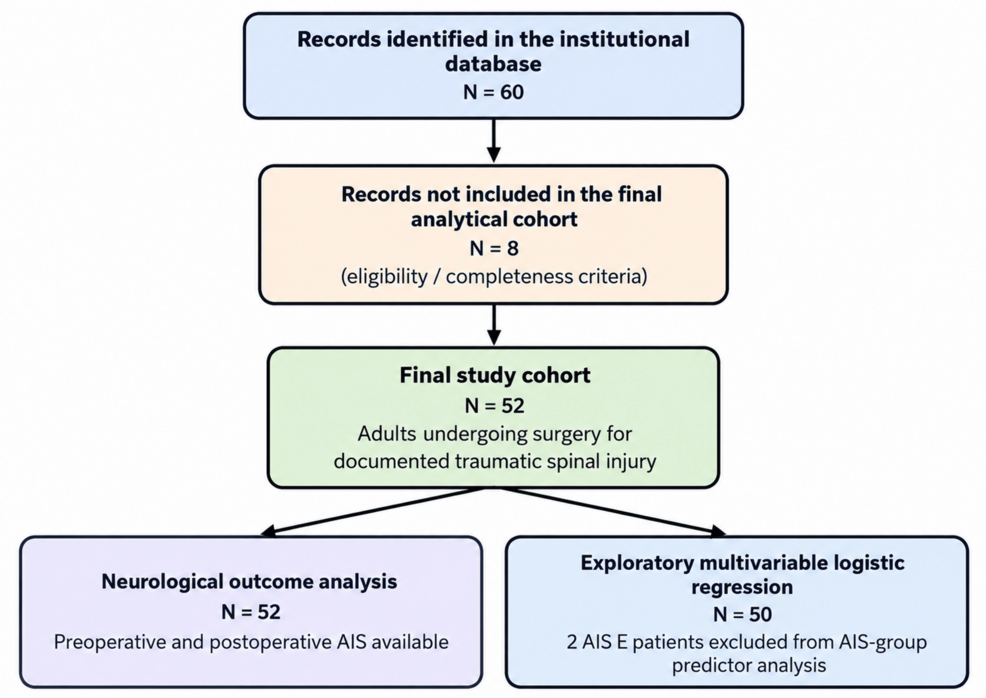
Early Postoperative AIS Grade Changes Following Surgical Treatment of Traumatic Spinal Cord Injury
Nearly half of surgical spinal injury patients show early neurological improvement For many adults facing the immediate aftermath...

LTO Ends Extension of Expired Licenses and Sets Renewal Schedule
LTO ends temporary extensions for expired licenses and registrations The period of grace for motorists with expired documentation...

NHS Trial Launches Multi-Cancer Blood Tests in 200 GP Surgeries
New blood tests for multiple cancers to begin trial in English GP surgeries More than 20,000 patients in...